



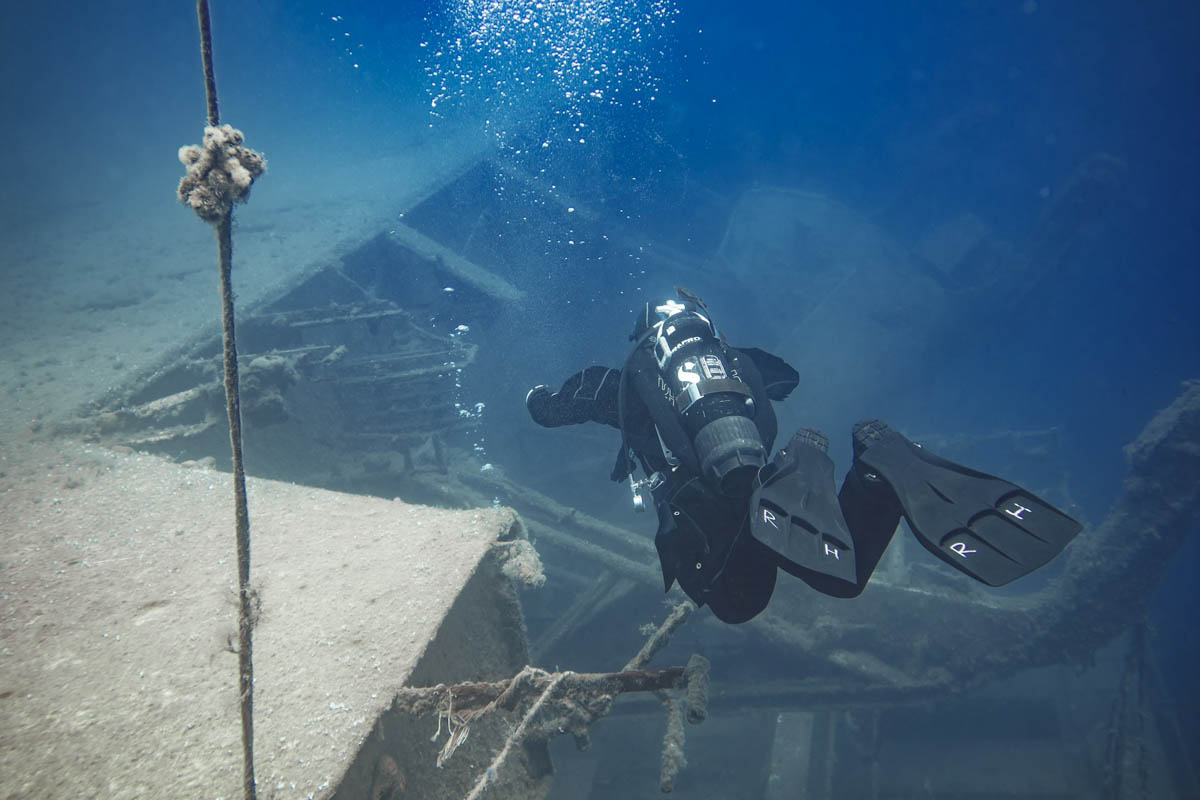

Cyprus is moving closer to introducing mandatory licensing for all recreational diving providers, as new legislation progresses through the country’s lawmaking process, signalling a significant shift for dive operators working in the region.
According to reporting from Cyprus Mail, the proposed bill aims to establish a formal regulatory framework that would require all dive centres and operators to be officially licensed, bringing the sector in line with international safety and training standards.

While the latest development may appear sudden, it is in fact the continuation of a policy direction that has been building for some time. Back in late 2025, Cyprus’ cabinet approved the foundations of the same legislation, outlining plans to regulate recreational diving services, introduce oversight, and close what officials described as a longstanding gap in the law.

At the centre of the proposed framework is a requirement for operators to comply with recognised international standards, including alignment with ISO certification for recreational diving service providers. This would place Cyprus alongside other destinations that have formalised operational and safety requirements for dive businesses, particularly in high-traffic tourism markets.
A Shift From Light Regulation to Structured Oversight
For years, Cyprus has been known for offering relatively accessible diving with limited centralised regulation compared to some other destinations. While this has helped support growth in dive tourism, it has also left inconsistencies in operational standards across the sector.

The new bill seeks to change that by introducing:
- Mandatory licensing for all recreational diving providers
- A national register of approved operators
- Requirements for certified instructors and structured training standards
- Enforcement mechanisms and penalties for non-compliance
This marks a clear transition from a largely open operating environment to a more structured, professionally regulated industry.
What It Means for Dive Operators and Travellers
For dive centres operating in Cyprus, the proposed legislation could bring both challenges and opportunities. Operators will likely face new administrative requirements and compliance costs, particularly if upgrades are needed to meet international standards.
However, regulation also has the potential to strengthen the destination’s reputation. For divers, particularly those travelling internationally, clearer standards and licensing can increase confidence in safety, training quality, and overall professionalism.
From a tourism perspective, the move aligns with Cyprus’ broader strategy to position itself as a high-quality, year-round diving destination, rather than relying solely on seasonal appeal.
Not a Sudden Change, But a Strategic Direction
What stands out in this development is not just the legislation itself, but the direction of travel. Cyprus is not reacting to a single incident or pressure point. Instead, it is steadily building a more structured framework for dive tourism as part of a wider effort to modernise and professionalise the sector.
The current bill represents the next step in that process. If passed and implemented, it will reshape how recreational diving is delivered across the country and could influence how other emerging dive destinations approach regulation in the future.
Comments