

A long-known underwater site in Guatemala has gained renewed scientific attention, with researchers confirming that the submerged ruins beneath Lake Atitlán represent a structured Maya settlement rather than isolated remains.
Often referred to in popular media as a “Maya Atlantis”, the site known as Samabaj has been the subject of archaeological interest for decades. However, new research published in the Journal of Maritime Archaeology, as reported by Greek Reporter, strengthens its classification as a cohesive, pre-Columbian settlement that was gradually submerged as water levels in the lake rose.
A Site Divers Have Known for Years
The story of Samabaj is not a sudden discovery. The site was first identified in the 1990s by diver Roberto Samayoa, who encountered stone structures beneath the surface of Lake Atitlán in Guatemala.
Since then, archaeologists have documented plazas, stairways, and ceremonial features spread across the lakebed, suggesting a once-thriving lakeside community that dates back to the Preclassic Maya period. Earlier reporting on the site’s discovery and significance, including coverage by Colombia One, highlights how long the location has been known within both diving and archaeological circles.
What has changed is the level of detail now available.
New Mapping Brings Greater Clarity
Recent fieldwork, including sonar mapping and underwater surveys conducted in 2022, has provided a far more complete picture of the site’s layout. Researchers were able to confirm that the structures form part of an organised settlement, rather than scattered architectural fragments, reinforcing conclusions outlined in the recent academic work referenced by Greek Reporter.
The findings also reinforce the idea that Samabaj was not destroyed by a sudden catastrophe, but instead submerged gradually due to natural changes in lake levels, likely linked to volcanic and geological activity in the region.
This distinction is important. While headlines have leaned toward dramatic comparisons with the mythical Atlantis, the scientific reality points to a more grounded, but no less fascinating, story of environmental change and adaptation.
Why the “Atlantis” Label Falls Short
The nickname “Maya Atlantis” has helped bring attention to the site, but it risks oversimplifying what is a significant archaeological landscape.
There is no connection to the legendary lost city described by Plato, and the site itself has been known and studied for decades. What is new is the confirmation of its scale, structure, and cultural importance.
For divers and underwater explorers, the real value lies in what Samabaj represents. It offers a rare glimpse into how ancient civilisations interacted with dynamic environments, and how entire communities can be preserved beneath the water.
A Unique Intersection of Diving and Archaeology
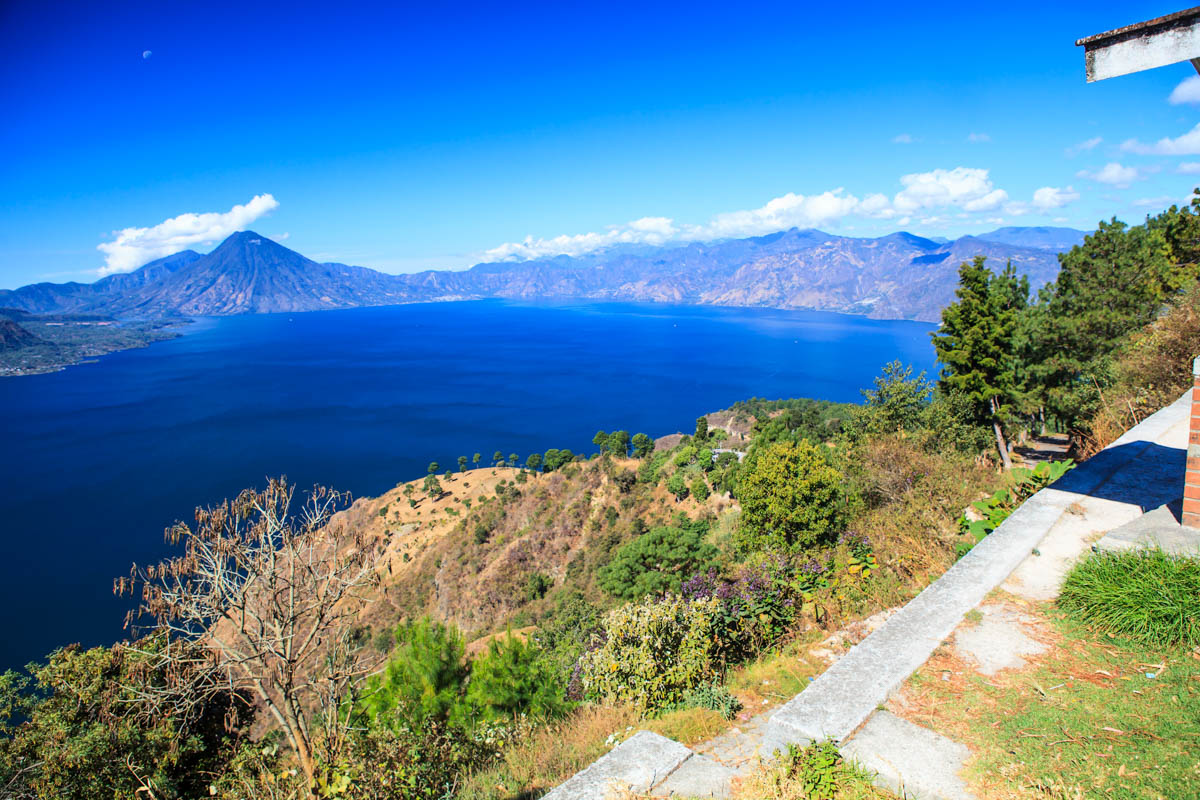
Lake Atitlán is already recognised as one of Central America’s most striking volcanic lakes, surrounded by steep hills and indigenous communities. Beneath its surface, however, lies a different kind of attraction.
Samabaj is not a typical dive site. Visibility, depth, and preservation challenges mean it remains primarily the domain of trained researchers rather than recreational divers. Even so, its existence highlights the growing importance of underwater archaeology within the diving world.
As technology improves, sites like this are becoming more accessible to study, offering new opportunities to document submerged cultural heritage without disturbing it.
A Story Still Unfolding
Rather than a sudden discovery, the latest research marks a continuation of a story that has been developing for over three decades.
Samabaj is now more clearly understood as a submerged Maya settlement shaped by environmental change, not myth. For the diving community, it stands as a reminder that some of the most compelling underwater sites are not coral reefs or wrecks, but entire chapters of human history waiting beneath the surface.

.jpg)