


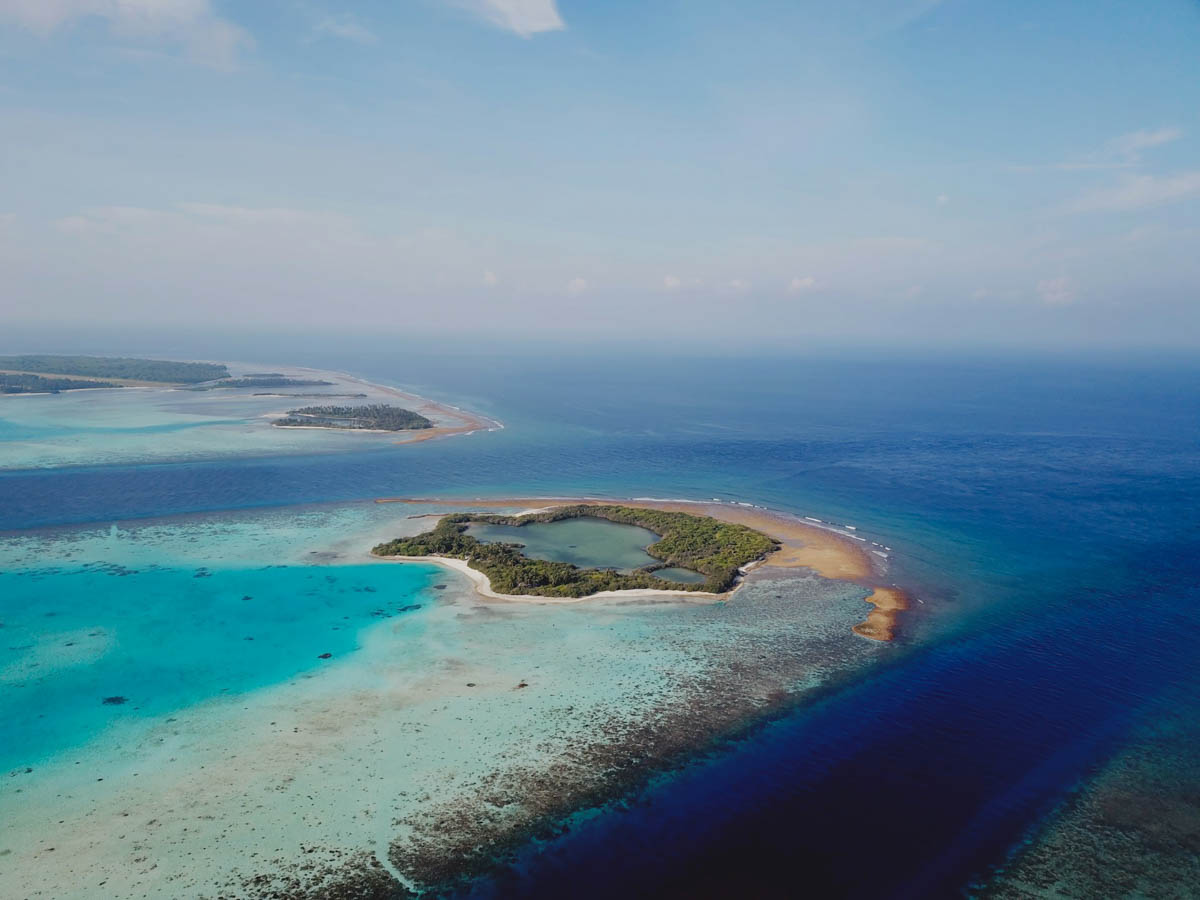

Recovery teams in the Maldives are continuing difficult operations inside a deep underwater cave system following the deaths of five Italian divers during a cave exploration dive in the Vaavu Atoll.
The incident, which took place near Alimathaa on 14 May 2026, has already become one of the most widely discussed diving tragedies in recent years. While authorities in both the Maldives and Italy continue to investigate the circumstances surrounding the accident, attention is increasingly turning to the extraordinary challenges now facing recovery divers operating in the area.
According to international reports and official statements, the group was exploring underwater caves at depths of around 50 metres when they failed to surface. Maldivian authorities later confirmed the deaths of all five divers.

Authorities have now confirmed that one body has been recovered from inside the cave system, while the remaining four divers are still believed to be located deeper within the underwater network. International reports state that recovery teams have so far only been able to safely access two of the cave’s three known chambers due to hazardous conditions and operational limitations.
Recovery operations have been complicated by rough sea conditions, depth, currents, and the hazards associated with overhead-environment diving. Officials involved in the operation have reportedly described the cave system as exceptionally dangerous, even for highly experienced divers.

Unlike open-water diving incidents, cave and cavern environments can significantly complicate rescue and recovery efforts. Limited visibility, restricted access, narrow passages, entanglement risks, and the inability to make a direct ascent to the surface all increase operational complexity. At depths approaching 50 metres, recovery teams must also manage increased decompression obligations and reduced working times.
Reports indicate that deteriorating weather and strong currents in the Vaavu Atoll have repeatedly delayed or restricted recovery efforts. Several international outlets have also reported that specialist divers may be travelling to assist with operations as authorities continue to assess how to safely reach the remaining victims.
While many divers associate the Maldives primarily with drift diving, reefs, sharks, and liveaboards, the archipelago also contains lesser-known underwater overhangs, swim-throughs, and cave-like geological formations that can present very different conditions from recreational reef diving.
Authorities have not yet released a full operational timeline or confirmed whether the dive was conducted as a formal technical cave dive under recognised cave-diving protocols. Details surrounding equipment configuration, gas management, dive planning, and environmental conditions also remain under investigation.
The incident has triggered widespread discussion throughout the international diving community, particularly around the risks associated with deep overhead-environment diving in remote marine locations.
Italian authorities have now opened a parallel investigation into the accident, while reports indicate the operating licence of the liveaboard vessel involved has been temporarily suspended pending the outcome of inquiries.
The tragedy has also drawn national attention in the Maldives, with reports stating that President Mohamed Muizzuvisited the recovery operation site during the ongoing response effort.
The Scuba News will continue to monitor developments as further verified information becomes available.
Sources include the Associated Press, Euronews, and official statements from Maldivian and Italian authorities.
Comments