





A dive expedition searching for a missing World War II aircraft in the waters associated with the Bermuda Triangle made an unexpected and historic discovery on the seabed.
Instead of finding the wartime aircraft they were investigating, the team encountered a large section of debris partially buried in sand on the Atlantic floor.
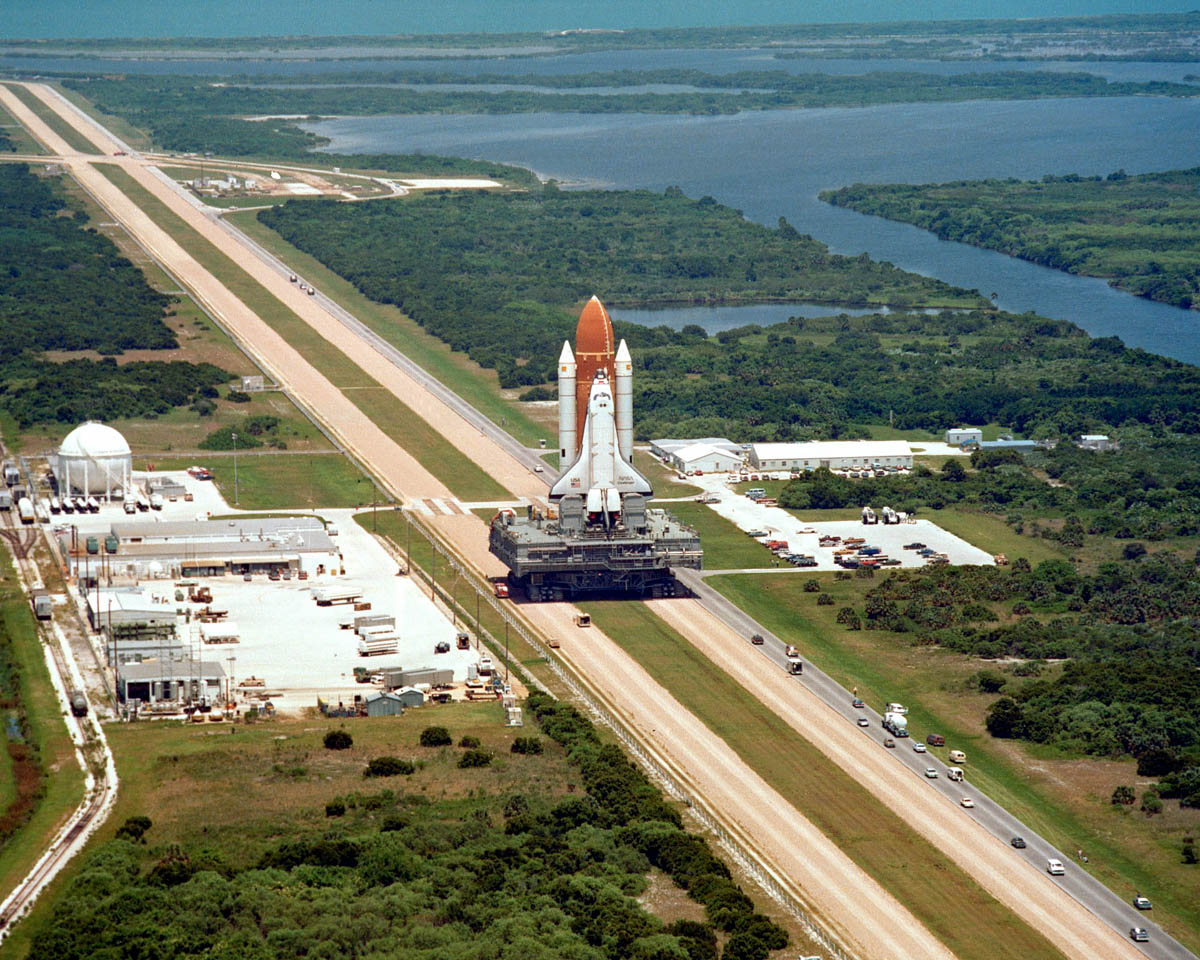
Divers quickly realised the object was unlike anything normally found on aircraft wrecks. The structure was covered with distinctive square thermal protection tiles used on NASA space shuttles.
The footage was later reviewed by NASA, which confirmed the object was a fragment from the Space Shuttle Challenger. The confirmation was announced by the agency after reviewing images of the debris recorded by the expedition team, as detailed in a report published by NASA.
The discovery was made during filming of an expedition exploring historic wrecks connected to the Bermuda Triangle, an area of the western Atlantic long associated with maritime mysteries.
The dive team had originally been searching for aircraft linked to wartime disappearances in the region. One of the most famous cases connected to the area is the loss of Flight 19, a group of five U.S. Navy training aircraft that vanished during a navigation exercise in December 1945 along with their 14 crew members.
During the search dives, the expedition encountered a large structure measuring roughly six metres across resting on the seabed. The visible heat-resistant tiles and construction materials immediately suggested the debris could be related to the Challenger disaster.
The discovery was later featured in the exploration series documenting the dives, which described how the team had been surveying wreck sites connected to Bermuda Triangle aviation mysteries when they unexpectedly encountered the spacecraft fragment, as described in reporting by HISTORY.com.
The Space Shuttle Challenger was destroyed 73 seconds after launch on 28 January 1986 when a failure in the shuttle’s solid rocket booster caused the spacecraft to break apart during ascent. All seven astronauts aboard the mission were killed in the tragedy.
Following the disaster, a massive recovery effort located and retrieved much of the shuttle debris from the Atlantic seabed. However, some fragments remained scattered across a large area of ocean floor off Florida’s Space Coast.
NASA confirmed that the newly discovered fragment is one of the largest pieces of Challenger debris identified in decades.
For the divers involved in the expedition, the discovery served as a powerful reminder that the ocean often reveals unexpected chapters of history.
Teams searching for lost aircraft and shipwrecks frequently uncover completely different wreck sites, turning routine exploration dives into moments of historical significance.
In this case, a search for a wartime mystery in the Bermuda Triangle instead revealed a relic from one of the most tragic moments in the history of space exploration.
Comments