


Affiliate Disclosure: Some content on The Scuba News may include affiliate links. Find out how this supports our work.
Every new diver hits the same moment sooner or later. You finish your certification, you feel confident underwater, and suddenly the question appears, should I start buying my own scuba gear, and if so, where do I even begin?
Spend time talking to instructors, dive guides, or other divers online and one theme comes up again and again. Buying the wrong equipment too early is one of the most common mistakes new divers make. At the same time, waiting too long to own the essentials can hold back comfort, confidence, and progression.
This guide is written for newly certified divers who want to spend their money wisely, avoid gimmicks, and build a kit that grows with them rather than being replaced six months later.
The Smart Rule for First-Time Gear Buyers
Before diving into specific items, there is one principle that experienced divers agree on almost universally. Buy what affects fit, hygiene, and comfort first. Rent or delay everything else until you understand your diving style.
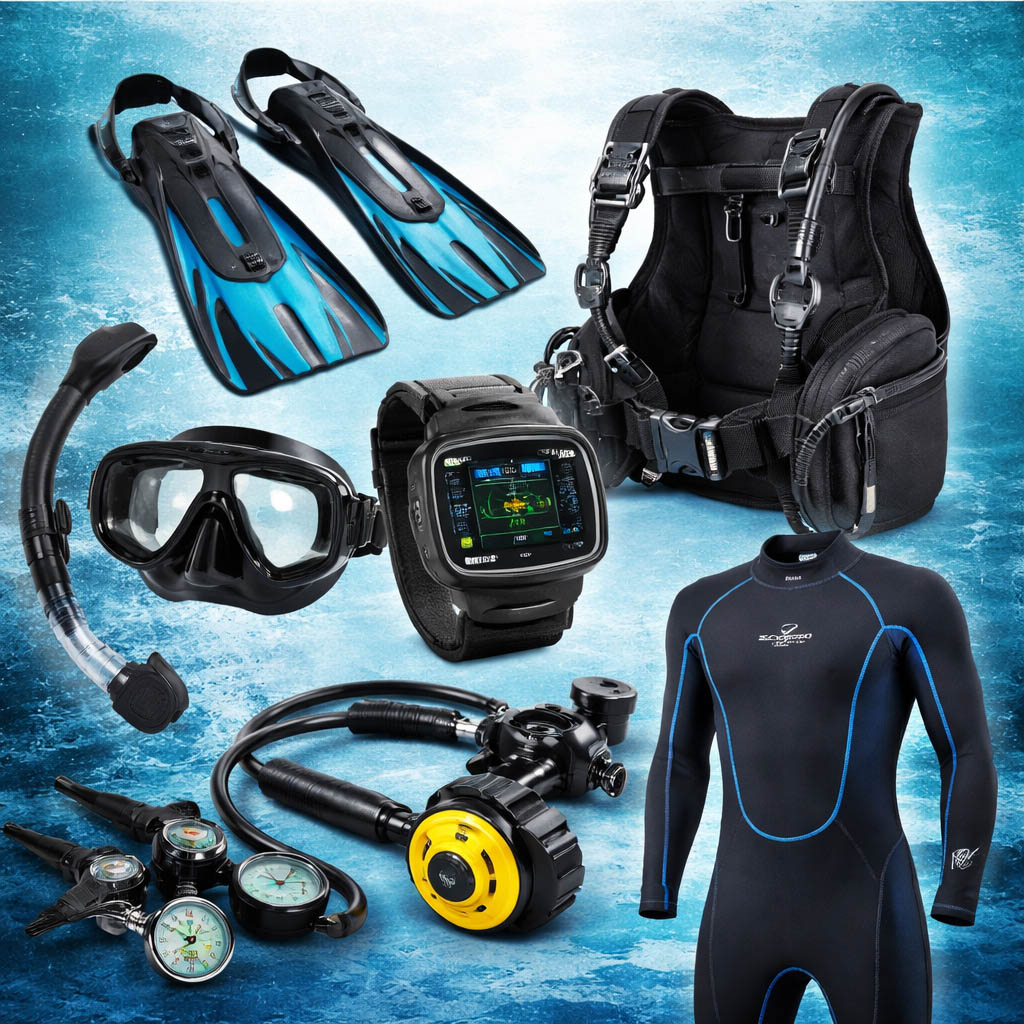
Mask fit, fin comfort, exposure protection, and computer readability are deeply personal. Regulators, BCDs, and accessories can come later, once you know where and how you dive most often.
Start With a Mask That Truly Fits Your Face
A poorly fitting mask can ruin an otherwise perfect dive. Leaks, pressure points, and constant clearing are distractions that new divers should not have to deal with.
When browsing masks on retailers like Scuba.com you will notice a wide range of shapes and styles, and that variety exists for a reason. Faces differ dramatically, and price is far less important than seal quality and comfort.
Low-volume masks are often recommended because they are easier to clear and work well across recreational depths, while tempered glass lenses are essential for safety. Try on several styles if possible, and do not assume the most expensive option will fit best.
Fins Are About Matching Your Legs and Your Diving
New divers are often surprised by how much fins influence fatigue and air consumption. Stiff fins can feel powerful but quickly exhaust inexperienced legs, while very soft fins may feel inefficient in currents.
Browsing open-heel fins on Amazon.com gives a good overview of the range available today, from traditional paddle fins to modern split designs. For most beginners, a medium-stiff open-heel fin paired with boots offers the best balance of control, comfort, and adaptability.
If you plan to dive primarily from boats in warm water, lightweight fins are easier to travel with. If shore diving or dealing with surge, a slightly stiffer blade offers better stability.
Exposure Protection Is Not Just About Warmth
Many new divers think wetsuits are only for cold water, but thermal protection plays a role in buoyancy control, comfort, and even safety.
A well-fitting wetsuit reduces fatigue and helps maintain focus during longer dives. Browsing wetsuits on Scuba.com shows just how much variation exists in thickness, cut, and material.
Even in tropical destinations, a 3mm wetsuit or shorty can prevent heat loss on repetitive dives and protect against minor scrapes and stings. Fit matters more than brand here, and suits that are too loose flush constantly, reducing insulation and buoyancy consistency.
A Dive Computer Is Your First Real Upgrade
Once divers move beyond basic training, owning a dive computer becomes less of a luxury and more of a personal safety tool.
Modern entry-level computers offer clear displays, nitrox capability, and conservative algorithms suitable for recreational profiles. Exploring beginner-friendly models on Amazon.com highlights just how accessible reliable computers have become.
For new divers, simplicity matters more than advanced features. Large digits, intuitive menus, and easy battery replacement are more valuable than air integration or technical modes that may never be used.
What You Should Usually Rent at First
While it is tempting to buy everything at once, some equipment makes more sense to rent until experience builds.
Regulators and BCDs represent significant investments and are best chosen after understanding hose routing preferences, buoyancy styles, and travel habits. Rental gear also exposes new divers to different setups, helping them make informed choices later.
Accessories like reels, specialty knives, and backup gear are often unnecessary early on and are better added gradually as diving becomes more specialized.
Avoid the Most Common Beginner Buying Mistakes
New divers often overspend on features they do not need or buy cheap gear that must be replaced quickly. Buying unfamiliar brands solely because they are discounted, choosing size based on charts alone, or purchasing full kits without trying anything first are all frequent regrets.
Another common mistake is buying for hypothetical future diving rather than current reality. Gear should match where you dive now, not where you might dive someday.
Building Your Kit Over Time Is Not a Weakness
Experienced divers rarely buy everything at once. Gear collections evolve slowly, shaped by real dives, not marketing promises.
Starting with a personal mask, comfortable fins, exposure protection, and a reliable computer builds confidence and consistency. From there, each purchase becomes more informed, more intentional, and far less likely to be replaced.
The goal is not to own the most gear, but to own the right gear for the diving you actually do.
Final Thought for New Divers
Buying scuba equipment is not a race. The ocean is not impressed by brand names, and neither are experienced divers. Comfort, fit, and familiarity matter far more than price tags or feature lists.
Take your time, ask questions, rent wisely, and invest gradually. Your future self underwater will thank you for it.
Comments