



Affiliate Disclosure: Some content on The Scuba News may include affiliate links. Find out how this supports our work.
February is one of the most strategically underrated months in the global dive calendar. While many destinations sit in shoulder season on land, underwater conditions often peak, with calmer seas, excellent visibility, and seasonal marine life encounters that simply do not happen at other times of year. Fewer crowds and more stable weather windows make it an ideal month for divers who plan with intent rather than habit.
Below are ten destinations where February consistently delivers exceptional diving, based on seasonal conditions, marine life behaviour, water temperatures, and long-term dive industry data.
1. Galápagos Islands
February marks the heart of the warm season in the Galápagos, when water temperatures rise and plankton blooms attract pelagic life in staggering numbers. Hammerhead schools remain reliable at Darwin and Wolf, while manta rays and whale sharks continue to patrol cleaning stations.
According to seasonal oceanographic summaries published by the Charles Darwin Research Station, February offers calmer surface conditions combined with biologically rich waters, a rare balance in this famously dynamic region. Visibility fluctuates but marine density more than compensates, making it one of the most rewarding months for experienced divers.

Photo by Roberto Nickson on Unsplash
2. Maldives
February sits squarely in the Maldives’ dry northeast monsoon, bringing flat seas, strong visibility, and predictable currents. This is peak season for manta rays on western atolls and consistent grey reef and white-tip shark encounters across channels.
The Maldives Meteorological Service confirms February as one of the driest and calmest months of the year through its official climate summaries, conditions that directly translate into reliable liveaboard itineraries and stress-free diving across the central and southern atolls.
3. Red Sea
The Red Sea in February rewards divers willing to trade summer warmth for dramatic underwater action. Water temperatures hover around 22–24°C, but visibility is often exceptional and pelagic sightings increase along offshore reefs and deep walls.
Long-term environmental monitoring by the Egyptian Environmental Affairs Agency highlights winter as a prime season for dolphin encounters, schooling fish, and healthy coral viewing, particularly along the Brothers, Daedalus, and Elphinstone reef systems.
4. Sipadan
Sipadan’s legendary walls come alive in February as calmer seas improve access and visibility while turtle and barracuda populations remain at seasonal highs. This is one of the most consistent months for large schools of jacks forming tornadoes along the drop-offs.
Marine protection data from Sabah Parks, published through Malaysia’s Department of Marine Park, supports February as a stable window with minimal weather disruption, making it ideal for divers seeking classic big-fish Southeast Asian diving.

Photo by Francisco Jesús Navarro Hernández on Unsplash
5. Socorro Islands
February is peak season in the Revillagigedo Archipelago, better known as Socorro. Giant Pacific manta rays, bottlenose dolphins, humpback whales, and multiple shark species converge in nutrient-rich waters far offshore.
The seasonal presence of humpbacks during February is well documented by the National Oceanic and Atmospheric Administration, aligning perfectly with liveaboard schedules that target the archipelago during this narrow but spectacular window.
6. Andaman Sea
Thailand’s Andaman Sea enjoys some of its best conditions in February, with excellent visibility, warm water, and minimal rainfall. Richelieu Rock and the Similan Islands often deliver whale shark sightings alongside dense macro life.
Seasonal sea condition data published by the Thai Meteorological Department consistently shows February as one of the most stable months for offshore diving, making it a reliable choice for both photographers and less experienced divers.
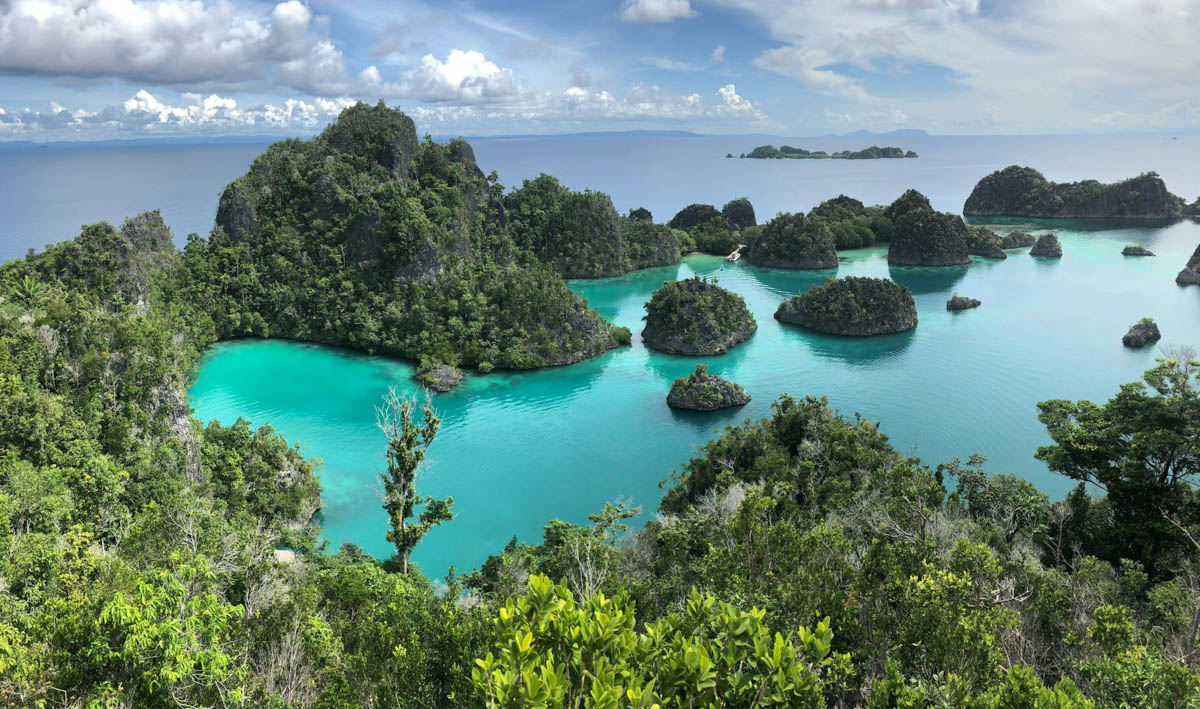
Photo by Bart ter Haar on Unsplash
7. Raja Ampat
While Raja Ampat can be dived year-round, February sits within a quieter period that brings fewer boats and outstanding biodiversity encounters. Visibility improves across Dampier Strait and Misool, with soft corals and reef fish reaching peak density.
Ecological research from Conservation International, accessible via its Raja Ampat biodiversity reports, confirms February as a biologically active period driven by nutrient flow and minimal surface disruption.
8. Baja California
February in the Sea of Cortez is a prime time for large animal encounters, particularly California sea lions, mobula rays, and migrating whales. Cooler water temperatures bring nutrient-rich upwellings that transform dive sites into feeding grounds.
Marine migration tracking by CONANP Mexico identifies February as a key month for whale activity throughout Baja California, offering divers rare interactions that blur the line between diving and wildlife expedition.
9. Palau
Palau’s famous Blue Corner and Ulong Channel shine in February, when strong currents attract reef sharks, eagle rays, and massive schools of snapper. Visibility remains high, and surface conditions are generally calm.
According to environmental monitoring summaries published by the Palau International Coral Reef Center, February aligns with peak shark activity and stable reef health indicators, reinforcing its reputation as one of the Pacific’s most reliable winter dive destinations.
Photo by Jakob Owens on Unsplash
10. Cozumel
Cozumel’s drift diving reaches its stride in February, with clear water, moderate currents, and minimal rainfall. The island’s protected marine park ensures consistent reef quality and abundant turtle sightings.
The Cozumel Reefs National Marine Park publishes seasonal access and condition data showing February as a high-visibility, low-impact month, ideal for relaxed yet exhilarating drift dives.
Why February Works So Well for Divers
February sits at a sweet spot globally. Many tropical destinations enjoy dry-season stability, while temperate regions benefit from seasonal migrations that bring larger marine life closer to shore. Dive operators face fewer weather cancellations, reefs experience lower diver pressure, and underwater ecosystems operate at peak natural rhythm.
For divers willing to plan beyond school holidays and conventional travel windows, February offers something increasingly rare in modern dive tourism, exceptional conditions without exceptional crowds.
If your goal is quality over convenience, February deserves a permanent place on your dive calendar.
Comments