



For divers seeking a balance of comfort, professionalism, and access to Egypt’s most celebrated offshore reefs, Blue Planet Liveaboards has become a familiar and trusted name in Red Sea liveaboard diving. Operating a modern fleet purpose-built for extended dive itineraries, the company focuses on delivering relaxed, well-organised dive safaris across both the northern and southern Red Sea.
Beyond the vessels themselves, the appeal lies in what liveaboard diving unlocks in Egypt: remote reefs, early-morning shark encounters, uncrowded wrecks, and long, unhurried days shaped around diving rather than shore schedules.

A Liveaboard Operation Built Around Experience
Blue Planet Liveaboards was developed around a simple principle: create vessels and itineraries that work for divers first. Over time, this philosophy has shaped a fleet that prioritises stability, space, and functionality, while maintaining the comfort expected from modern Red Sea liveaboards.
The company operates year-round, adapting itineraries to seasonal conditions and marine life movements, and catering to recreational divers, photographers, and more experienced guests looking for challenging offshore sites.

The Blue Planet Fleet
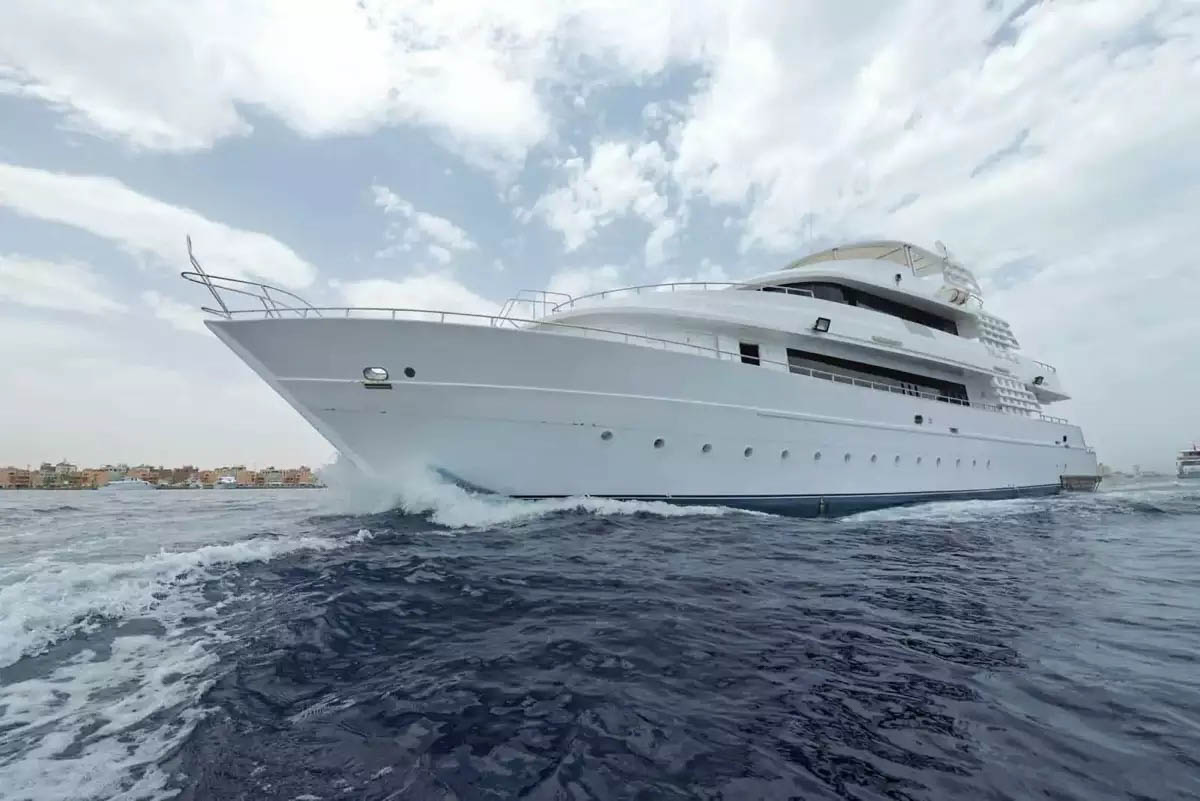
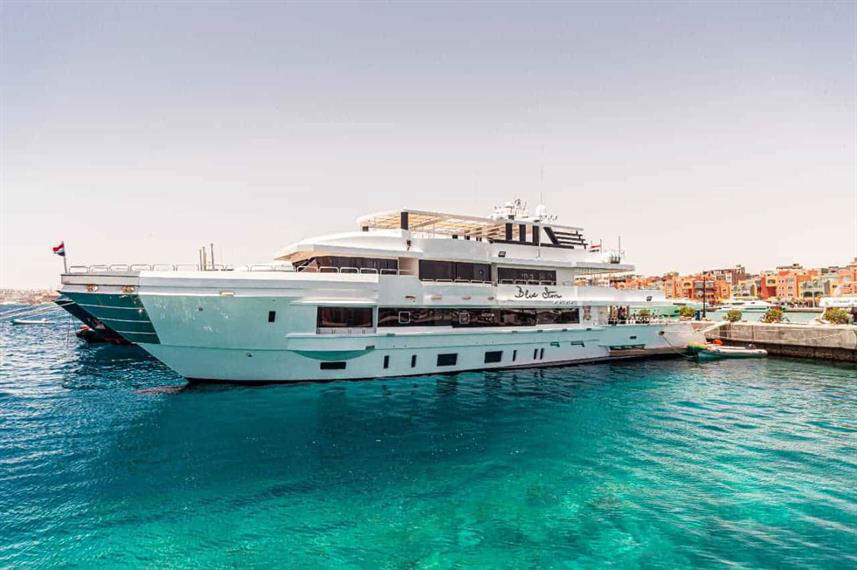
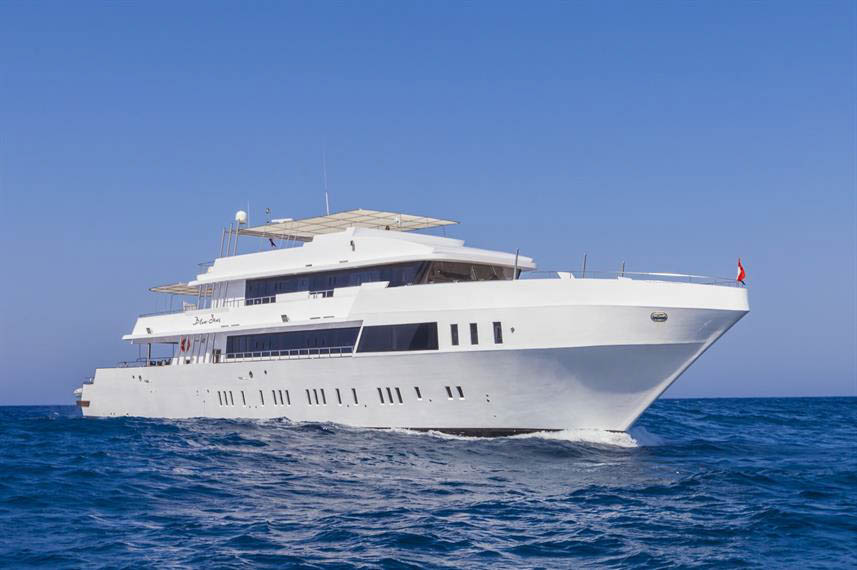
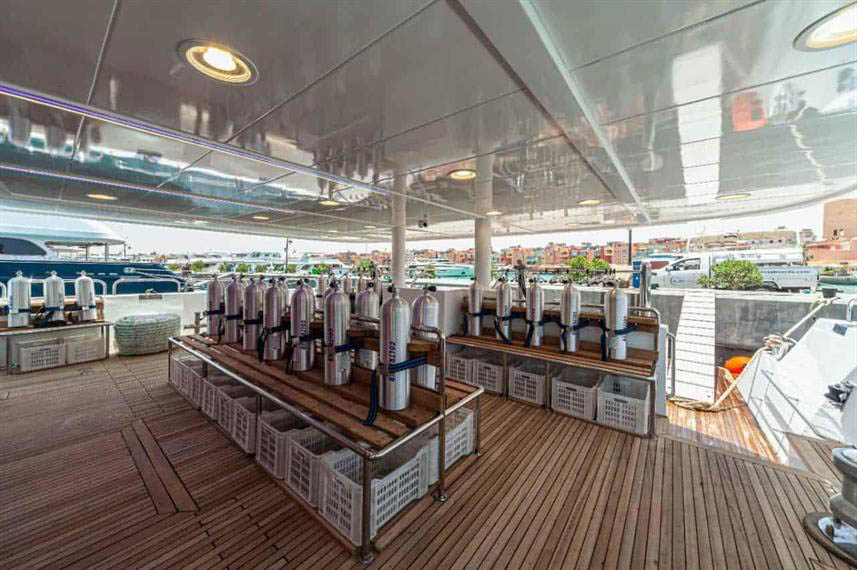
Each vessel in the Blue Planet Liveaboards fleet is designed to support week-long dive expeditions, with generous deck space, shaded outdoor areas, and layouts optimised for repetitive diving.
- MY Blue offers accommodation for up to 24 guests across a mix of cabin styles, providing a sociable onboard atmosphere paired with reliable performance under way.
- MY Blue Seas blends classic liveaboard design with modern systems, offering comfortable communal areas and efficient dive deck operations.
- MY Blue Pearl caters to slightly smaller groups, creating a quieter onboard environment without sacrificing range or dive capability.
- MY Blue Storm is built for longer crossings and offshore routes, combining power, stability, and ample space for divers and equipment.
Across the fleet, guests can expect dedicated dive platforms, onboard compressors, Nitrox availability for certified divers, and navigation and safety systems aligned with international liveaboard standards.
Why the Egyptian Red Sea Remains a Global Diving Icon
The Egyptian Red Sea occupies a unique position in global diving. Warm, clear water, exceptional reef health, and minimal river runoff combine to create year-round visibility that frequently exceeds 30 metres. Coral coverage remains among the healthiest in the Indo-Pacific region, supporting dense reef fish populations alongside regular pelagic encounters.
Liveaboards are the key to accessing the Red Sea at its best, reaching sites far beyond the limits of daily boat traffic.
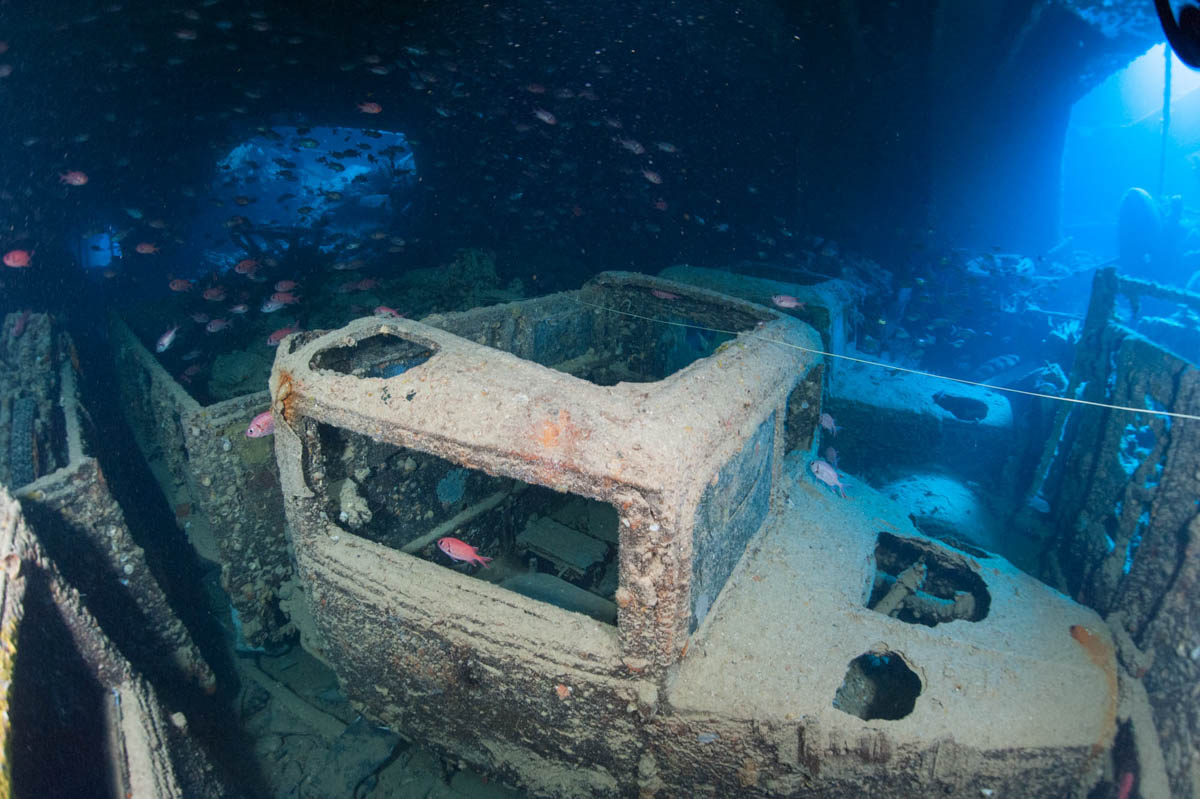
Image courtesy of Kimmo Hagman
Signature Red Sea Dive Sites Accessed by Liveaboard
Blue Planet Liveaboards itineraries typically focus on offshore reefs and historic wrecks that define Red Sea diving.
SS Thistlegorm
Often described as the world’s most famous wreck dive, this World War II cargo ship lies scattered across the seabed with motorcycles, trucks, and railway equipment still visible inside its holds.
Abu Nuhas Reef System
Known as the “Ship Graveyard”, Abu Nuhas hosts multiple wrecks including the Giannis D and Carnatic, making it one of the richest wreck-diving zones in the northern Red Sea.
Ras Mohammed National Park
Towering walls, coral gardens, and fast-moving schools of fish characterise this protected area, where currents bring nutrient-rich water that fuels intense marine life activity.
Brothers Islands
These isolated islands rise sharply from deep water and are famed for dramatic wall dives, dense soft coral growth, and regular sightings of oceanic whitetip sharks. The wrecks of Numidia and Aida add depth to the experience.
Daedalus Reef
Positioned far offshore, Daedalus is best known for seasonal hammerhead shark encounters and strong currents that attract large pelagics.
Elphinstone Reef
A long, narrow reef with steep drop-offs, Elphinstone offers some of the most consistent shark encounters in Egyptian waters, particularly along its northern and southern plateaus.
Fury Shoal
This extensive reef system combines shallow coral gardens, pinnacles, and lagoons, with frequent dolphin encounters and excellent macro life.
St John’s Reefs
Located close to the Sudanese border, St John’s delivers pristine reefs, swim-throughs, and cave systems rarely matched elsewhere in Egypt.
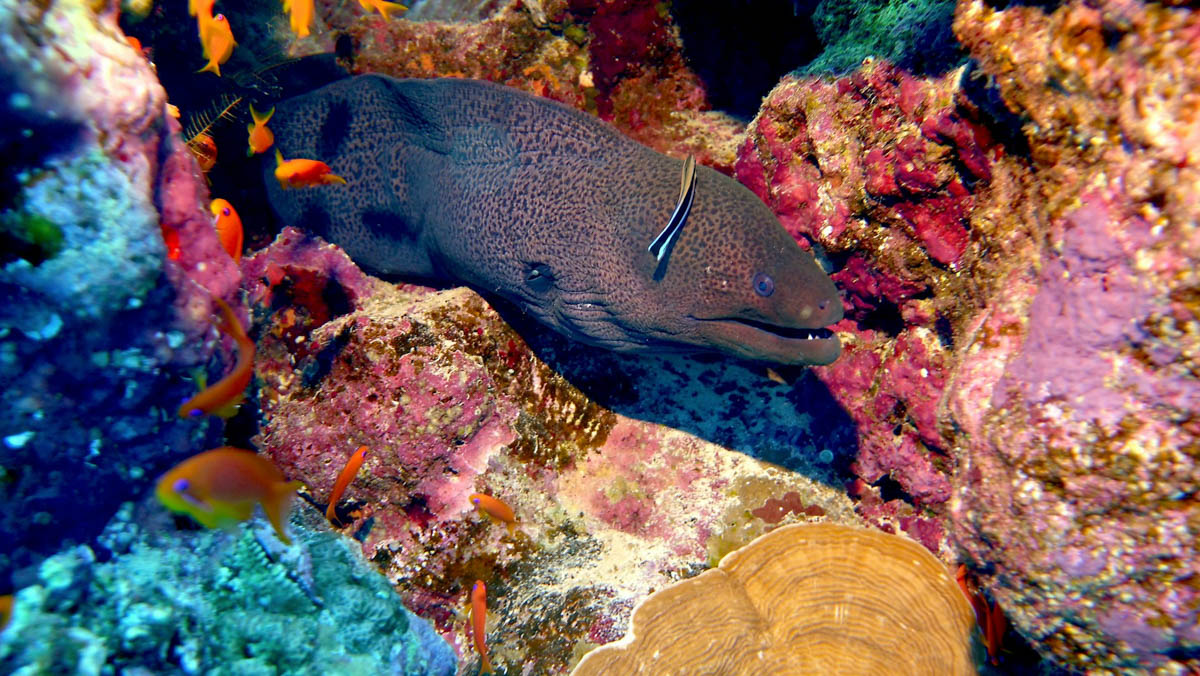
Photo by geoff trodd on Unsplash
Northern Versus Southern Red Sea Diving in Egypt
The Red Sea is often divided into northern and southern regions, each offering a distinct diving character.
Northern Red Sea routes are typically wreck-focused, combining historic sites with colourful reefs and shorter travel distances. These itineraries suit divers who enjoy variety and iconic dive names.
Southern Red Sea routes place greater emphasis on remote reefs and pelagic encounters. Longer crossings are rewarded with fewer boats, healthier reefs, and a stronger sense of expedition-style diving.
Many experienced divers ultimately choose to explore both regions to fully appreciate the diversity of Egyptian Red Sea diving.
Getting to Egypt for a Liveaboard Safari
International travellers typically arrive via Cairo, Hurghada, or Marsa Alam, with Hurghada remaining the primary embarkation point for most northern and central Red Sea itineraries. Southern routes often operate from Marsa Alam or southern ports depending on the schedule.
Tourist visas are available to many nationalities on arrival or via e-visa, and transfers to liveaboard marinas are generally arranged in advance as part of the safari package.
Safety, Standards, and Operational Focus
Liveaboard diving demands a high level of operational discipline, and Blue Planet Liveaboards places strong emphasis on vessel maintenance, crew training, and dive planning. Clear briefings, structured dive schedules, and conservative safety procedures underpin each itinerary, allowing divers to focus on enjoying the experience rather than logistics.
Exploring the Red Sea by Liveaboard
A Red Sea liveaboard is more than a collection of dives; it is an immersive way to experience one of the world’s most celebrated marine environments. By combining well-designed vessels, experienced crews, and carefully chosen routes, Blue Planet Liveaboards offers divers the opportunity to experience Egypt’s offshore reefs at their best, far from the shoreline and on the Red Sea’s own terms.
Comments

