


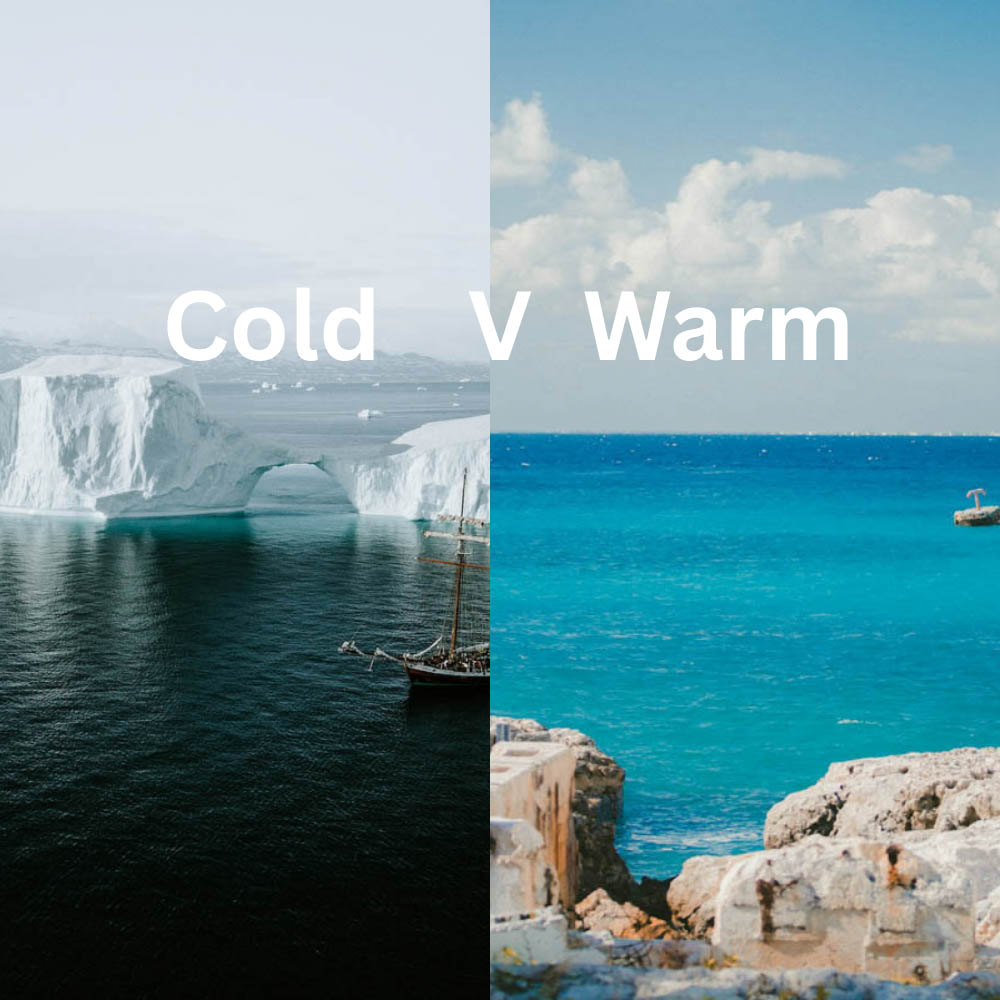
Scuba diving is often imagined as a warm-water pursuit, clear blue seas, coral reefs glowing with colour, and relaxed surface intervals under the sun. Yet for many divers, the most powerful underwater experiences happen in colder, darker waters where kelp forests sway, seals glide past, and the ocean feels raw and untamed. Cold and warm water diving are not simply variations of the same activity. They are fundamentally different expressions of what it means to explore beneath the surface.
Understanding those differences, and why each has such devoted advocates, reveals just how diverse the underwater world really is.
What Do We Mean by Cold and Warm Water Diving?
Warm water diving generally refers to locations where temperatures remain comfortably above 24°C. These are the tropical and subtropical regions most divers first encounter, including the Red Sea, Caribbean, Southeast Asia, and the Indian Ocean. Cold water diving begins when temperatures drop below around 20°C, with truly cold environments pushing into single digits where drysuits become essential and dive planning takes on a different rhythm.
Temperature influences almost every aspect of a dive, from buoyancy and gas consumption to physical stress and recovery. Training guidance published by PADI explains how colder conditions increase breathing rates, reduce dexterity, and require more deliberate exposure protection strategies, reinforcing that cold water diving is not simply warm water diving with thicker neoprene.
Equipment: Simplicity Versus Systems
One of the most immediate contrasts between cold and warm water diving is equipment.
In warm water environments, gear remains light and streamlined. A thin wetsuit or even a rash guard may be sufficient, weighting requirements are minimal, and regulators are rarely pushed to environmental limits. This simplicity lowers the barrier to entry and makes warm water diving ideal for beginners, travelling divers, and photographers who value ease of movement and long, comfortable dive days.
Cold water diving, by contrast, is a fully integrated system. Drysuits, thermal undergarments, hoods, gloves, and environmentally sealed regulators all work together to manage heat loss and safety. Buoyancy control becomes more complex due to air movement within the suit, and surface preparation becomes part of the dive itself. According to safety and medical guidance from Divers Alert Network, proper thermal protection in cold water is critical not only for comfort but for decision-making, situational awareness, and overall dive safety.
Visibility and Atmosphere
Warm water diving is often associated with excellent visibility and abundant light. Sunlight penetrates deeply, illuminating coral structures and schooling fish in vivid colour. Navigation feels intuitive and the environment appears open and expansive, lending itself to relaxed exploration and wide-angle photography.
Cold water visibility is more variable and often misunderstood. While plankton blooms can reduce visibility at certain times of year, many cold water locations offer exceptional clarity, particularly during winter months or in high-latitude regions. Reduced light and muted colours change the emotional tone of a dive, encouraging slower movement and sharper focus. Cold water diving often feels less like sightseeing and more like true exploration.
Marine Life: Colour Versus Character
Warm water ecosystems are biodiversity hotspots. Coral reefs support thousands of species, from reef fish and turtles to sharks and rays. Life is dense, colourful, and instantly recognisable, which is part of their enduring appeal.
Cold water ecosystems trade colour for character. Towering kelp forests, giant anemones, unusual invertebrates, and frequent encounters with marine mammals create a sense of scale and intimacy that many divers find deeply compelling. Life in cold water is built around adaptation, resilience, and efficiency, offering encounters that often feel more personal and less scripted.
Which One Is Better?
The question itself misses the point.
Warm water diving excels at accessibility, comfort, and visual impact. Cold water diving offers challenge, immersion, and a stronger sense of achievement. Each environment develops different skills and rewards different mindsets.
Divers who experience both often find that cold water training sharpens discipline and control, while warm water experience builds fluidity and confidence. Together, they create more capable, adaptable divers.
Two Oceans, One Passion
Cold and warm water diving are not opposing experiences. They are complementary ways of understanding the ocean. One reveals abundance and colour, the other reveals structure and survival. Together, they remind us that the sea cannot be defined by temperature alone.
To truly know the underwater world, you have to feel it at both extremes.
