




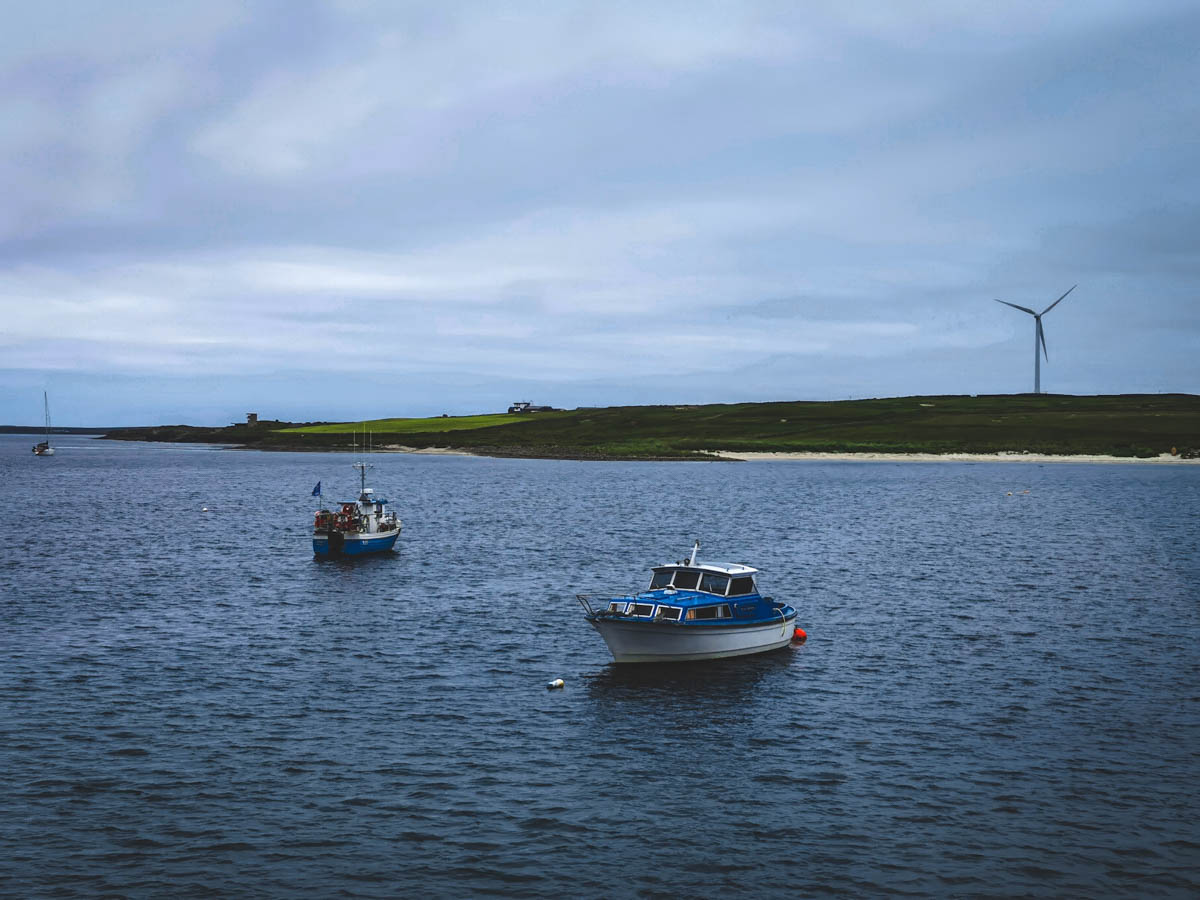

Every diver has a story about the first time they drop beneath the surface in the far north of Scotland. The Orkney and Shetland Isles may not have tropical reefs or bathtub temperatures, but for those drawn to history, challenge and raw maritime beauty, these islands are an underwater pilgrimage.
A Wreck Diver’s Dream in Orkney
At the heart of Orkney’s allure lies Scapa Flow, one of the most storied dive sites in the world. The sheltered bay hides the remains of the German High Seas Fleet, scuttled in 1919, now preserved as ghostly monuments to naval history. Divers describe the experience as both awe-inspiring and humbling, with massive wrecks resting quietly in the green depths.
One diver simply summed it up as:

“It’s incredibly good wreck diving. The biggest wrecks are outstanding.”
That sentiment echoes across countless reviews, from Reddit’s scuba community to long-time visitors on TripAdvisor. Scapa Flow is widely regarded as the pinnacle of European wreck diving, not only for the scale of its sunken warships but for the meticulous way local operators manage dives.
Operators like MV Huskyan and others based in Stromness earn glowing praise for their professionalism, safety and passion for maritime history. One reviewer noted,
“Emily’s briefings before each dive are legendary and her enthusiasm and knowledge shine through.”
The sentiment is shared by many who value the depth of local expertise and the camaraderie found aboard these small, purpose-built vessels. It’s not just the wrecks that make the experience; it’s the sense of being part of a living tradition, guided by people who know every rivet and bulkhead below.
The Reality of Cold-Water Diving
Orkney diving isn’t for the faint-hearted. Visibility varies from moderate to murky, and temperatures can dip low enough to make even the best drysuit divers pause before entry. Yet, this is part of the adventure. Divers praise the rugged beauty and the satisfaction that comes from mastering conditions that test both skill and endurance.
Community forums frequently mention the importance of preparation. The advice is simple: come equipped, come trained, and come ready for the North Sea’s mood swings. As one diver remarked in a candid forum post,
“Shetland can be done in winter but be prepared; logistics and conditions are very different to the south.”
That same attitude applies to Orkney, where tides and weather dictate daily plans. Good skippers are revered for reading the sea and timing dives perfectly, ensuring both safety and optimal visibility.
The Shetland Isles: Remote and Rewarding
Farther north, the Shetland Isles offer a wilder, more expedition-style experience. The diving here is less about fleets and more about exploration – vertical walls, kelp forests, and a sense of isolation that few destinations can match. Liveaboards and local operators cater to small groups seeking discovery over comfort.
Reviews of Shetland charters often highlight their adventurous spirit, though facilities can be basic. A recurring theme is the satisfaction of those who embrace its remoteness. As one guest wrote after a week aboard a small vessel,
“We explored wrecks, walls, alleys and inlets; the whole trip was excellent.”
Marine life thrives in these colder waters, with sightings of wolf fish, nudibranchs, and vast kelp forests. Visibility is rarely crystal clear, but the combination of topography and life beneath the surface offers a different kind of spectacle – raw, northern and vividly alive.
Not Every Voyage Runs Smoothly
No destination escapes criticism, and Orkney is no exception. Some divers report experiences where expectations fell short, usually tied to logistics or interpersonal dynamics on board. One negative review pulled no punches:
“Poor skipper attitude, poor service, poor food, poor dive management.”
Such reports are rare compared to the overwhelmingly positive consensus, but they serve as reminders that even the world’s best sites depend on professionalism and planning. In regions as remote as these, choosing a reputable operator can make the difference between frustration and fulfilment.
The Verdict
Both the Orkney and Shetland Isles sit high on the wish list for divers seeking something beyond coral reefs and warm seas. These are destinations for those who crave depth, history and authenticity. The stories divers bring home from navigating the decks of century-old warships to surfacing amid seabird colonies and salt-streaked cliffs speak of experiences that stay with them for life.
For most, diving here isn’t a one-time adventure; it’s a rite of passage.
And in the words of one returning visitor, it’s simple:
“The wrecks are timeless. Once you’ve dived Scapa, everywhere else feels a little smaller.”
Comments