


By the time you surface from your first dive in Japan, you’ll understand why this country, known for its cherry blossoms, sushi, and samurai, hides an equally breathtaking world beneath the waves. Japan is not only a land of culture and innovation but also a premier destination for divers seeking variety, biodiversity, and adventure. From tropical coral reefs in the south to ice diving in the north, it offers an extraordinary range of underwater experiences few places on Earth can match.

Why Dive in Japan
Japan’s location at the meeting point of warm and cold ocean currents creates a rich tapestry of marine life. The Kuroshio Current, often called the “Black Stream,” carries warm tropical water northward, allowing coral reefs and tropical species to thrive far beyond their usual range. According to Japan Travel, this convergence of currents results in remarkable biodiversity, with over 30,000 recorded marine species.
The underwater topography is equally fascinating. Divers will encounter volcanic rock formations, vibrant coral gardens, caves, wrecks, and even submerged monuments. Add to this the country’s efficiency, safety, and hospitality, and Japan stands out as a destination that combines world-class diving with impeccable infrastructure and culture.

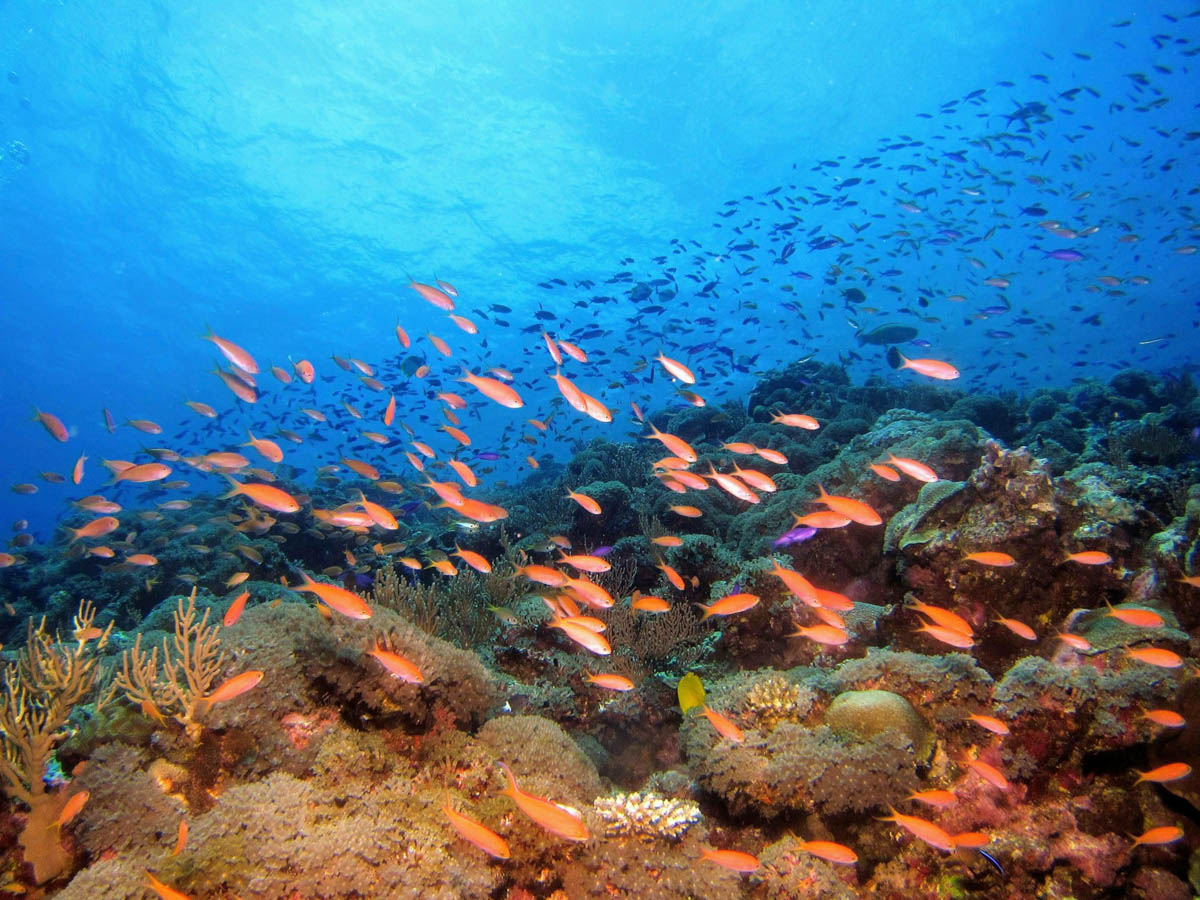
Photo by Jezael Melgoza on Unsplash
Getting There and Around
Most international divers arrive via Tokyo’s Haneda or Narita airports or through Kansai International Airport in Osaka. From Tokyo, you can reach the Izu Peninsula and Izu Islands by train and ferry. The remote Ogasawara Islands, often called the “Galápagos of the East,” are accessible by a 24-hour ferry, rewarding divers with pristine, untouched reefs.
For those heading south, Okinawa and the Yaeyama Islands are connected by frequent domestic flights. PADI notes that Okinawa’s dive infrastructure is among the best in Asia, with operators catering to all levels of certification. Local transport and transfer arrangements are usually handled by the dive centers themselves, making travel logistics straightforward.
Japan accepts all major international certifications including PADI, SSI, and CMAS. For technical or cave diving, it is advisable to confirm special requirements in advance. According to Japan Guide, a typical two-tank boat dive in Okinawa costs between ¥16,000 and ¥18,000 (around USD 145–165), with introductory dives available for about half that price.
Diving Conditions and Best Seasons
Japan’s diving seasons vary greatly by region. The southern islands, such as Okinawa and Yonaguni, offer warm-water diving year-round, with peak coral and visibility between June and October. From November to May, plankton-rich waters bring manta rays and large pelagics to cleaning stations.
The Izu Peninsula and surrounding areas near Tokyo are best explored from June to September when water temperatures are comfortable and visibility is at its best. For more adventurous divers, Hokkaido offers winter ice diving in late February and March, a stark but beautiful contrast to the country’s tropical south.
According to DiveSSI, water temperatures range from 24–29 °C in Okinawa to below 10 °C in Hokkaido. Visibility can reach 30 m in the southern reefs, while in temperate waters it averages between 10 and 20 m. Wetsuits between 3–5 mm are suitable for the south, while dry suits are essential for the northern regions.
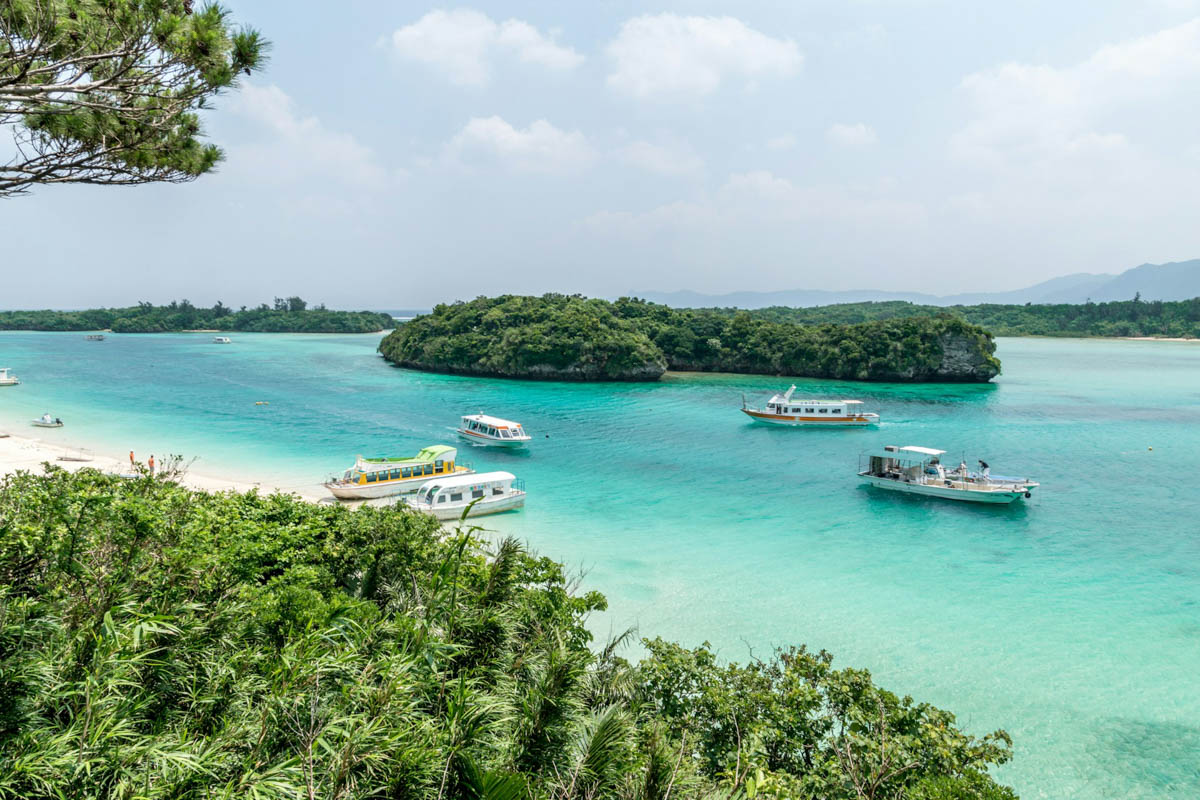
Photo by Vladimir Haltakov on Unsplash
Dive Highlights Across Japan
Okinawa and the Southern Islands
Okinawa is the heart of Japanese diving. The Kerama Islands boast crystal-clear waters, sea turtles, and thriving coral reefs. Shore dives at the Sunabe Sea Wall are perfect for beginners, while advanced divers explore deep reefs and WWII wrecks scattered across the Ryukyu archipelago. Nearby Yonaguni Island is famous for the mysterious Yonaguni Monument, a submerged stone structure that continues to fascinate archaeologists and divers alike.
Marine life includes reef sharks, turtles, moray eels, and manta rays, which are frequent visitors between June and October. As PADI highlights, Okinawa offers everything from drift diving to historical wrecks, all in warm tropical waters.
Izu Peninsula and Honshu
Just a short train journey from Tokyo, the Izu region introduces divers to a completely different underwater world. The Osezaki area on the west coast is a haven for macro photography, with nudibranchs, frogfish, and seahorses populating its rocky bottom. Offshore, Mikomoto Island is famous for hammerhead shark sightings, though its strong currents demand experience and precision.
Closer to the capital, Chiba Prefecture has gained international recognition for its “Shark Scramble” dives. Here, divers can observe hundreds of Japanese hound sharks swirling in natural formations, a spectacle comparable to any big-animal encounter elsewhere in the world.
Unique Northern and Inland Experiences
Japan’s northern reaches offer some of its most unusual dives. In Hokkaido, divers can explore under ice sheets in sub-zero temperatures, encountering an array of cold-water species. In Kyushu, the Inazumi Underwater Cave presents a labyrinth of submerged limestone chambers, making it one of the few publicly accessible underwater cave systems in Asia.
For those who prefer coastal dives, Kushimoto in Wakayama Prefecture offers calmer waters, colorful reefs, and easy access from Osaka, making it ideal for divers looking to mix culture and underwater exploration.
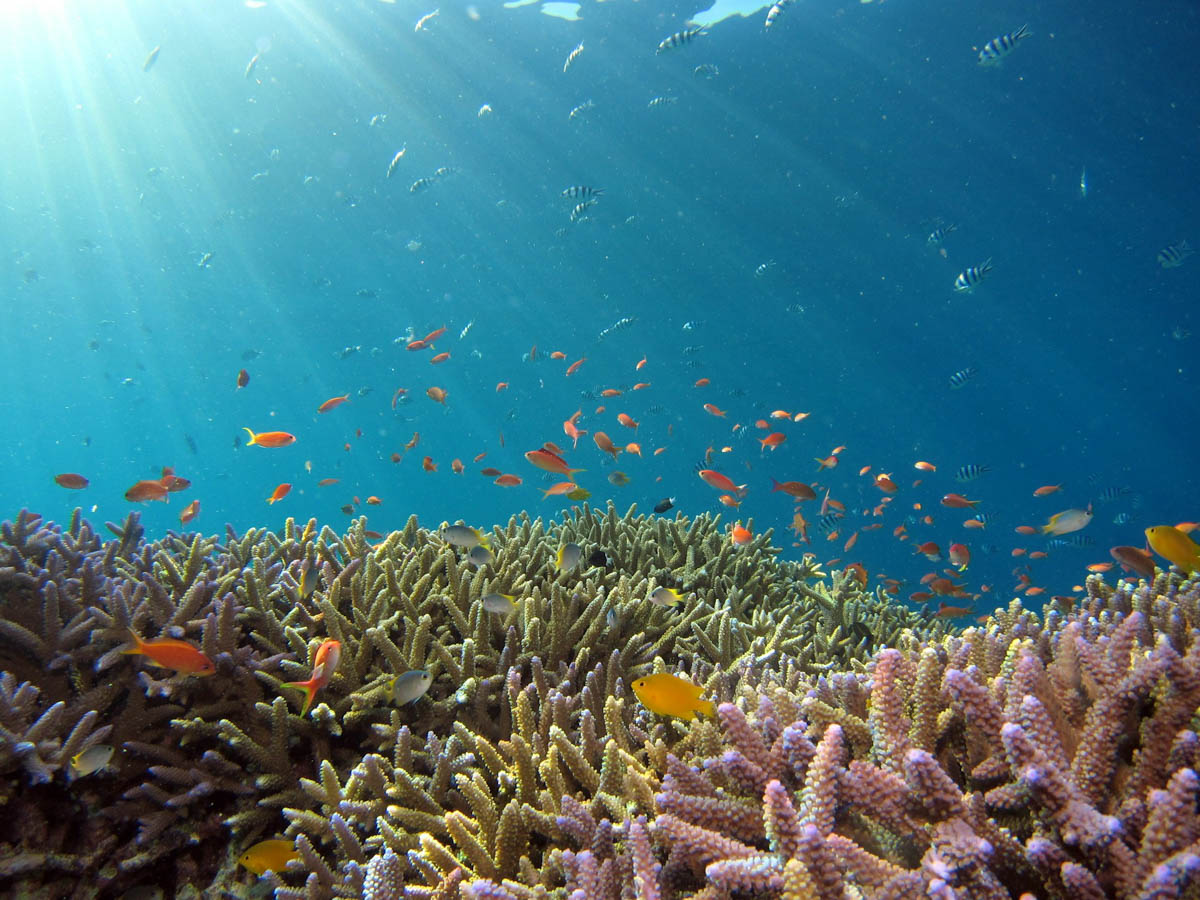
Photo by Hiroko Yoshii on Unsplash
A Sample Ten-Day Dive Journey
A well-balanced dive itinerary in Japan might begin in Tokyo, where you can ease into local diving with a trip to Chibaor Osezaki. After a few days exploring sharks and macro sites, fly south to Okinawa or Ishigaki for a tropical finale among manta rays, coral walls, and sunken relics.
Along the way, there’s time to immerse yourself in Japanese culture: relaxing in an onsen, visiting temples, or sampling local cuisine between dives. Japan’s efficiency allows divers to combine adventure with comfort, and even long-distance travel feels effortless.
Why Divers Should Choose Japan
Japan’s appeal lies in contrast. Few destinations combine warm reefs and icy dives, modern cities and secluded islands, ancient culture and cutting-edge infrastructure. It offers year-round diving across distinct marine environments, each with its own rhythm and surprises.
For divers seeking new frontiers, reliable operations, and a taste of the extraordinary, Japan delivers an unforgettable balance of adventure and serenity beneath the surface. Whether you’re chasing hammerheads, exploring coral labyrinths, or hovering under frozen seas, Japan will change the way you think about diving in Asia.
Get the latest news and offers from Japan
