


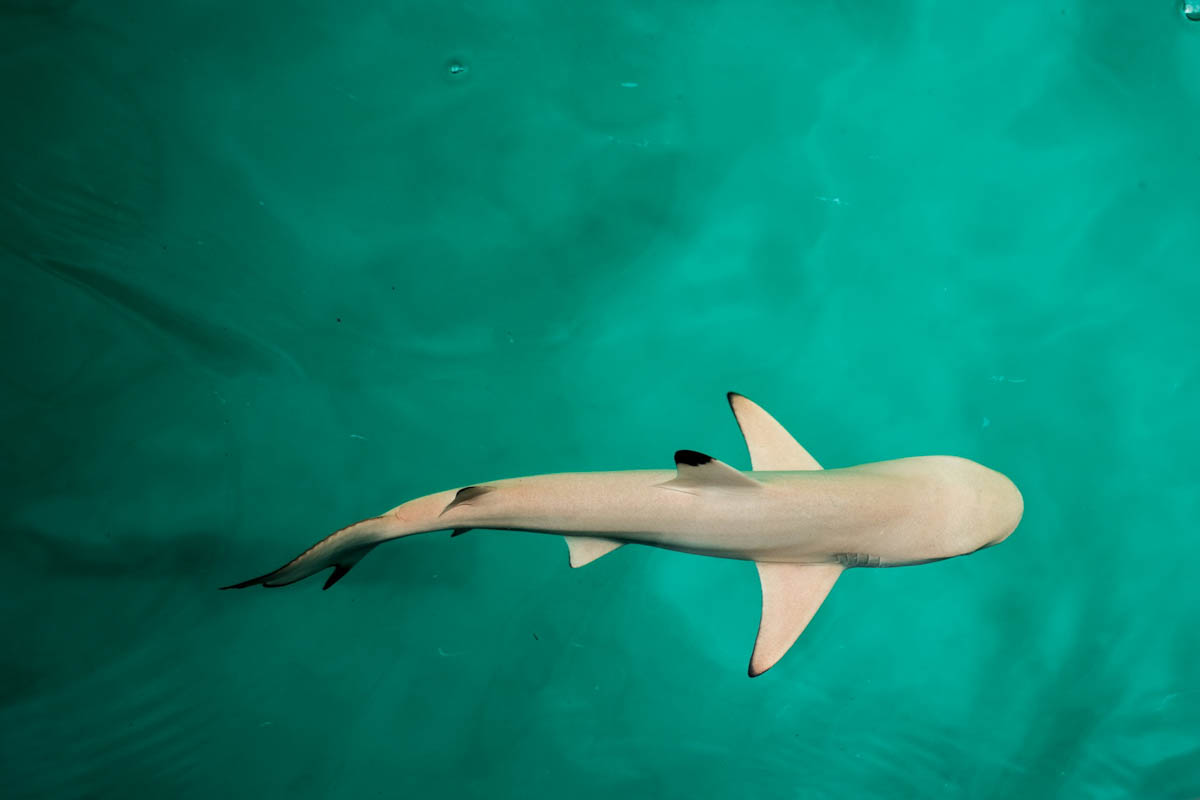

After a decade-and-a-half moratorium, the Maldives will allow shark fishing to resume this November, the office of President Mohamed Muizzu confirmed on August 27–28. The decision lifts a ban that had been fully in place since March 2010, reversing restrictions originally enacted amid growing tourism revenues and environmental concerns.
President Muizzu, speaking during a gathering on Kulhudhuffushi Island in the Haa Dhaalu Atoll, stated that reopening the gulper shark fishery under a new management plan would unlock “a significant source of income”. Shark fishing once ranked second only to tuna in the nation’s marine exports, with shark liver oil being sent overseas rather than the meat being consumed locally.

Economic motives behind lifting the ban appear rooted in the need to diversify revenue streams for coastal communities, but not everyone is on board. The UK-based advocacy group Shark Guardian voiced strong opposition, warning that the move could undermine the Maldives’ reputation as a marine sanctuary and threaten the tourism industry on which the nation heavily relies.

While fisheries authorities previously signaled no intent to reverse the ban, citing studies and sustainable practices, the latest announcement marks a clear policy shift.
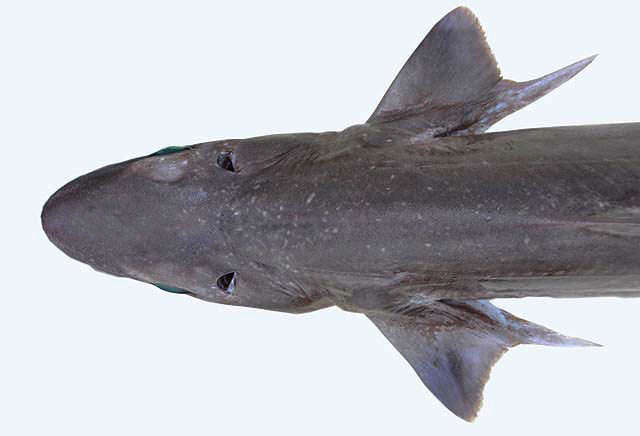
D Ross Robertson, Public domain, via Wikimedia Commons
Key Facts at a Glance
- Ban duration: Full prohibition since March 2010, building on earlier limits imposed since 1998.
- Target species: The gulper shark, historically a major export through its liver oil.
- Reopening timeline: Fishing set to resume November 2025 under a comprehensive regulation plan.
- Rationale: Reestablish income from shark fishing as previous alternative sources (e.g., tourism) face pressure.
- Environmental concerns: Fishing lobbyists now conflict with conservationists warning of potential long-term harm to tourism and biodiversity.
Comments