



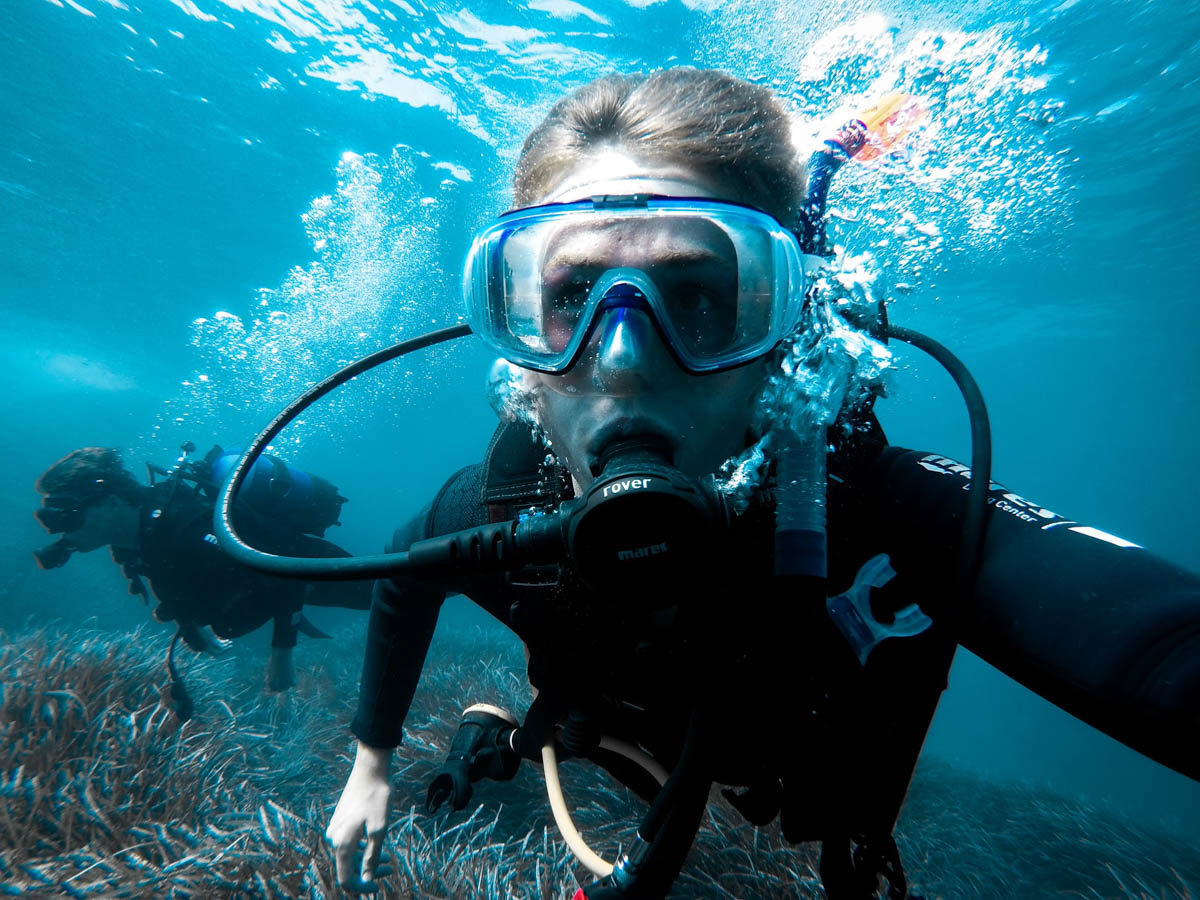

In the world of scuba instruction, a quiet bias persists. Many highly certified instructors, especially those involved in technical training, view teaching Open Water courses as a task beneath their status. It is often seen as repetitive, draining, or lacking the prestige of advanced or technical instructor. But this perception is not only misguided, it is potentially harmful to industry and dangerous to the divers it produces.

The Open Water course is the foundational entry point into scuba diving. It is where people with no prior exposure to underwater breathing, no concept of buoyancy, and no understanding of pressure or physics, are introduced to a life-changing activity. These are not divers seeking to refine existing skills; they are individuals stepping into a completely foreign world, placing immense trust in their instructor to guide them safely through it.
That level of trust demands an instructor who is not only skilled but also patient, focused, and emotionally available. Unlike technical students, who arrive with a base of knowledge and often a mindset geared toward personal development, Open Water students are blank slates. Many are nervous, unaware of their limits, and often unaware of the seriousness of the environment they are about to enter. This puts a significant cognitive and emotional load on the instructor, something not always acknowledged in discussions about dive education.

In fact, one could argue that the Open Water course is the hardest course to teach. Not because of the theory or the complexity of the skills themselves, but because of the challenge of instilling trust, confidence, and safety awareness in someone who has never experienced breathing underwater before. The instructor must lay the groundwork for a lifetime of safe diving in just a few sessions. That responsibility is enormous.
Compare that to advanced or technical course. Yes, the dives may be deeper, the gear more complex, and the theory more intensive—but you are collaborating with a diver who has already committed to scuba diving as a serious pursuit. They understand the risks. They come prepared to learn. They have already demonstrated their capability to dive safely. Most importantly, they are voluntarily investing considerable time and money into advancing their skills. That alone means they are easier to manage from a training and motivation perspective.
By contrast, Open Water students are often price-sensitive, unsure of their motivations, and may be trying scuba diving for the first—and only—time. This raises the stakes significantly for the instructor. An unpleasant experience at the Open Water level can turn someone off diving forever, or worse, leave them with incomplete skills that will put them at risk later. This is not an easy job. It is not a low-level responsibility. If anything, it is one of the most important roles in the entire scuba education hierarchy.
Diving incident data supports this perspective. Studies and reports consistently show that many fatalities occur among divers with limited experience—typically those who are newly certified or have completed fewer than 20 to 50 dives. These divers are more likely to panic, mismanage equipment issues, or ascend too quickly during an emergency. While technical diving carries higher per-dive risk, fatalities in technical diving make up a much smaller proportion of total annual diving deaths. In short, inexperience—not dive complexity—is the greater statistical risk.
This highlights the critical role of the Open Water Instructor in mitigating those early risks. Their ability to produce confident, competent divers quite literally saves lives.
But there is a trap that even the most dedicated instructors can fall into: “Burnout”. Teaching back-to-back Open Water courses without breaks or variety can lead to disengagement, frustration, and a loss of empathy. And empathy is a key component in teaching new divers.
Instructors must recognize that burnout is a risk to their students, not just themselves. Teaching the Open Water course when you are tired, distracted, or emotionally checked out is a recipe for poor instruction—and potentially unsafe divers. Every instructor, no matter their level, should balance their training load, ensure that they are mentally fresh before taking on Open Water students, and give the course the energy and attention it requires.
So not teaching Open Water is not beneath your status. If anything, it may be above your status. It is a course that requires not only technical skill, but emotional intelligence, stamina, and integrity. It is where you make the greatest impact, for better or worse, on the future of a diver’s experience and safety.
The next time you put on your wetsuit and prepare to take a brand-new diver into the water, do not think of it as a step down. Think of it as a high-level responsibility that demands your absolute best. – Because it is.
Learn more at: https://www.diveisc.com
Comments







2 Comments
Excellent article Barry, you hit the nail on the head, open water divers are the key to our industry, a good solid dive foundation will keep the new diver safe and diving for years, long after I’m gone…😊
Thank you