

It’s in my own country. I can drive to it.
“Imagine a single vast country where wildlife finds a haven from the ever-expanding domain of civilization. Imagine a sky where the sun shines not for a day, but for an entire season, and where the long winter night is emblazoned by swirling northern lights. Imagine a winter so cold that ground water is permanently frozen, yet so dry that glaciers never dominated during the ice ages. Imagine an intense summer when plants can grow before your very eyes, fueled by the constant light.” Allan Keller
I’ve had this goal since my second trip to Antarctica in 2017, when I crossed the Antarctic Circle and completed a dive and landing within the Circle. That was an exciting day on the ship, and fellow passengers from many parts of the world wanted to book a similar trip to do the same with the Arctic Circle. I said to them that the Arctic Circle is in my own country and I can drive to it. Maybe that de-romanticized the idea for them, but it sparked a new adventure in me.
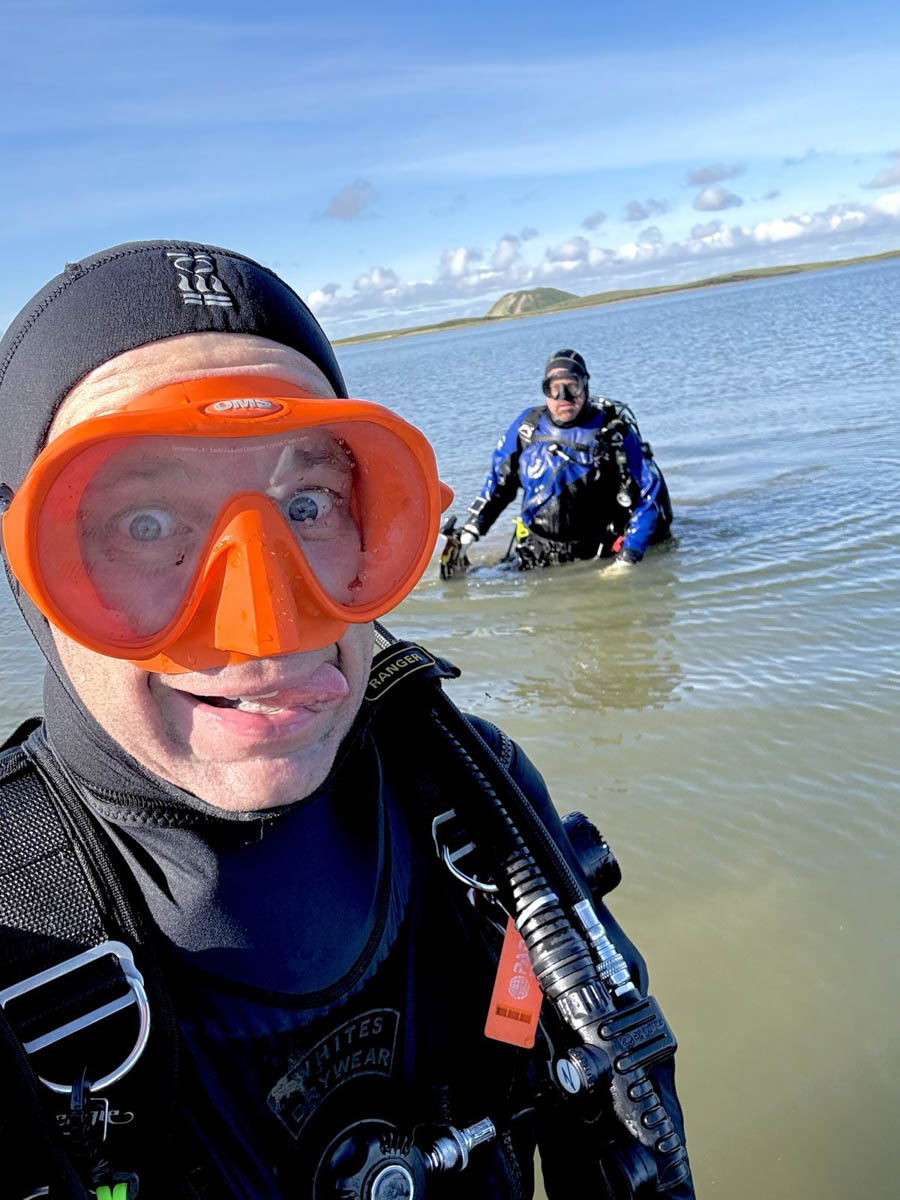
The Dempster Highway from Dawson City to Inuvik was constructed for oil and gas exploration starting in 1959 and was completed in 1979. The highway follows a route used by the Gwich’in people for generations. The final stretch of road from Inuvik to Tuktoyaktuk officially opened in 2017, making this Canada’s only road to the Arctic Ocean. In planning the road trip, the objective was to go to Tuktoyaktuk (meaning “resembling a caribou”): cross the Arctic Circle, see the Arctic Ocean, and then dive it!
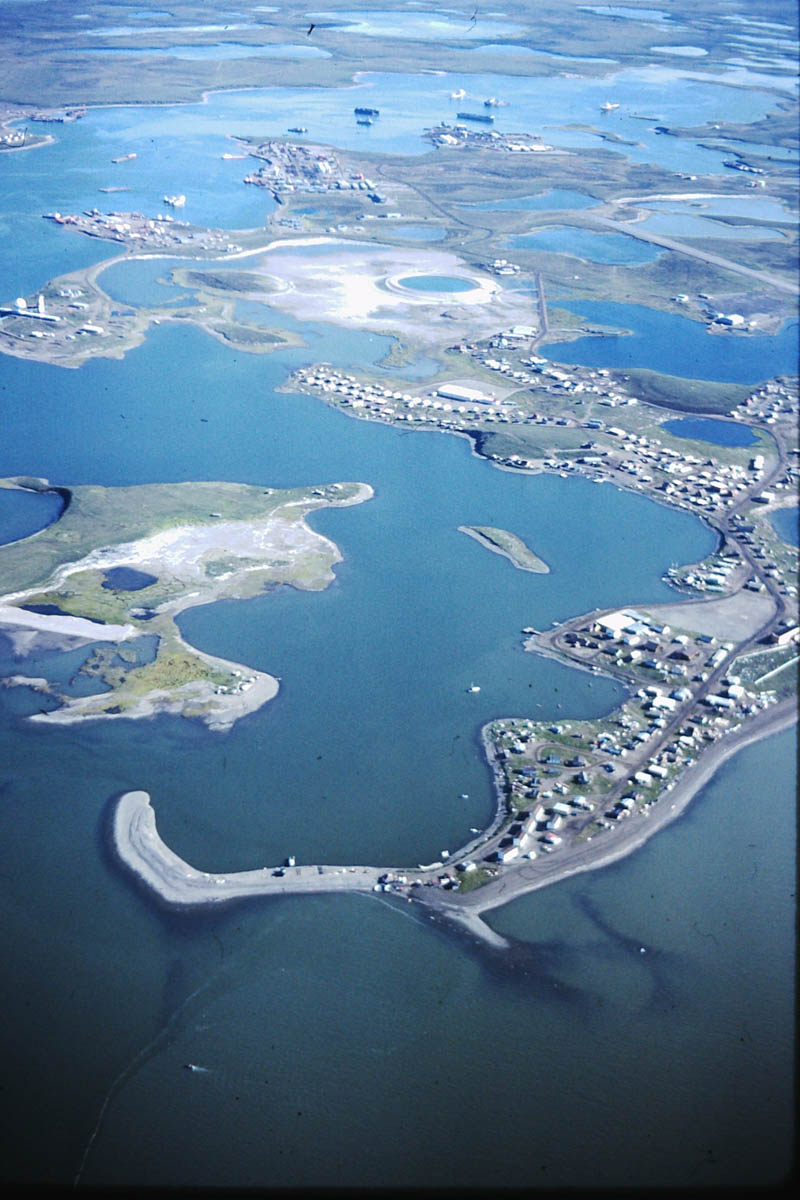
Matti&Keti; Lorenz King, JLU university Giessen.de, CC BY-SA 4.0, via Wikimedia Commons

A few things came together to make the trip so epic: the scenery was beyond spectacular, the weather was near perfect, and there were no mechanical or environmental issues. My biggest fear was the wildfires, which started earlier in the season and closed roads. I was also worried about the extremely remote 1,760 km of gravel road, but put plans in place to mitigate risk on that front. Fortunately, the plans were never needed, and they seem like overkill when not used. But it’s better to have something and not need it than to need it and not have it.
Most importantly, my travel buddy Sean, who answered my Facebook call for a travel companion, understood the assignment. He was up for the adventure of a general plan but no set itinerary: never knowing where we would sleep (including three nights in my truck and one night in a sketchy roadside motel), and never knowing where we would eat, though we had provisions for roadside camping meals. I never had a rigid plan because I never knew how far I would or could make it each day. I feel that worked to our benefit, since we could make decisions in the moment and weren’t stuck on some plan that “Past Alan” made up.
Whenever we were on the move, we had everything with us in case of a fire, a washout or a landslide. Nothing was ever left behind for us to come back to later, in case we couldn’t make it back. I even read about a landslide on the highway to Skagway that kept the only road in and out closed for eight days! We kept putting in long days on the road and were checking things off the list with fist bumps and enthusiasm. We also added a side trip to Skagway for me, and we went down the Icefields Parkway for my travel buddy.
Yeah, there are things that we missed, like the Sourtoe Cocktail in Dawson, because the place didn’t open until the evening on the day of our visit. But I will be back for that. I might have missed the 24-hour sun, but I was there for Tuk’s third sunset after the summer solstice, when the sun set at 2:00 am and rose at 3:57 am. That light sure messes with you when you are used to the darkness of night!
Total distance logged: 7,819 km over eight days.
Allen Keller
Based in Alberta and a certified dive guide in the national parks for 14 years, Allan spends his seasons documenting the freshwater systems of the Canadian Rockies, diving year round — glacial lakes, sunken history, and the strange clarity that only cold water gives you.
When I’m not in a drysuit at home, I join deeper expeditions abroad, working with technical teams to visit sites few people ever see in person.
Article submitted from Allen Keller