


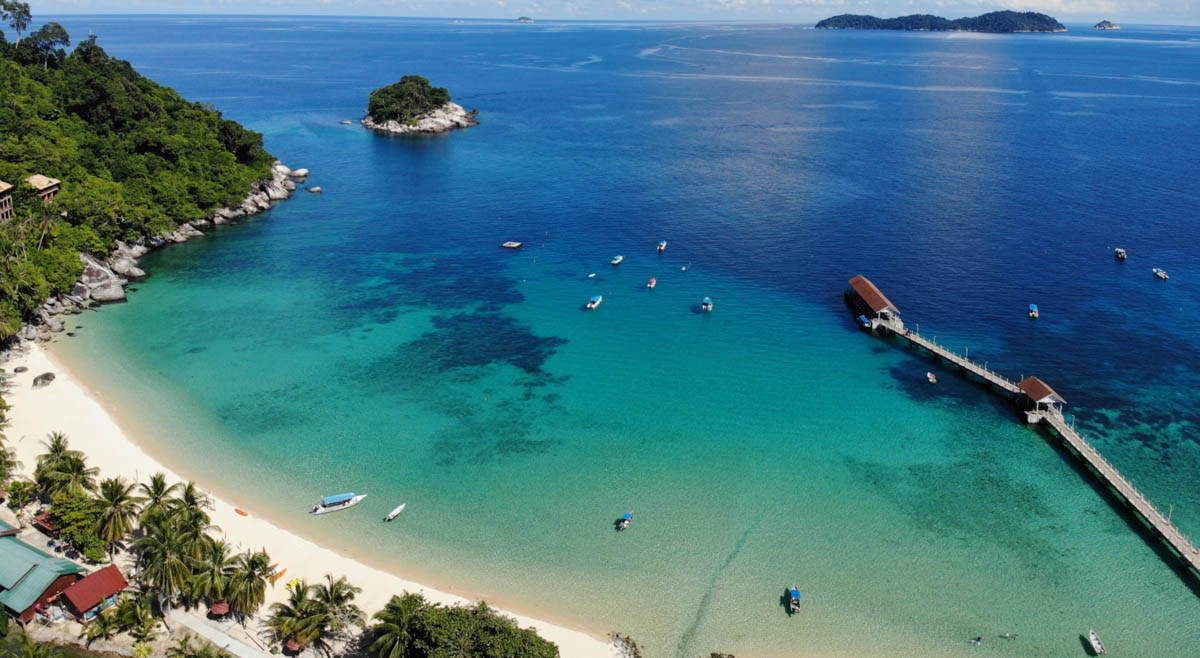

There are places we visit for a holiday, and there are places that become part of our lives. For me, Pulau Tioman in Pahang, Malaysia, is firmly in the second category.
With its turquoise waters, rainforest-covered mountains and coral reefs, Tioman has long attracted travellers looking for an island escape. Divers come to explore its underwater landscapes, photographers come in search of marine life, and visitors find plenty to enjoy beyond the water.
But when I think about Tioman, I think first about the people.
In particular, I think about Kampung Salang, the village that has become such an important part of my diving journey.
Credit: Salang Pusaka Resort
An Island That Made an Impression
Pulau Tioman lies off the east coast of Peninsular Malaysia in the South China Sea. It is the largest island in the Seribuat Archipelago, with dramatic forested peaks rising above a coastline of beaches, bays and reefs.
The island has its own legends. One tells of a dragon that travelled from Tasik Chini before becoming the island we know today. Its distinctive twin peaks, sometimes called the Dragon Horns, are among Tioman’s most recognisable landmarks.
The island’s scenery also appeared in the 1958 film South Pacific, introducing its landscapes to an international audience.
Yet photographs and descriptions can only tell you so much about a place.
My first visit to Tioman was in February 2024, towards the end of the northeast monsoon season.
It was hardly the obvious time for a conventional island holiday. During the monsoon, rougher seas and changing weather can affect ferry services, diving and other activities.
Nevertheless, Tioman left an impression on me that I have never forgotten.
If I could fall in love with the island during that period, I could only imagine what it would be like when the weather and sea conditions were more favourable.
I have been drawn back ever since.
Kampung Salang: A Place to Return To
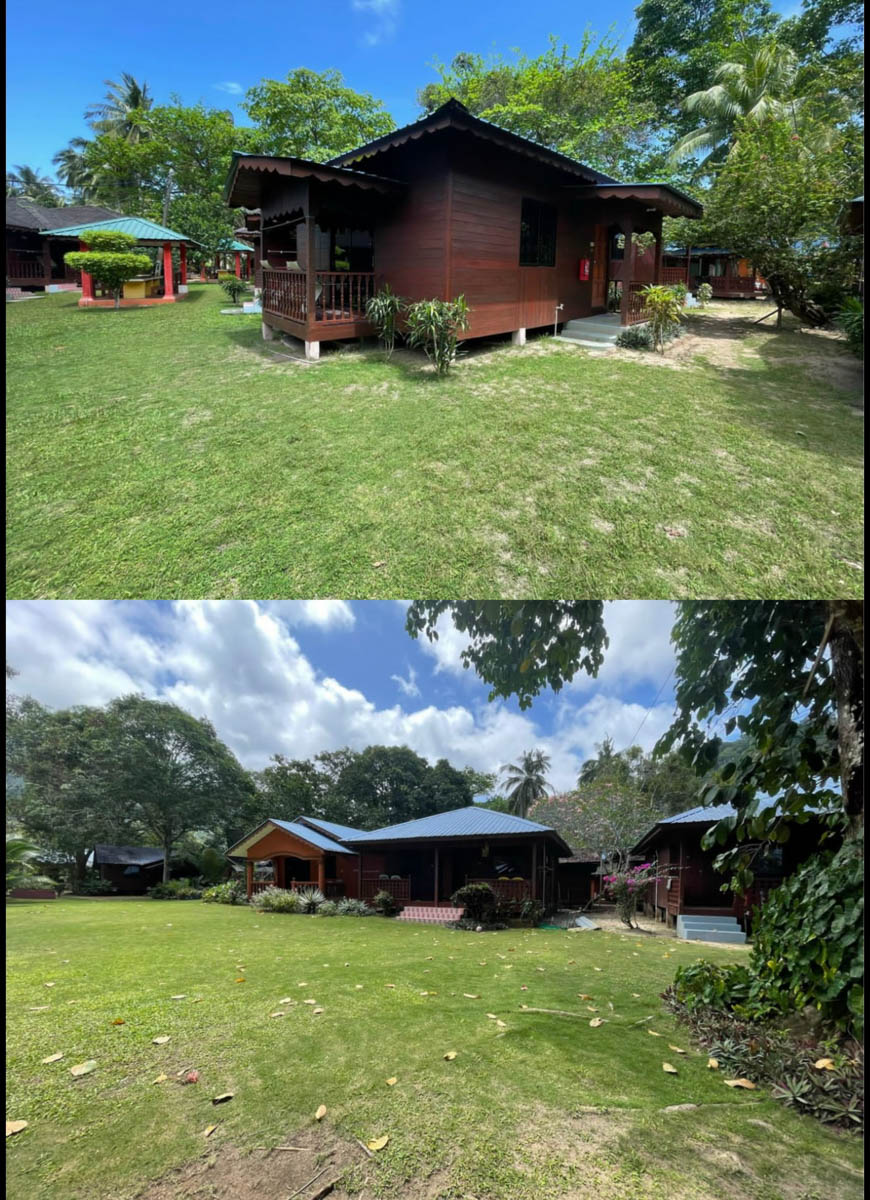
Kampung Salang, on Tioman’s northern coast, is a familiar destination for visiting divers. It offers access to nearby dive sites, accommodation and the sort of village atmosphere that makes it easy to settle into island life.
During my visits, I have continued staying at Salang Pusaka Resort.
The accommodation is comfortable, the hospitality has always made me feel welcome, and its location is convenient for preparing for a day of diving.
Those practical details matter when you are travelling with dive equipment and looking forward to getting underwater.
But they are not the main reason I return.
What makes Salang special to me is the feeling of arriving somewhere familiar, seeing people I know and picking up friendships where we left off.
Over time, the island has become much more than a destination on my travel itinerary.
It has become a community I look forward to seeing again.
Credit: Courtesy of Shahrul Azwan Azman
Discovering Tioman Beneath the Waves
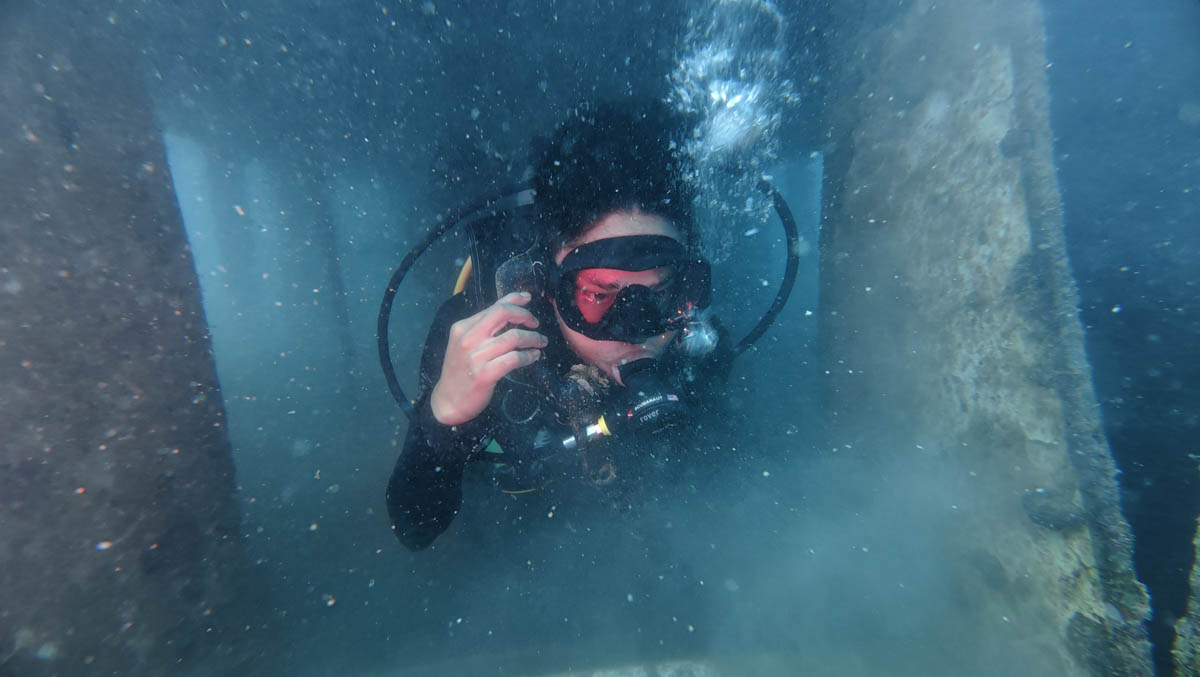
Of course, the diving itself is a major part of Tioman’s appeal.
The waters around the island offer a range of underwater environments, including coral gardens, rocky formations and sites that can present more challenging conditions.
Among the names divers will encounter when exploring Tioman are Magicienne Rock, Pulau Tulai, Malang Rock, Seafan Garden and Pulau Chebeh.
Each offers a different reason to get underwater, whether that is the scenery, the reef structures or the possibility of seeing marine life.
The reefs support colourful reef fish, including clownfish and angelfish, while schools of fusiliers and trevallies can provide spectacular moments for divers and underwater photographers.
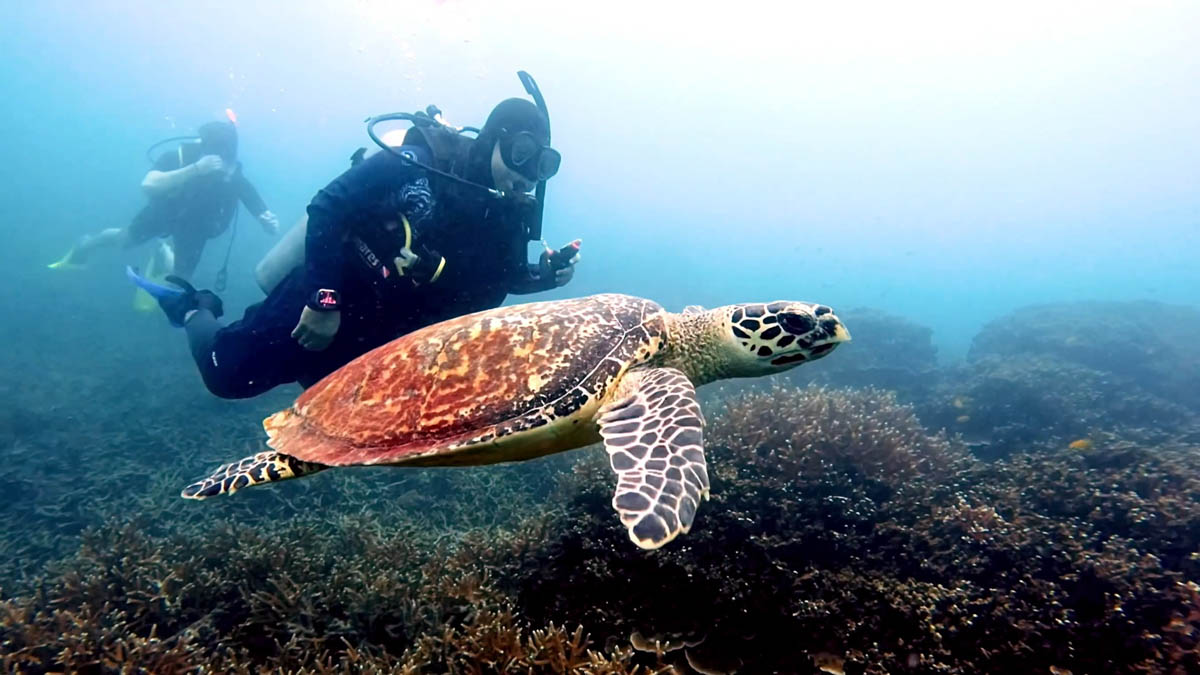
Moray eels, nudibranchs and other smaller creatures reward those willing to slow down and look carefully. Turtles and reef sharks may also be encountered, although wildlife sightings are never guaranteed.
For me, underwater photography has become an important part of the experience.
There is always something new to notice, even at a familiar dive site. Sometimes the smallest creature provides the most memorable photograph.
As with any diving destination, conditions vary with weather, currents and season. Local dive professionals are best placed to advise which sites are suitable on a particular day.
Credit: Salang Pusaka Resort
The People Who Helped Shape My Diving Journey
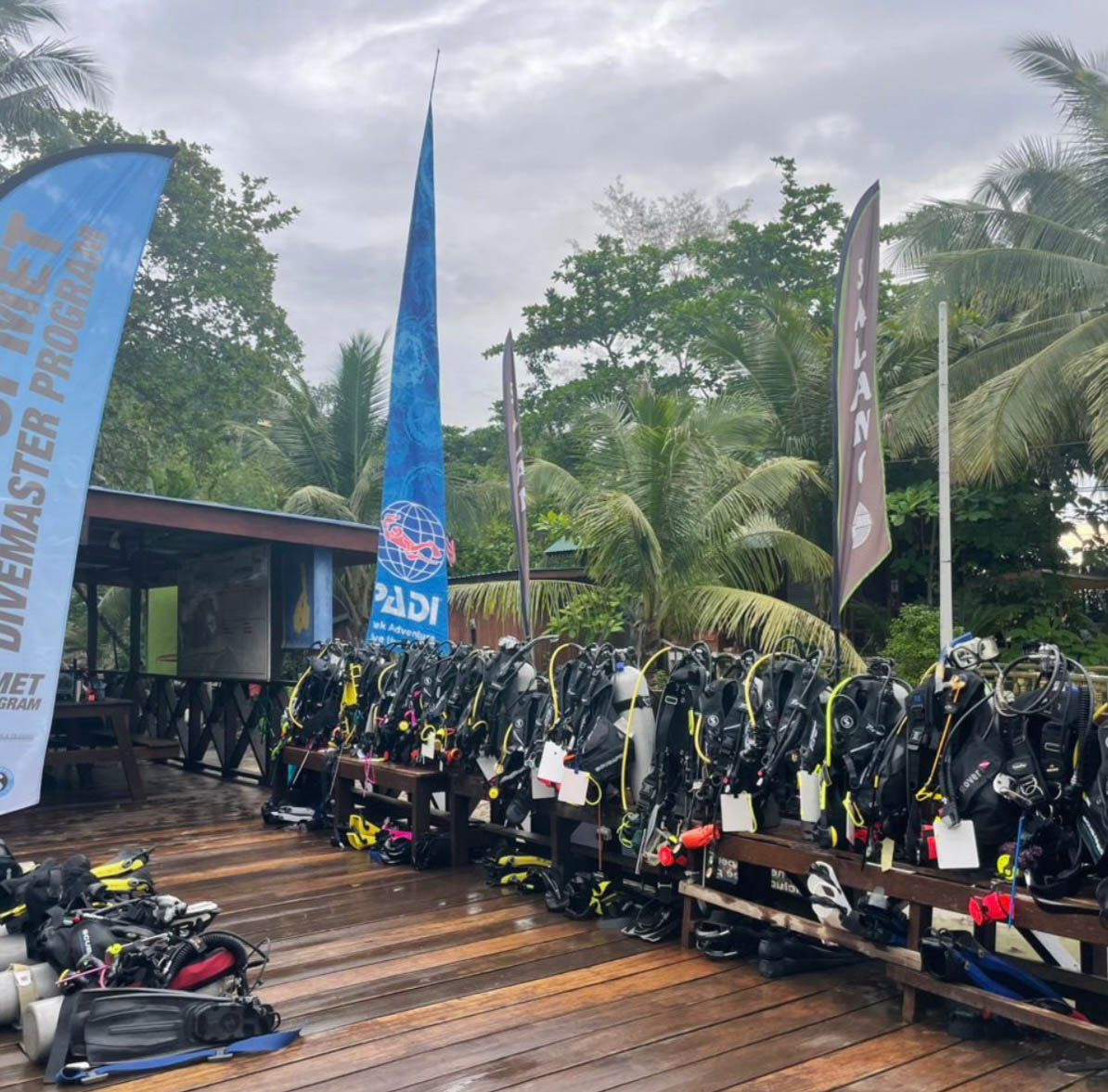
Whenever I return to Salang, there is one dive centre I particularly look forward to visiting: Scubanaut Dive Centre.
I believe in supporting locally operated diving businesses, especially those that contribute to their communities and help people discover the underwater world.
But my connection with Scubanaut goes well beyond choosing a dive operator.
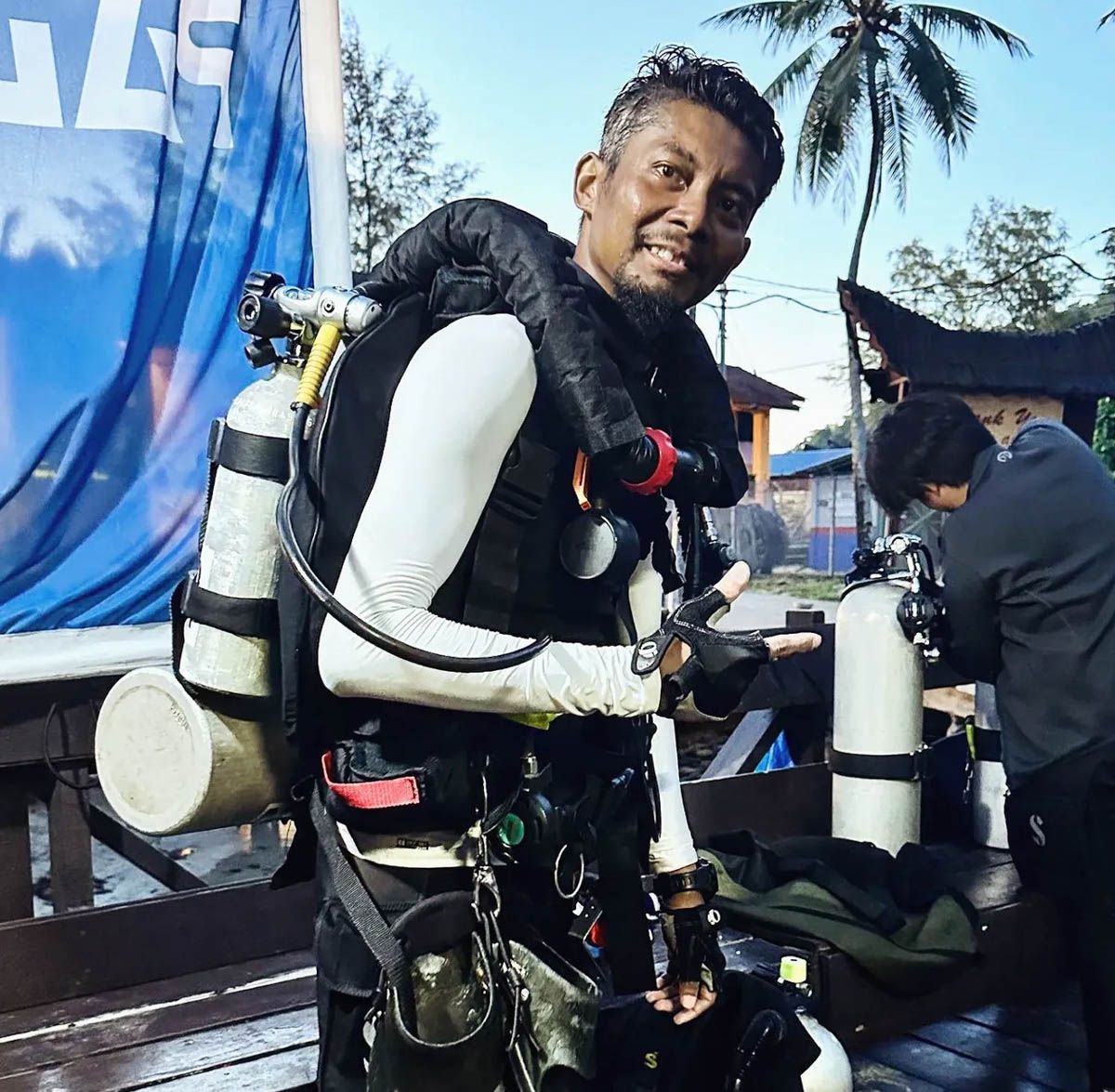
AJ and Panjang have been my guides, dive buddies, mentors and friends.
They were patient with me from my first Discover Scuba Diving experience, helping me develop confidence in the water and encouraging me as my interest in diving grew.
They also helped introduce me to underwater photography.
What began as an opportunity to try scuba diving gradually became something much more important in my life.
And I have to give AJ and Panjang a little credit, or perhaps a little blame, for what happened next.
They are part of the reason DESCEND exists.
As my passion for diving grew, so did my desire to share the experience with other people and help build a community around it.
Looking back, it is remarkable how much influence one island, one dive centre and a few friendships can have.
Without those early experiences in Salang, my journey might have taken a very different direction.
That is why Tioman means so much to me.
It is where my enthusiasm for diving developed into something I wanted to share.
Credit: Courtesy of Shahrul Azwan Azman
Protecting the Reefs That Bring Us Here
The natural environment is one of Tioman’s greatest attractions, but it also needs continued care.
Conservation is an important part of the island’s future, particularly when healthy reefs and marine ecosystems are closely connected to local livelihoods.
Reef Check Malaysia works with communities through its Cintai Tioman programme, supporting activities that include reef monitoring, rehabilitation and environmental education.
These initiatives recognise that conservation cannot be separated from the people who live and work on the island.
On Tioman’s eastern coast, the Juara Turtle Project focuses on sea turtle conservation and related environmental work.
Although Kampung Juara is on the opposite side of the island from Salang, these efforts contribute to the wider protection of Tioman’s natural heritage.
Visitors have a role to play, too.
For divers, that means maintaining good buoyancy, avoiding contact with coral, respecting marine life and following responsible diving practices.
For everyone visiting the island, it means reducing waste, respecting local environments and supporting businesses that take conservation seriously.
We should be able to enjoy the ocean without compromising the experiences available to future generations.
Panjang / @budakbaru_dive
The People Behind the Destination
Ask me what makes Tioman memorable, and I could talk about the reefs, the beaches or the underwater photography.
But eventually, I would come back to the same answer.
It is the people.
From the hospitality I have experienced at Salang Pusaka Resort to my friendships with AJ and Panjang, the people of Kampung Salang have made every return visit feel meaningful.
There is something special about arriving at a destination and recognising familiar faces.
You are no longer simply checking into accommodation and booking dives. You are reconnecting with people who have become part of your story.
That experience has also shaped how I think about tourism.
Visitors should bring more than temporary activity to an island. Their spending can help sustain local accommodation providers, restaurants, dive centres, boat operators and other businesses.
When tourism supports the people who call a destination home, its benefits can extend well beyond the holiday itself.
Looking Towards Tioman’s Future
Like many popular island destinations, Tioman faces the challenge of balancing tourism development with environmental protection.
The island’s long-term planning framework, including the Rancangan Kawasan Khas Gugusan Pulau Tioman 2030, addresses questions surrounding development, infrastructure, conservation and local livelihoods.
One ambition associated with Tioman’s future is the pursuit of recognition under UNESCO’s biosphere reserve programme.
Such recognition would require a formal nomination and approval process. It should not be confused with a designation that has already been awarded.
UNESCO biosphere reserves are intended to bring biodiversity conservation, sustainable development, education and community participation together.
For Tioman, the wider principle is important regardless of whether formal recognition is eventually achieved.
The island’s forests, reefs, marine life and communities are connected. Protecting one without considering the others would miss the bigger picture.
There Is More to Tioman Than Diving
Although scuba diving brought me to Tioman, visitors do not need to be divers to appreciate the island.
There are opportunities for snorkelling, kayaking, swimming, boat excursions, photography and exploring different villages.
Nature walks offer another perspective on the island, while a visit to Kampung Juara can introduce travellers to a different coastal community and its conservation activities.
And sometimes, there is nothing better than finding a quiet place by the sea and enjoying the slower pace of island life.
Not every memorable travel experience needs an itinerary.
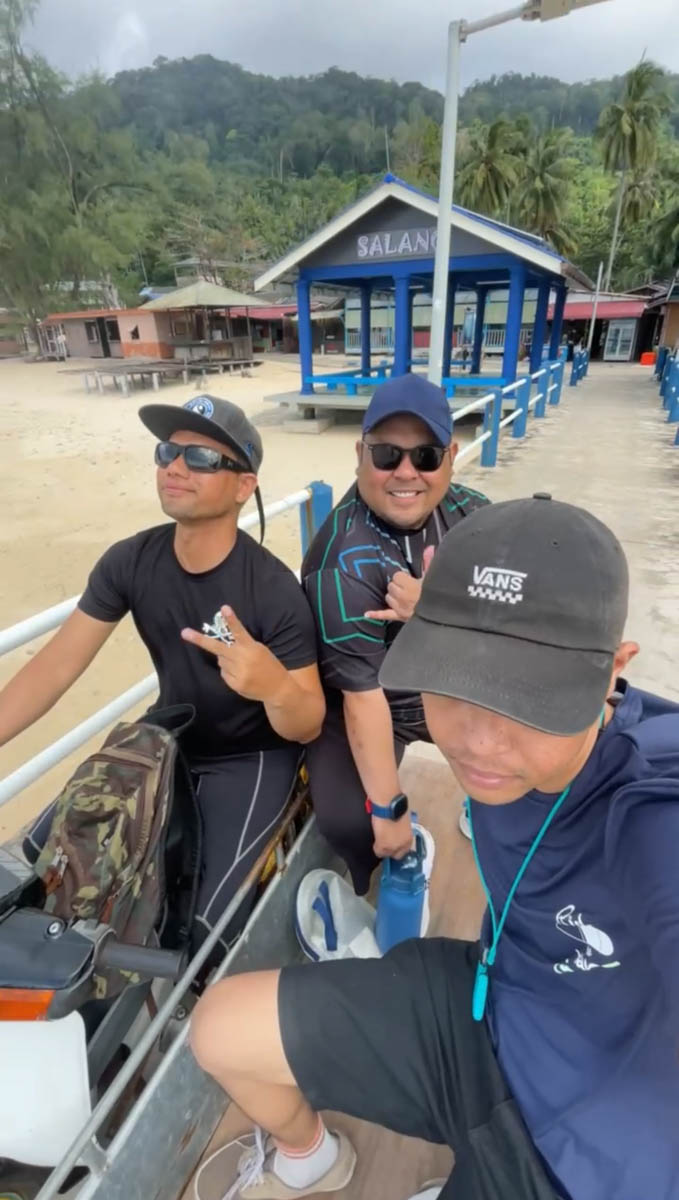
Photo credit: Courtesy of Shahrul Azwan Azman
Come for the Diving, Stay for the People
As the 2026 season draws towards its close, I hope more people will consider Pulau Tioman when planning their travels for 2027.
Whether you are discovering scuba diving for the first time, returning to familiar reefs or simply looking for somewhere beautiful to spend a few days, Tioman has much to offer.
But I would encourage visitors to look beyond the scenery.
Spend time getting to know the people. Support local businesses. Learn about the conservation work taking place around the island. Treat the reefs and beaches with care.
My own journey began in February 2024, during a visit that might not have seemed particularly well timed.
Yet that trip helped shape my passion for diving, introduced me to friendships that continue today and contributed to the creation of DESCEND.
Salang Pusaka Resort, Scubanaut Dive Centre, AJ and Panjang have all become part of that story.
And every time I return, I am reminded why the island made such a strong impression on me.
Tioman does not need to become somewhere else to deserve our attention.
It already has something special.
Come for the diving. Stay for the people. Leave with a reason to return.
Shahrul Azwan Azman is a Malaysian diver and contributor to The Scuba News. His experiences in Tioman helped inspire DESCEND, a project built around his passion for diving and sharing the underwater world.
