




There is something about water that draws us in.

Perhaps it is the sound of waves meeting the shore, the movement of a river, the stillness of a lake, or simply the feeling of warm water around us at the end of a long day. Whatever it is, water seems to offer something that we instinctively seek out — a chance to slow down, breathe and reconnect.
But we don’t all connect with water in the same way. There is no one way to connect with it and we all do it in some form or other.

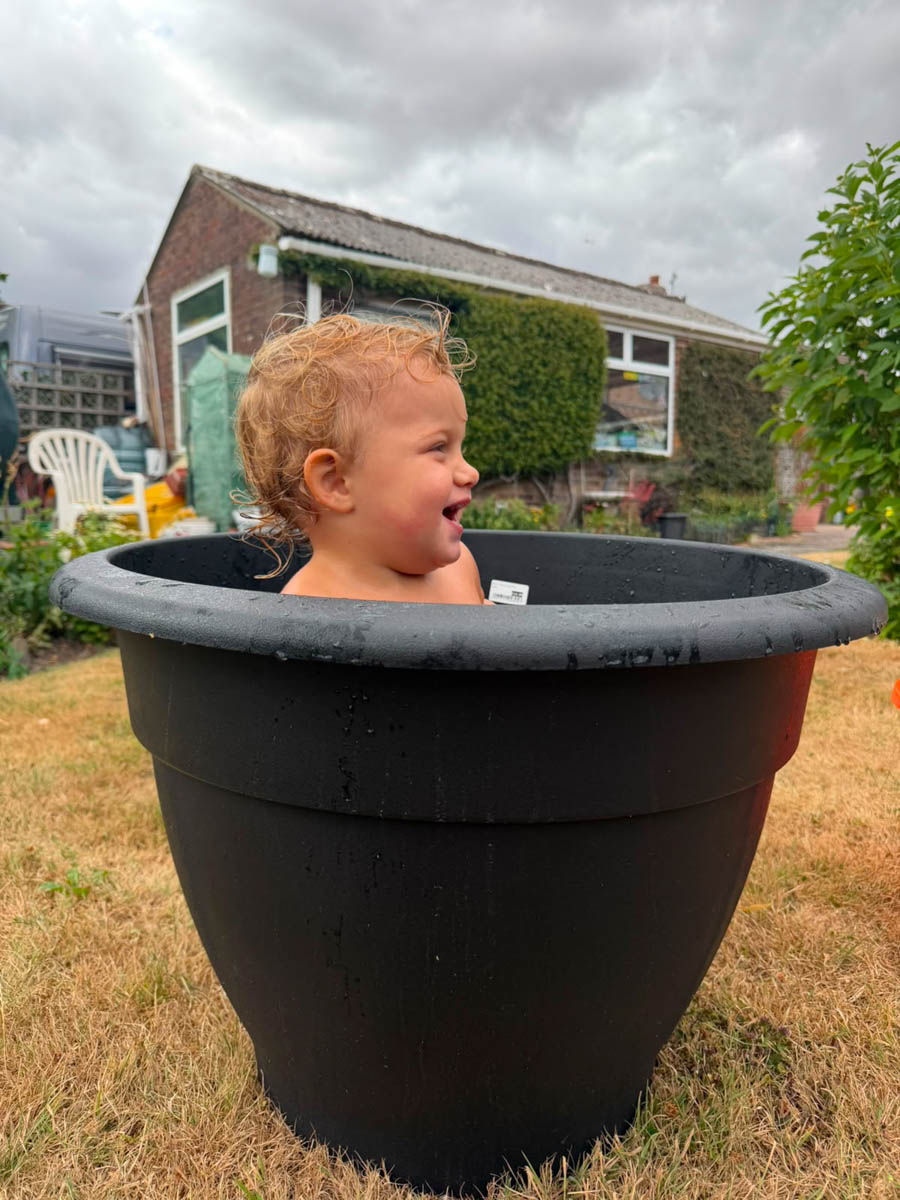
This evening, I watched my two-year-old daughter sit in a bucket of warm water in the end-of-day sunshine after a long day at nursery. She had asked for the bucket herself. There was no prompting, no particular reason and certainly no expectation that she was doing anything therapeutic. She simply wanted to sit in the water. And so she did. She sat there quietly, completely still, relaxing and winding down after her day.
Watching her, I found myself thinking about how instinctively we can be drawn to water.
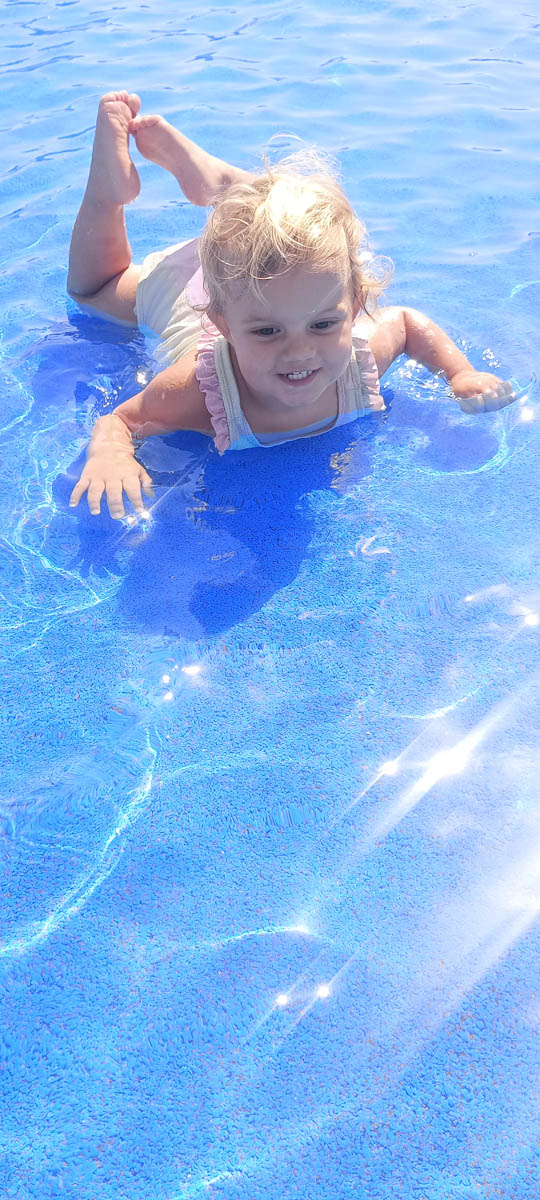
If a two-year-old can recognise, in her own simple way, that sitting in warm water feels good and gives her a moment to relax, perhaps it isn’t so difficult to understand why so many of us develop our own relationship with water as we grow. And actually, our relationship with water begins long before we think about swimming, sailing or any of the other ways we might enjoy it.
We soak in a warm bath when we’re feeling unwell, when our muscles ache or when we simply need some time to ourselves. We step into a shower when we want to feel fresh, awake and ready to face the day. We wash away the day, relax before bed or take a few quiet minutes beneath the running water.
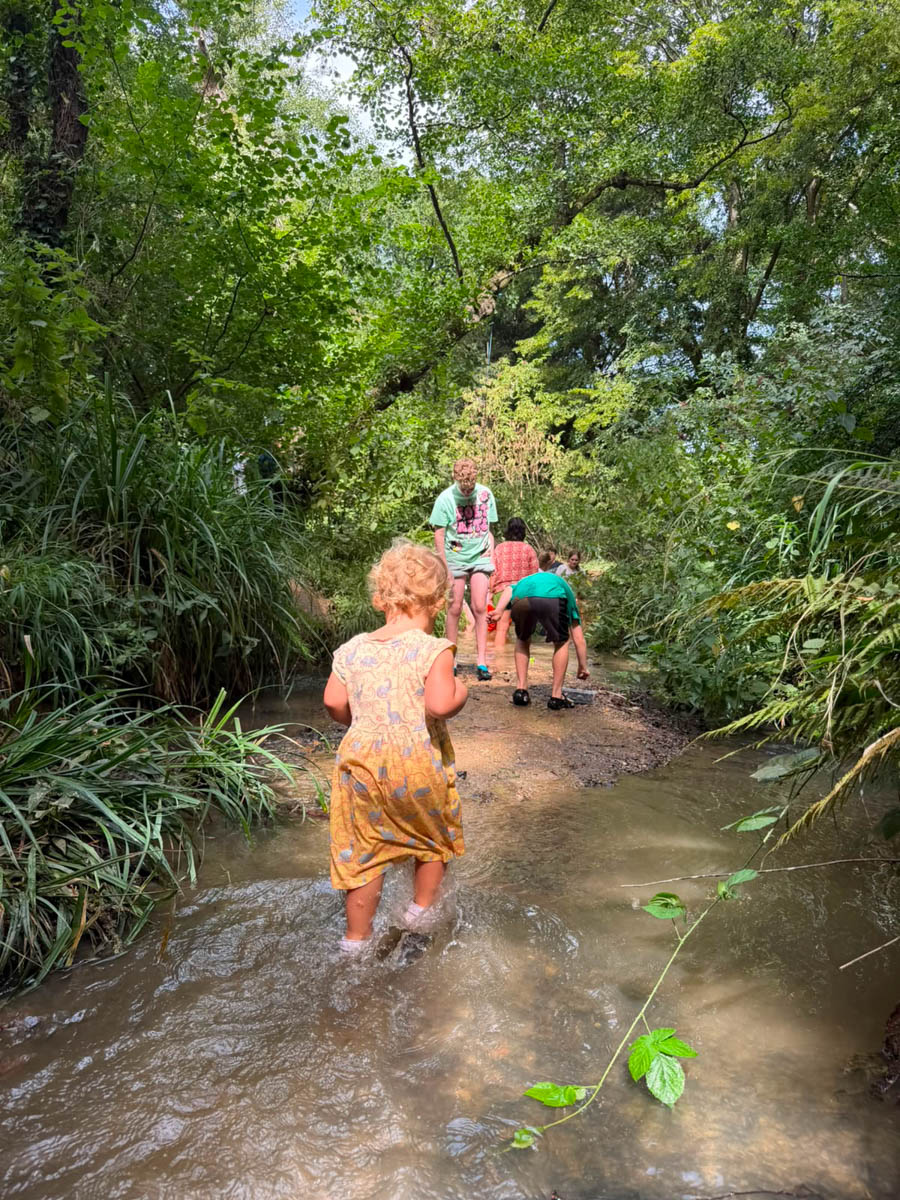
Water is part of so many of our everyday rituals.
Perhaps we don’t always think of these things as a connection with water, but in their own small ways, they are. Our attraction to water isn’t necessarily something new.
For generations, people have looked towards the coast when they needed to feel better. In Victorian Britain, it became increasingly common for people from cities such as London to travel to the seaside in search of fresh air, rest and a change of environment. There was a belief that the sea air, combined with time outdoors and bathing in the sea, could have a restorative effect. Perhaps, they were onto something.
Of course, our understanding of health and wellbeing has changed considerably since then, and we now know that simply breathing sea air isn’t a cure for illness. But the instinct to seek out the coast when we need to pause, recover or escape the pressures of everyday life feels remarkably familiar. Even today, people head towards the sea when they need something different.
Maybe it’s the open horizon. Maybe it’s the sound of the waves. Maybe it’s the feeling of being somewhere away from the noise and demands of everyday life. Or perhaps, like my daughter sitting quietly in her bucket of warm water, sometimes we simply know that being close to water makes us feel good
And those relationships can look completely different.
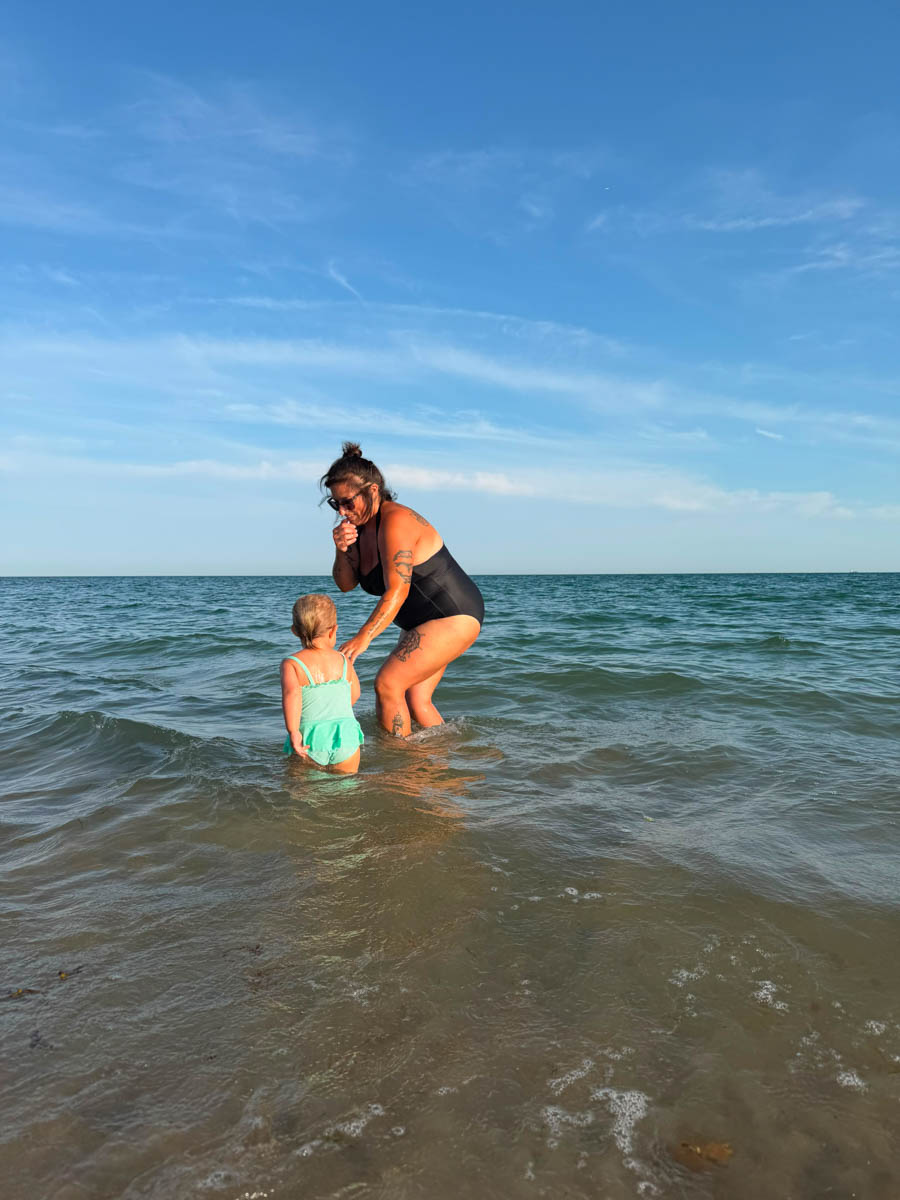
Some people swim in it. Some walk alongside it. Some sail across it, dive beneath it or paddle through it. Others find their connection through snorkelling, paddleboarding, surfing, kayaking, windsurfing or fishing.
Some people love the exhilaration and energy of being in the water, while others would much rather sit beside it and listen to the waves. You don’t have to be an “in-water” person to seek out the benefits of being close to it.
Sometimes, simply being near water can create a sense of calm and space. It gives us somewhere to place our attention, away from the noise of everyday life. We can watch the movement of the water, listen to its rhythm and allow ourselves, even for a few minutes, to simply be present. There is also something magical about simply looking out over the sea.
Watching the sun slowly disappear beyond the horizon, or seeing the moon begin to rise over the water, can make you stop for a moment and just take it all in. The vastness of the sea, the changing light and the endless horizon seem to put everything else into perspective.
You don’t have to be swimming, sailing or doing anything at all. Sometimes just standing there and looking is enough. Perhaps that is another part of our connection with water. It gives us moments of beauty that ask nothing from us other than to be present enough to notice them.
We even see this reflected in the way water is portrayed in our culture.
Think about how often the sea or a beach appears in romantic moments in films. A couple walking hand in hand along the shoreline at sunset. A proposal taking place with the ocean stretching out behind them. Two people sitting together watching the waves, or perhaps saying goodbye on a beach as the sun disappears over the horizon.
Why the beach? Perhaps because water already carries so much emotional meaning for us. The openness of the horizon, the sound of the waves and the sense of being somewhere removed from everyday life can make a moment feel more significant. We seem to instinctively associate water with moments that matter.
It can be a place for romance, adventure, reflection, celebration or escape. It can be where memories are made — holidays with family, first swims, fishing trips, sailing adventures, walks along the shore or quiet moments alone.
Water becomes part of our stories.
And perhaps that is another reason why our connection with it is so personal. We don’t simply experience water; we attach memories, emotions and meaning to it.
I’ve also been following Ice Bath Harry, whose story I find incredibly inspiring.
After years of drug addiction, he began taking daily ice baths as part of his journey. What started as something to help him battle his own struggles has grown into a way of raising awareness, supporting his mental health and creating a little bit of space in each day to stop, breathe and think about life.
What I find particularly inspiring about him is not the idea that an ice bath is some kind of simple answer to addiction or mental health. It is the way he has created a ritual and a moment for himself — something that asks him to stop, be present and face the experience in front of him.
It isn’t necessarily about the ice cold water. It is about creating a moment. For those few minutes, there is little room for anything else. You have to breathe, focus and stay with the experience. It creates a pause between what has happened and what comes next.
His relationship with water is very different from my daughter’s, and very different again from someone who swims in the sea or walks along a river. But perhaps the underlying connection is the same. Water gives us a reason to pause. And maybe that is what makes our relationship with water so interesting. There isn’t one particular way to connect with water, and there doesn’t need to be.
For one person, it might be an early morning swim.
For another, it might be sitting on the beach with a cup of coffee.
It might be a warm bath when your body needs to recover, a shower when you need to feel refreshed, or simply sitting beside the water and watching the world go by.
Or it might simply be a two-year-old asking for a bucket of warm water at the end of a long day because, somehow, she already knows that it feels good.
We all find our own way to connect with it.
What brings one person energy might bring another person peace. What challenges one person might comfort another. Our experiences can look completely different, but the feeling of connection can still be there. It doesn’t ask us to connect with it in a particular way. We can immerse ourselves in it, move across it, stand beside it, listen to it or simply watch it.
And maybe we don’t need to understand exactly why we are drawn to it.
Sometimes we can just allow ourselves to enjoy it.
To stop.
To breathe.
To think.
To play.
To explore.
To reconnect.
Because whether we’re sitting quietly in a bucket of warm water, taking the plunge into an ice bath, soaking in a bath after a long day, swimming in the sea, watching the sun set over it, or simply walking along the shoreline, perhaps we are all doing the same thing in our own way.
Finding a little space to reconnect with ourselves — through our connection with water.
Comments