

Affiliate Disclosure: Some content on The Scuba News may include affiliate links. Find out how this supports our work.
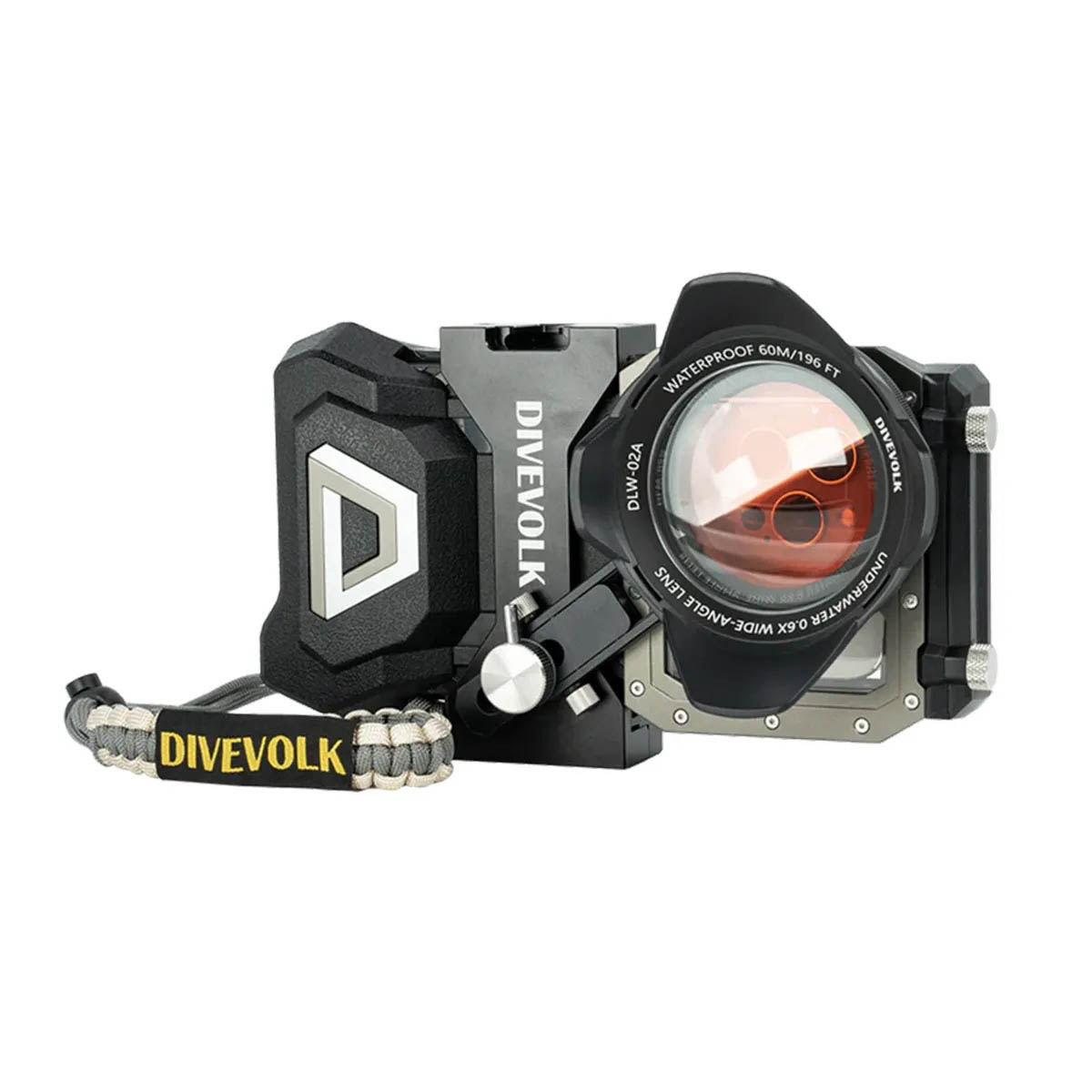
If you want full touchscreen control underwater with a robust 60 metre depth rating, the DIVEVOLK SeaTouch 4 Max is a strong pick. Real divers praise the ease of use, the universal fit for many phones, and the accessory ecosystem. The main compromises are phone loading that takes practice, occasional difficulty pressing the extreme corners of the screen, and the usual care needed to avoid fogging.
Where Divers Are Reviewing It
Most practical insights come from three places. The Ocean Kit page on Scuba.com collects in‑house notes and customer feedback. A large volume of buyer comments is on Amazon. Long‑form conversations with working tips and edge cases live on Reddit’s underwater photography community, plus the brand’s r/DiveVolk.
What Divers Say, Summarised
Touchscreen control is the big win. Divers like using the full phone UI instead of mechanical buttons. Reports mention fewer missed taps after a short learning curve, especially when you increase screen brightness in accessibility settings. See the threads on r/underwaterphotography and buyer notes on Amazon.
Build and depth rating inspire confidence. Users highlight sturdy PC, ABS and aluminum construction and a 60 m rating, with multiple dives logged without leaks when the O‑ring is clean and properly seated. Check the spec details on Scuba.com and the independent overview at Bluewater Photo.
Loading the phone takes a little practice. Several owners note that sliding the tray and closing the back requires a careful, square fit. A few reviewers prefer housings that hinge, but most report it becomes second nature. See community feedback on YouTube and remarks in Reddit threads.
Corners can be less responsive. A recurring comment is that taps at the extreme edges are a bit harder, especially with thicker gloves. Workarounds include increasing touch sensitivity and remapping on‑screen controls. See examples on r/DiveVolk.
Accessory ecosystem adds real value. Many buyers pair the housing with wet lenses and lights. Macro users praise the close‑up optics, while wide shooters recommend the 110 to 130 degree options. Browse kits and lenses on Scuba.com and accessory listings on Amazon.
Customer support gets positive notes. Several Amazon UK buyers mention quick shipping of inserts for new phone models and helpful responses. An example is highlighted on Amazon.
Setup and Compatibility
The housing uses a phone tray with foam or model‑specific inserts, then a compression back with a greased O‑ring. Owners recommend a dry run at home and a dunk test in a sink or bucket before your first dive. The internal volume is small, so silica gel helps. Check fit guidance on Bluewater Photo’s review and the detailed description on Scuba.com.
Phone models. Users report success from older iPhones to current Pro Max sizes. Always verify your exact model and case thickness. DIVEVOLK publishes frequent tray and insert updates and the community often flags tweaks on r/DiveVolk.
Underwater Performance
Touchscreen behaviour. With brightness high and accessibility touch options enabled, the screen is usable down to recreational depths. The membrane transmits presses well, though gloves reduce precision near the screen edges. The absence of physical buttons means video start and focus are on‑screen, so practice the tap sequence topside.
Depth and sealing. The unit is rated to 60 m. Real‑world reports include multiple deep dives without leaks when the O‑ring and latches are kept clean. Before each dive, inspect the O‑ring, remove lint, and avoid hair or sand. If you see micro‑bubbles while dunk testing, re‑seat the back and check the tray alignment.
Fogging control. As with any sealed housing, temperature swings can create condensation. Use fresh desiccant, keep the phone cool and dry before sealing, and avoid leaving the rig in direct sun before a cold entry. Community tips are compiled in forum threads.
Image Quality with Wet Lenses
The native phone camera is capable, yet wet optics expand your options. The macro kit delivers a strong diopter for small critters, and wide adapters reduce distortion compared with budget clip‑ons. For package ideas see the Macro Lens Kit and the Advanced Creator Kit.
Durability and Care
Rinse thoroughly in fresh water after every dive and operate the membrane, latches, and mounts while submerged to flush salt. Dry fully before opening. Grease the O‑ring sparingly with silicone grease and replace it at the first sign of nicks or flattening. Replacement parts and inserts are widely available from Scuba.com and Amazon.
Pros and Cons from Real Users
Pros
- Full touchscreen control underwater, no buttons to learn
- Strong depth rating and solid build
- Universal fit across many phones with inserts
- Good accessory ecosystem for macro and wide
- Helpful customer support and readily available parts
Cons
- Phone loading and back plate closure require careful alignment
- Touch accuracy at the extreme corners is less precise with thick gloves
- Fogging can occur without desiccant and careful prep
- Buoyancy may be slightly negative with some lens setups, consider a float arm
Who It Is For
- New shooters who want the simplest path to good underwater video and photos using their phone
- Travelers who want a compact rig that fits in carry on
- Content creators who value fast sharing and app access between dives
If you prefer physical shutter buttons, or you shoot mostly with heavy wet lenses, consider testing the balance of your rig or exploring button‑based housings.
Alternatives To Consider
- Button‑based smartphone housings for divers who need tactile controls in thick gloves
- Entry mirrorless setups if you want interchangeable lenses and strobes, with the trade‑off of cost and bulk
- Action cameras for rugged simplicity with limited manual control
For a detailed comparison of approach and trade‑offs, see the independent overviews at Underwater Photography Guide and the hands‑on notes by DiveIn.
Buying Tips and Best Value Kits
The Ocean Kit on Scuba.com is a good starting point if you want a ready‑to‑dive bundle. Creators often choose the Advanced Creator Kit for a light and lens in one purchase. If you prefer à la carte, Amazon stocks multiple inserts and accessories, and aggregate reviews on the SeaTouch 4 Max listings help gauge reliability.
Verdict
Real divers like the DIVEVOLK SeaTouch 4 Max because it feels simple and capable. The touch membrane, the depth rating, and the accessory range make it a smart step up from a basic action camera without committing to a full mirrorless rig. If you accept the small learning curve for loading and on‑screen taps, it is an easy recommendation.
