




An investigation into the death of an experienced scuba diver at the ex-HMAS Brisbane wreck has been unable to establish precisely what caused him to become suddenly distressed underwater, although a specialist diving death review panel considered immersion pulmonary oedema the most likely disabling condition.
Robert Norvell Brown, 59, died on 5 May 2023 after taking part in a recreational dive at the ex-HMAS Brisbane wreck site off Queensland’s Sunshine Coast.
Newly published findings from the Coroners Court of Queensland detail an extensive investigation involving Queensland Police, Workplace Health and Safety Queensland, the Queensland Ambulance Service, forensic pathologists and the Dive and Snorkelling Death Review Panel.
Despite those investigations, the initiating medical event could not be conclusively determined.
An Experienced Diver
Brown was a highly experienced recreational diver who had completed more than 500 dives and had previously qualified as both a PADI Divemaster and diving instructor.
Although his diving activity had reduced during the COVID-19 pandemic, he had successfully completed another dive approximately two weeks before the incident.
On the morning of 5 May 2023, Brown joined a recreational dive operated by Scuba World at the ex-HMAS Brisbane.
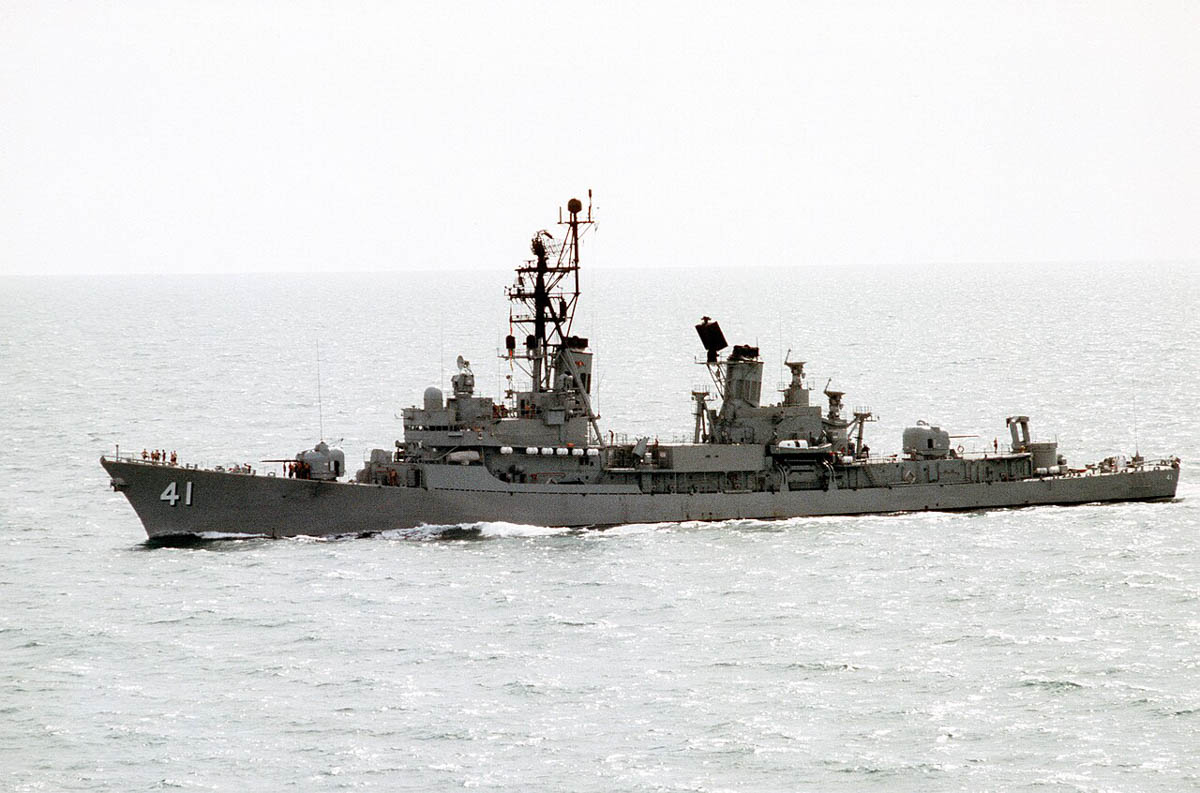
The former Royal Australian Navy warship was deliberately scuttled off the Sunshine Coast in 2005 and has since developed into one of Queensland’s best-known wreck diving sites. The Queensland Parks and Wildlife Service describes the wreck as lying in approximately 28 metres of water, around 9km offshore.
The dive initially proceeded without apparent difficulty.
At a depth of approximately 14 to 15 metres, however, Brown was observed swimming rapidly towards the transit line while breathing heavily and appearing distressed.
Divemaster Christopher Maxwell intercepted him at approximately 12 metres.
Brown’s equipment was checked and he was found to have an adequate air supply. His alternate regulator was also functioning. At that stage, he remained conscious and responsive.
He was then assisted towards the surface.
Witnesses subsequently reported that Brown clutched his chest and became increasingly unwell during the ascent.
After reaching the surface, he vomited, lost consciousness and entered cardiorespiratory arrest.
CPR and oxygen were commenced and emergency services were contacted. Brown was eventually transferred to Sunshine Coast University Hospital following prolonged resuscitation efforts.
He died later that day after suffering severe hypoxic-ischaemic brain injury and multiorgan failure.
Equipment Failure Ruled Out
Investigators examined Brown’s scuba equipment and breathing gas as part of efforts to determine what had happened.
The examination found slightly increased breathing resistance in his primary second-stage regulator, but investigators concluded that it remained functional and that the issue was insufficient to explain his collapse.
His breathing gas also complied with the relevant Australian standard.
Brown’s dive computer recorded a maximum depth of approximately 19.5 metres and generated a warning indicating an ascent rate exceeding 10 metres per minute.
That raised the possibility of diving-related conditions including decompression illness and pulmonary barotrauma, but neither provided a conclusive explanation for the distress that had begun before his ascent.
Queensland Police found no suspicious circumstances, criminal conduct or significant equipment failure.
Workplace Health and Safety Queensland also found no inadequate supervision, deficient training, equipment failure, emergency preparedness failure or statutory breach attributable to the dive operator.
Medical Cause Remained Uncertain
Post-mortem examination found that Brown had an enlarged heart consistent with chronic hypertensive changes, together with mild-to-moderate coronary artery disease.
However, investigators found no acute myocardial infarction, coronary thrombosis or other cardiac abnormality sufficient to conclusively explain his sudden deterioration.
Post-mortem imaging also identified widespread intravascular gas, making decompression illness another potential consideration. Pulmonary barotrauma could not be completely excluded either.
Ultimately, the certified cause of death was recorded as multiorgan failure due to cardiorespiratory arrest of unknown aetiology while scuba diving, with hypertension and coronary atherosclerosis listed as contributing conditions.
Panel Considered Immersion Pulmonary Oedema Most Likely
The case was subsequently considered by Queensland’s Dive and Snorkelling Death Review Panel.
Following its review, the Panel considered immersion pulmonary oedema, or IPO, to be the most likely disabling condition preceding Brown’s collapse.
That conclusion was based on factors including the sudden respiratory distress he experienced underwater, his hypertension and coronary atherosclerosis, physical exertion and his use of the beta blocker atenolol.
However, the finding is an important distinction rather than a definitive diagnosis.
Forensic pathologists considered IPO one of several plausible mechanisms, while the specialist diving panel considered it the most likely explanation. The evidence was not sufficient to establish that it was definitively the initiating event.
Divers Alert Network describes immersion pulmonary oedema as a potentially serious condition in which fluid accumulates in the lungs during immersion. Factors associated with the condition can include the physiological effects of immersion, exertion, thermal stress and increased breathing resistance.
Symptoms can include sudden breathing difficulty, chest discomfort, coughing, wheezing and pink or frothy sputum. The condition can occur while a diver is still at depth or around the time they reach the surface.
Hypertension is among the factors associated with increased susceptibility to IPO.
The condition can also be difficult to distinguish from other diving emergencies, particularly when reconstructing a fatal incident after the event.
Emergency Response Also Examined
The investigation considered the response aboard the dive vessel.
Four divers remained underwater when Brown was brought to the surface and initially did not respond to the vessel’s recall signal. This meant the vessel could not immediately leave the site while Brown was receiving emergency treatment.
The coroner did not find that this contributed to Brown’s death.
However, the Dive and Snorkelling Death Review Panel identified several areas that could warrant broader consideration across recreational diving operations.
These included procedures allowing divers to be recalled safely and quickly during an emergency, whether a dive supervisor should accompany a distressed diver to the surface, standardised methods for requesting assistance from other vessels at popular dive locations, and site-specific arrangements for retrieving or evacuating casualties.
The findings emphasised that these were prospective public-safety observations rather than evidence that the operator had caused or contributed to Brown’s death.
No Inquest to Be Held
Coroner Wayne Pennell determined that an inquest would not be held.
The extensive multidisciplinary investigation had exhausted the reasonably available evidence, and the coroner concluded that a formal inquest was unlikely to resolve the remaining uncertainty surrounding the medical event that caused Brown’s initial distress.
Brown’s wife had also indicated that she did not wish for an inquest to take place.
The findings recognised the efforts of the divers, crew and emergency personnel who attempted to save Brown and acknowledged the effect of his death on his family.
Three years after the fatal dive, the precise chain of medical events remains unresolved.
But the investigation has highlighted a condition that continues to receive increasing attention within diving medicine, while also raising wider questions about how dive operations can respond when a serious medical emergency develops offshore.
Comments







_during_PITCH_BLACK_84.jpg)