



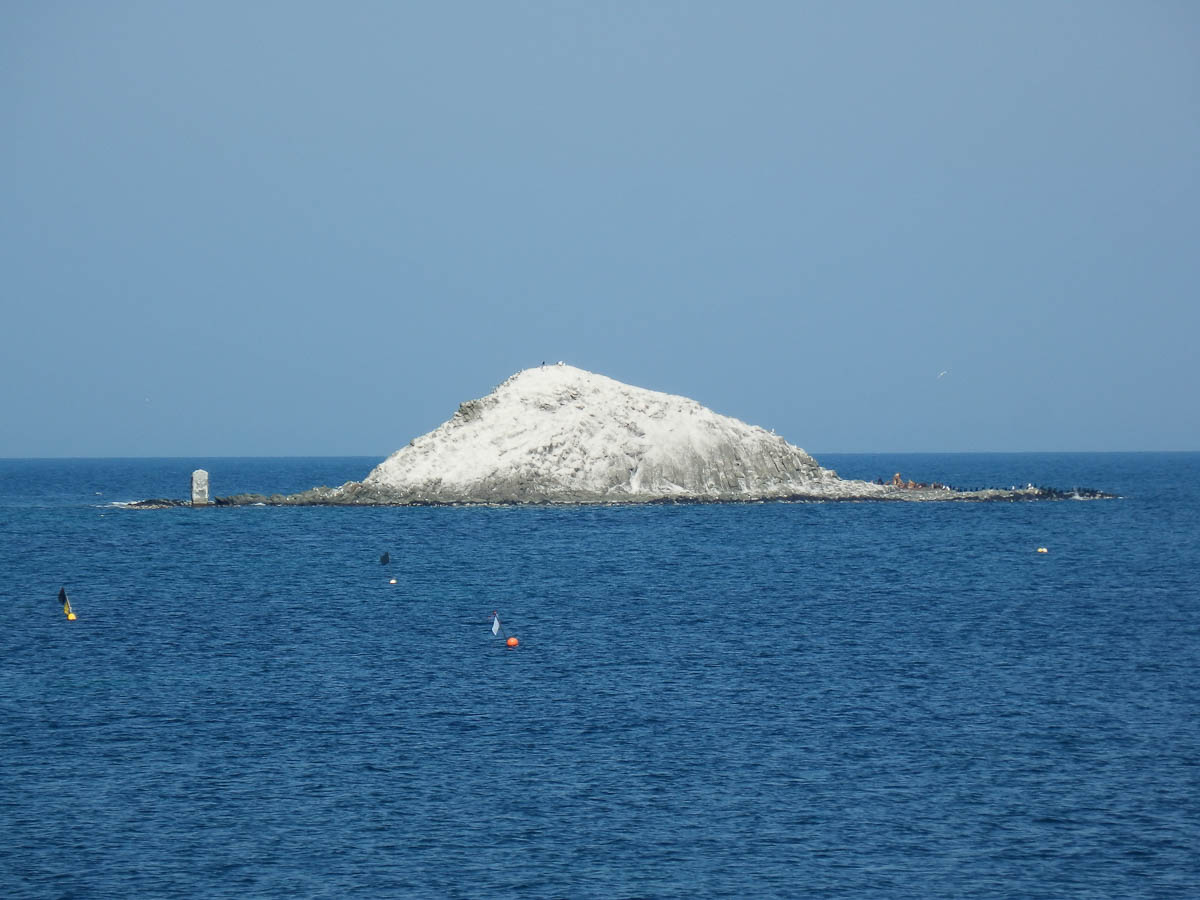

Nine recreational divers were swept away by strong currents during a cold-water dive off Benten Island near Wakkanai, in northern Japan, prompting a full-scale rescue response.
According to reporting from Mainichi Shimbun, citing Japan’s Kyodo News agency, the group became separated from their exit point and drifted offshore in challenging conditions before emergency services were alerted.

The incident took place on April 4, in waters off Hokkaido, an area known for its cold temperatures and dynamic currents, conditions that can quickly escalate risk even for experienced divers.

Search and rescue launched in cold, fast-moving water
Japan Coast Guard units were deployed after the divers failed to return as expected. All nine individuals were later located and recovered safely.
While no serious injuries were reported, the situation had clear potential for escalation. Cold-water exposure, combined with drift and delayed pickup, can rapidly lead to exhaustion, hypothermia, and loss of situational control.

Cold water and currents, a high-risk combination
Diving in northern Japan presents a very different risk profile compared to tropical destinations.
Water temperatures in this region can sit just a few degrees above freezing, dramatically reducing safe exposure times. At the same time, coastal currents around Hokkaido are known to shift quickly, making precise navigation and surface coordination essential.
When those two factors combine, even a minor navigation error or delayed pickup can turn into a serious drift incident within minutes.
What likely went wrong
While a full official breakdown has not been released, the scenario points to a familiar chain of events:
- Divers lose position relative to exit or pickup point
- Surface support struggles to maintain visual or GPS contact
- Currents increase drift speed beyond expectations
- Time to recovery extends, increasing exposure risk
This pattern is not uncommon in colder, current-prone environments, where conditions are less forgiving and margins for error are significantly smaller.
Lessons for divers and operators
Incidents like this highlight the importance of preparation and redundancy rather than any single point of failure.
Delayed surface pickup remains one of the most common escalation triggers in drift diving. In colder water, the consequences are amplified.
For divers, this reinforces the value of:
- Reliable surface signalling equipment
- Clear pre-dive drift and pickup planning
- Conservative decision-making in unfamiliar or dynamic conditions
For operators, it underscores the need for:
- Tight diver tracking protocols
- Real-time surface monitoring
- Clear contingency planning when conditions change
A safe outcome, but a clear warning
All nine divers were recovered safely, and the outcome could have been far worse given the environment.
What this incident ultimately shows is not just that things can go wrong, but how quickly they can escalate when cold water and current combine.
For the wider diving community, it serves as a timely reminder that even routine dives demand respect for conditions, especially in regions where nature offers very little margin for error.
Comments