




For many divers, the first descent into a kelp forest feels almost surreal. Shafts of sunlight pierce through towering fronds that sway gently with the surge, creating the illusion of drifting through a living cathedral. Yet beyond the beauty lies a complex ecosystem that rivals tropical reefs in biodiversity and ecological importance. Life beneath the kelp forests is not just abundant, it is foundational to coastal oceans around the world.
A Forest Built by Algae
Kelp forests are often compared to terrestrial woodlands, but the towering “trees” are actually giant brown algae. According to the science resources from NOAA’s Office of National Marine Sanctuaries, these underwater forests provide food, shelter, and protection for a remarkable range of marine species, from fish and invertebrates to seals, sea lions, and seabirds. Their structure creates multiple layers, including canopy, mid-water, and seafloor zones, allowing different animals to occupy distinct niches within the same habitat.
Unlike slow-growing corals, kelp can grow at astonishing speeds. Information from NOAA Ocean Service explains that under ideal conditions giant kelp may grow up to 18 inches per day, forming dense underwater towers that stretch from rocky seabeds toward the surface. This rapid growth fuels one of the most productive ecosystems in the ocean, transforming sunlight and nutrients into biomass that supports entire food webs.

Globally, kelp forests occur along temperate coastlines where cool, nutrient-rich waters allow them to thrive. Research highlighted in a study published via Frontiers in Marine Science notes that these habitats exist across a significant proportion of coastal marine ecoregions and rank among the most diverse and productive marine environments on Earth.
A Living Habitat Full of Movement
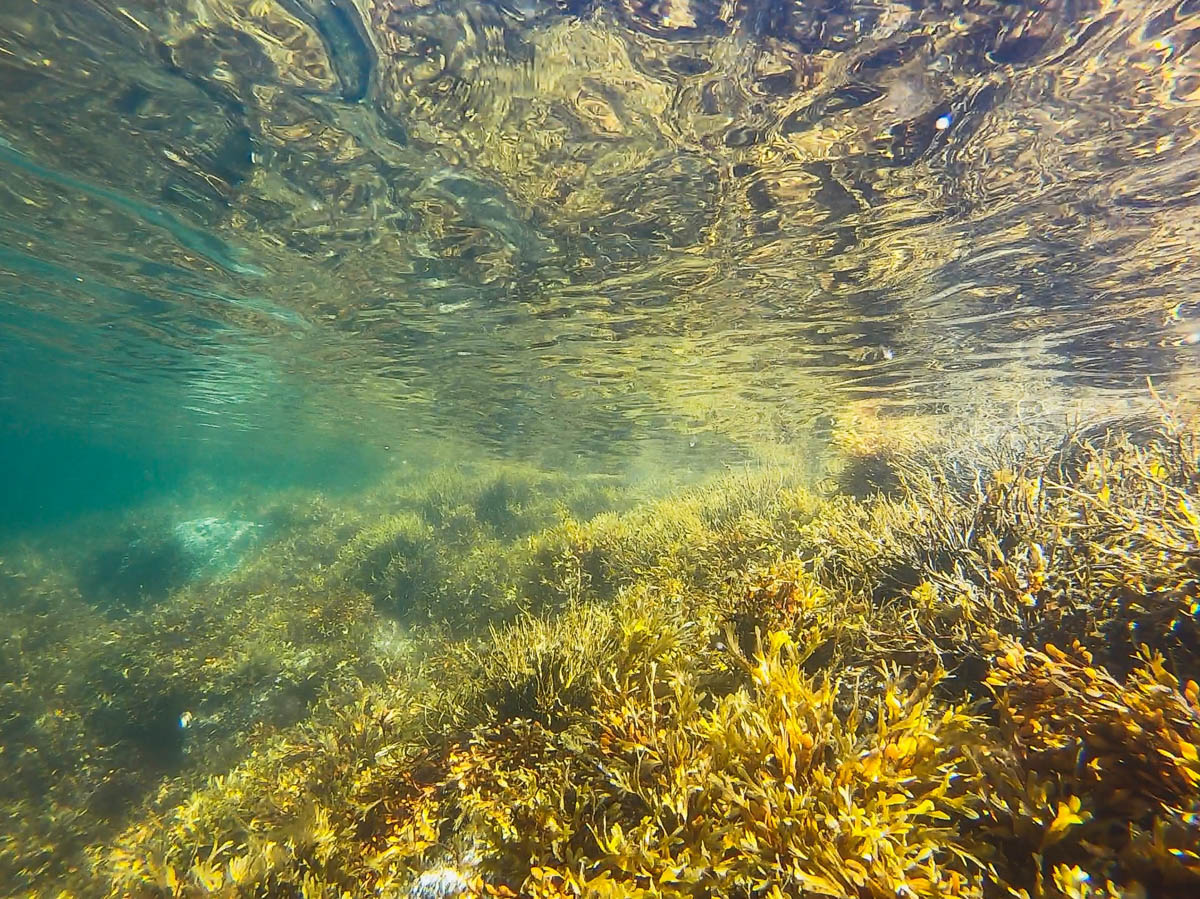
Descending into a healthy kelp forest reveals a constantly shifting environment. Schools of fish dart through fronds, crustaceans cling to holdfasts, and sea stars patrol the rocky bottom. Educational material from the Smithsonian Ocean Portal describes how kelp forests provide refuge for species such as crabs, sea stars, and reef fish, which shelter among the blades to avoid predators and rough conditions in the open ocean.

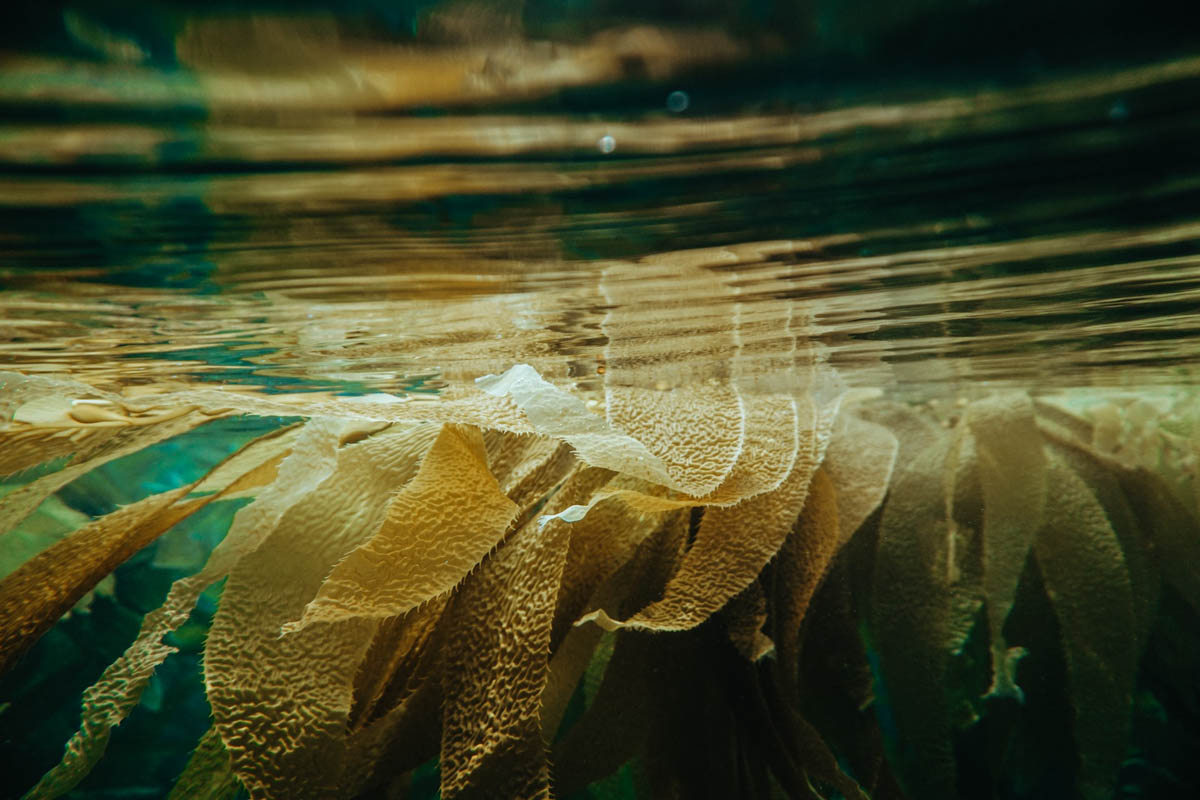
For divers, the experience is immersive. The canopy filters light, creating a golden-green glow that changes with the time of day and water clarity. Surge moves the kelp in slow motion, giving the impression that the forest itself is breathing. Many animals use this constant motion as camouflage, blending seamlessly into the environment.
From an ecological perspective, kelp forests act as “foundation species” habitats. Large brown algae create structure where none previously existed, enabling entire communities to form. Fish use the forest as a nursery, marine mammals hunt among the fronds, and invertebrates graze on the algae and the smaller organisms that colonize it.
Why Kelp Forests Matter Beyond Diving
The importance of kelp forests extends far beyond recreational diving or photography. Scientists increasingly recognise them as critical players in climate resilience and coastal protection. Research discussed by the World Resources Institute highlights how kelp habitats support fisheries, sustain local economies, and help maintain biodiversity while absorbing carbon and nutrients from surrounding waters.
Studies examining ecosystem services, such as those published through PMC’s open-access marine research database, emphasise that kelp forests contribute to carbon cycling, oxygen production, and the health of commercially important species like lobsters and abalone. Some conservation organisations even refer to kelp as “blue carbon” ecosystems due to their ability to capture and store significant amounts of carbon compared with many terrestrial habitats.
In addition to ecological value, kelp forests can reduce coastal erosion and dampen wave energy. Information from NOAA Coastal Science describes how canopy-forming kelp can help buffer shorelines against storms while supporting local communities through fisheries and tourism.
The Changing Face of Underwater Forests
Despite their resilience, kelp forests are under pressure worldwide. Rising sea temperatures, marine heatwaves, pollution, and overgrazing by species such as sea urchins have caused significant declines in some regions. A conservation overview from The Nature Conservancy explains that kelp forests store vast amounts of carbon and support coastal economies, yet warming oceans and ecosystem imbalance threaten their future.
Scientific research also points to shifts in kelp distribution linked to climate change. Studies exploring the global range of giant kelp via journals hosted on MDPI Remote Sensing indicate that these forests occupy temperate and subpolar coastlines worldwide, from California and Chile to South Africa and New Zealand. However, changing ocean conditions may alter where these ecosystems can survive in the coming decades.
Kelp forests are dynamic by nature. Storms can tear entire canopies away, and seasonal cycles reshape the landscape year after year. Yet human-driven stressors can push the ecosystem beyond natural recovery, turning once-thriving habitats into barren seascapes dominated by grazing species.
Experiencing Kelp Forests as a Diver
For divers, kelp forests offer a completely different sensory experience compared with coral reefs. Visibility can vary dramatically depending on plankton blooms and surge, and navigation requires awareness of buoyancy and entanglement risks. But the reward is an intimate encounter with marine life that feels wild and untamed.
California’s Channel Islands, British Columbia’s coastal waters, South Africa’s Cape Peninsula, and parts of southern Australia are among the world’s most iconic kelp forest destinations. Each region hosts its own blend of species, from playful sea lions weaving through fronds to shy wolf eels lurking beneath rocky ledges.
Photography opportunities are exceptional, particularly when sunlight penetrates the canopy at shallow depths. Wide-angle lenses capture the scale of towering kelp, while macro shooters can focus on nudibranchs, shrimp, and juvenile fish hiding within the understory.
A Future Worth Protecting
Kelp forests have existed for millions of years, shaping coastal ecosystems long before modern divers explored them. They are fast-growing, adaptable, and capable of remarkable recovery under the right conditions. Yet their survival depends on balanced ecosystems and responsible stewardship of the oceans.
Understanding life beneath the kelp forests reminds us that these environments are more than scenic dive sites. They are complex, living systems that connect climate, biodiversity, and human communities in ways we are only beginning to fully understand.
For divers descending through swaying fronds, the experience is unforgettable. But beyond the beauty lies a deeper story, one of resilience, vulnerability, and the intricate relationships that make the ocean thrive.
Comments