




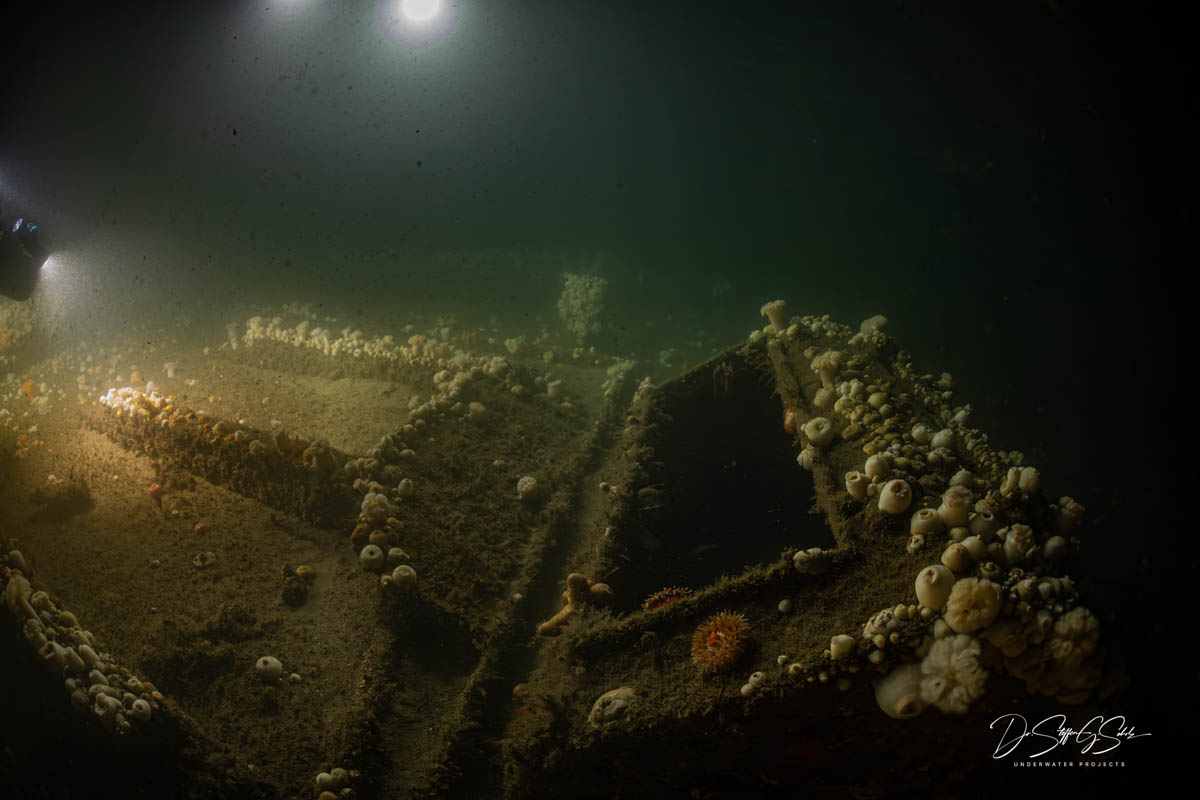
A century-old mystery beneath the North Channel has finally been solved. A community-led team of British technical divers has confirmed the identity of the HMS Bayano, a Royal Navy armed merchant cruiser sunk by a German U-boat during the early months of World War I.
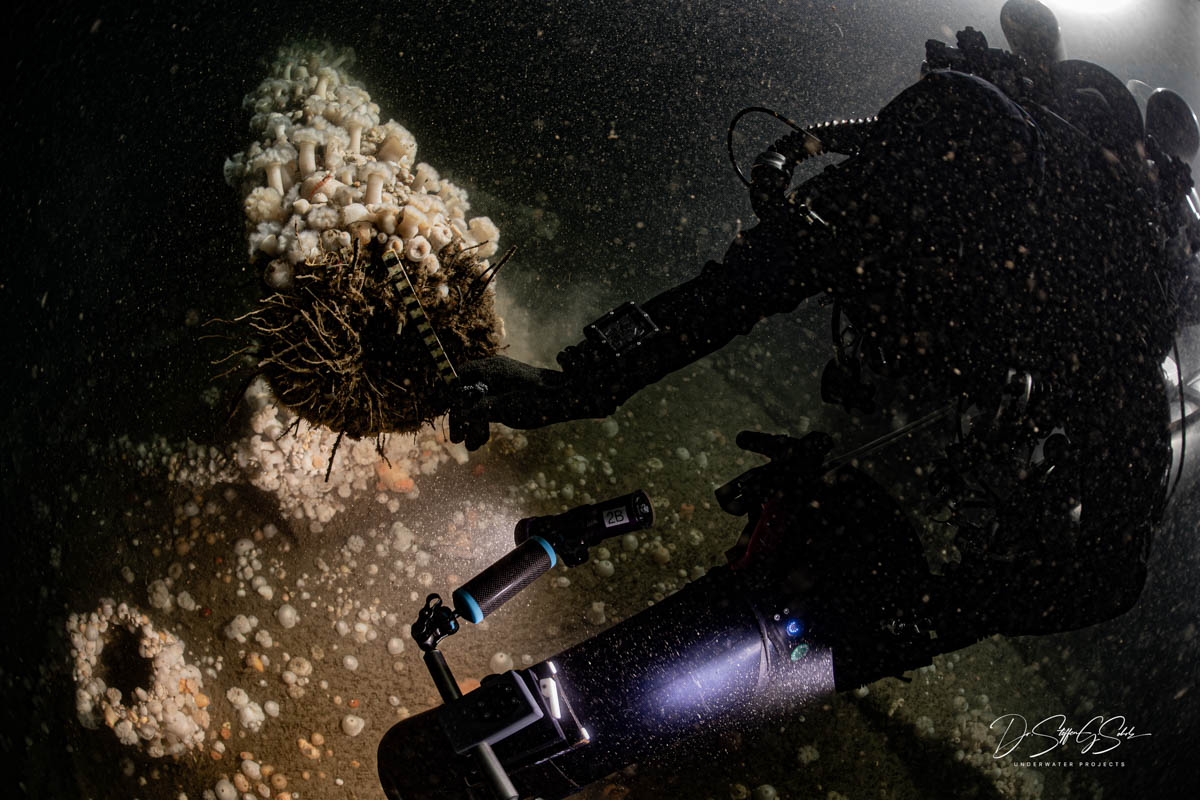
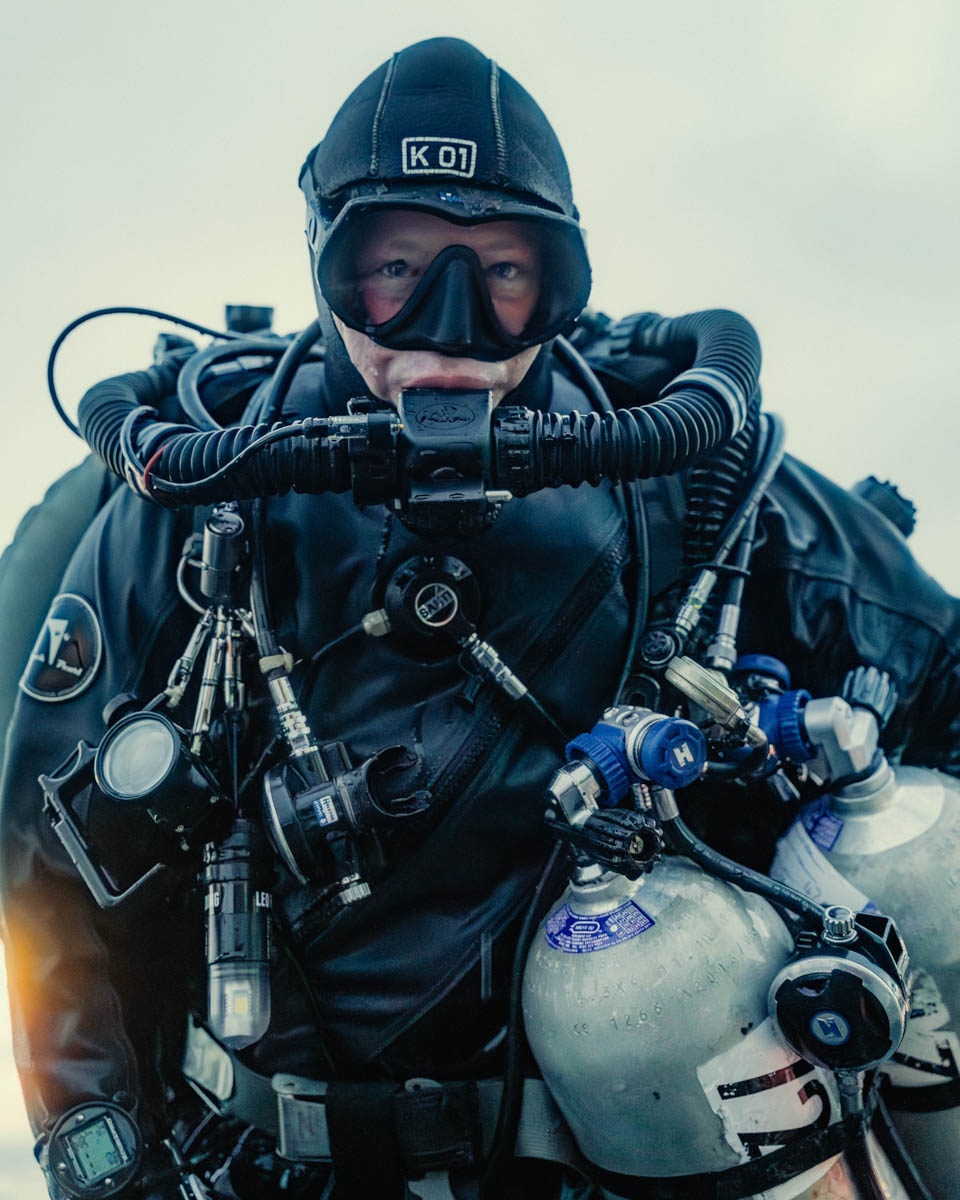
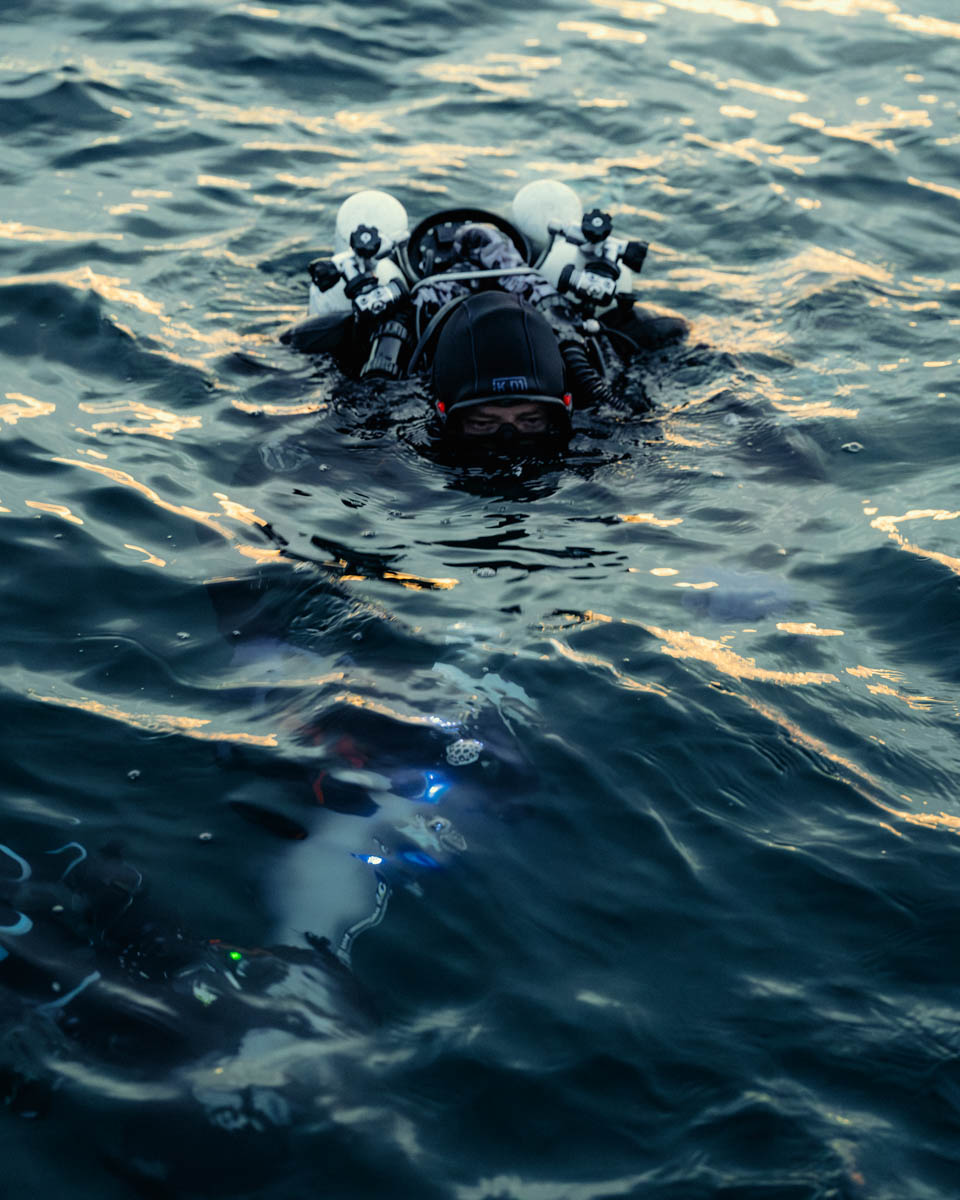
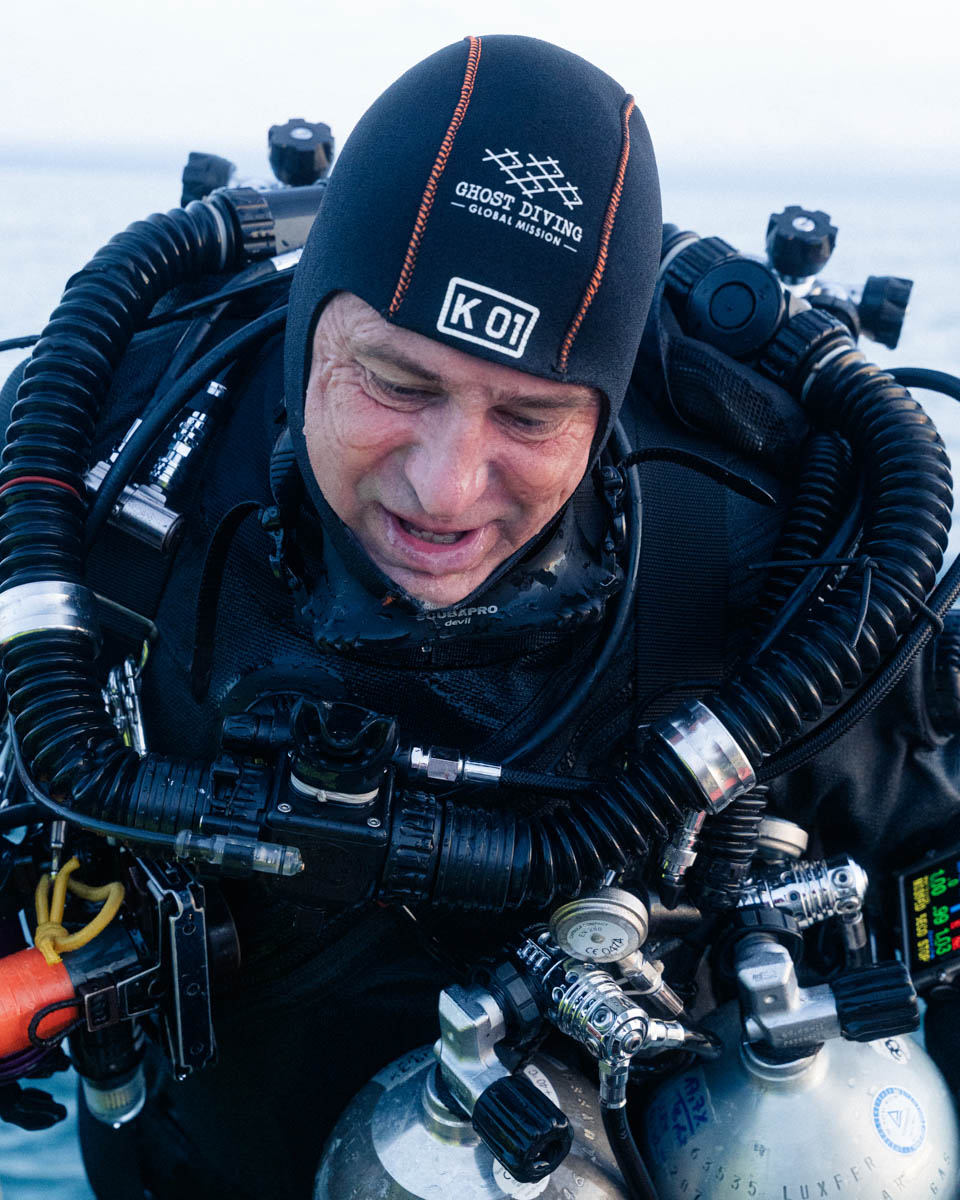
According to ProjectXplore, the group behind the discovery, months of archival research, sonar mapping, and deep technical dives off the Galloway coast led to the confirmation. The wreck, resting at a depth of around 106 metres in the North Channel between Scotland and Northern Ireland, matches the vessel’s layout and features in striking detail.
Co-organiser Leo Fielding told STV News the team was “confident that we have conclusively identified the wreck of HMS Bayano.” Two six-inch guns, refrigeration-plant remains, and the ship’s single-funnel merchant design all correspond precisely to historical records.
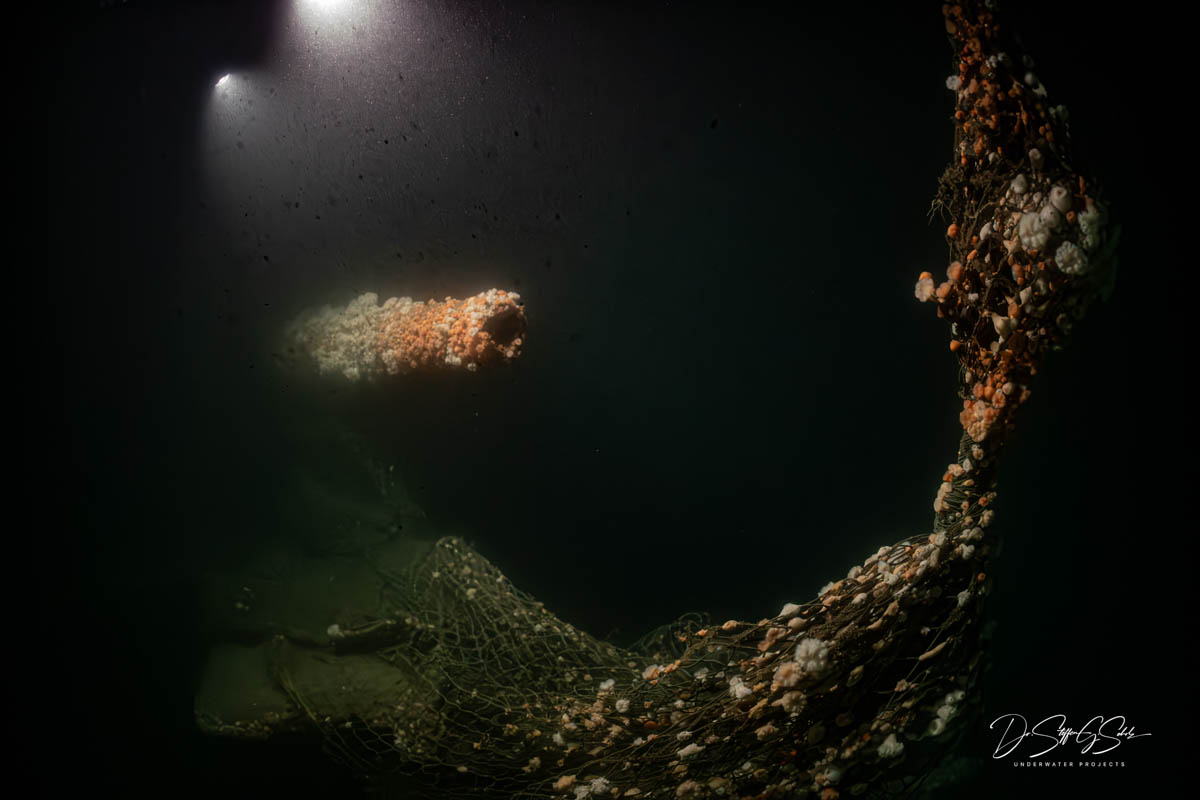
Built as a refrigerated fruit carrier for Elders & Fyffes, Bayano was requisitioned by the Royal Navy in 1914 and converted for patrol and blockade duties. On 11 March 1915, she was torpedoed by U-27 while on patrol near Stranraer, sinking within minutes and taking nearly 200 crew with her. Only 26 men survived.
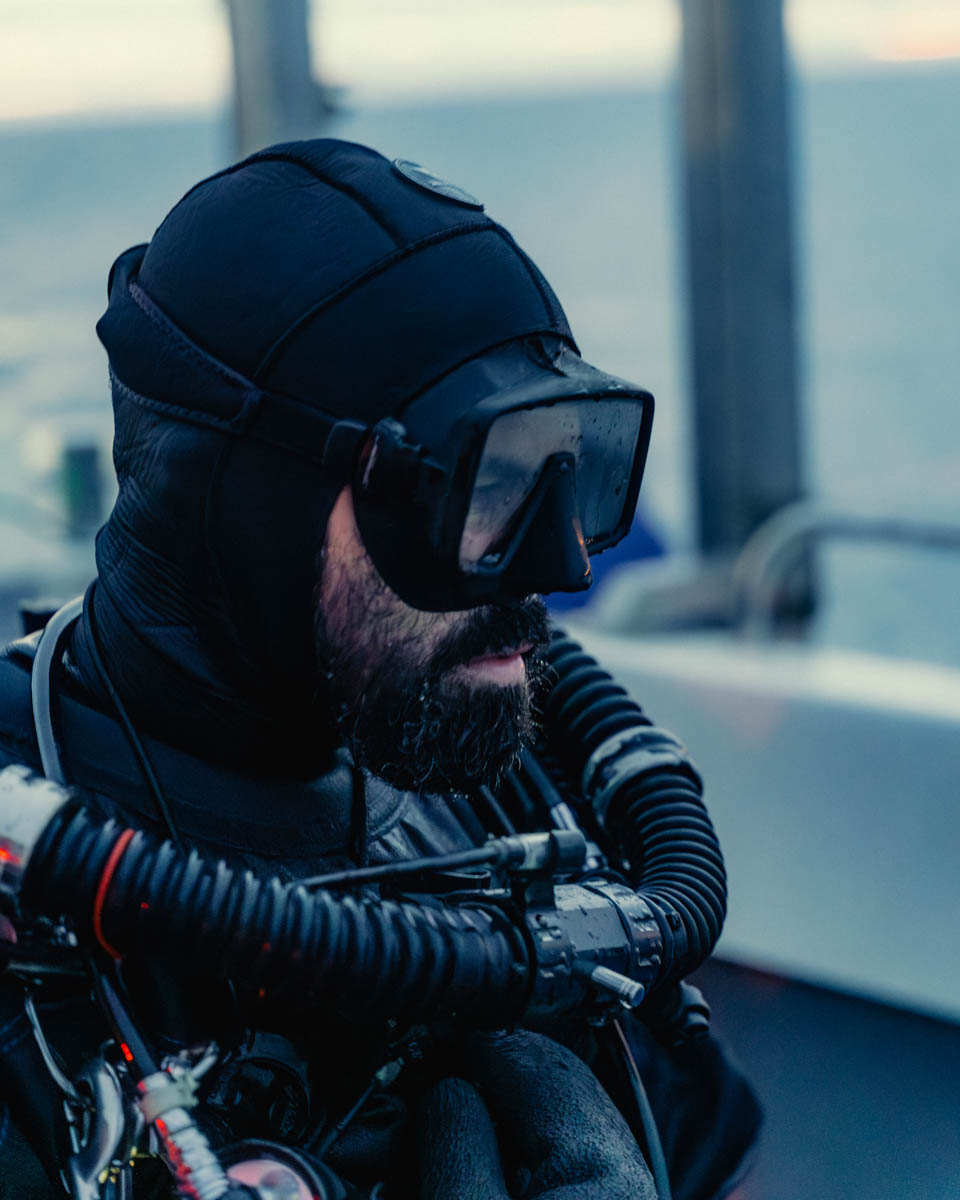
ProjectXplore diver Dr Steffen Scholz explained to The Maritime Executive that the identification was based on “multiple indicators, not just one image,” including precise measurements, deck gun locations, and railing patterns visible in their imagery. Fellow diver Daniel McMullen described the find as both “a moment of discovery and of remembrance,” while Alexandra Pischyna called the wreck “remarkably intact, an exceptional piece of underwater heritage.”
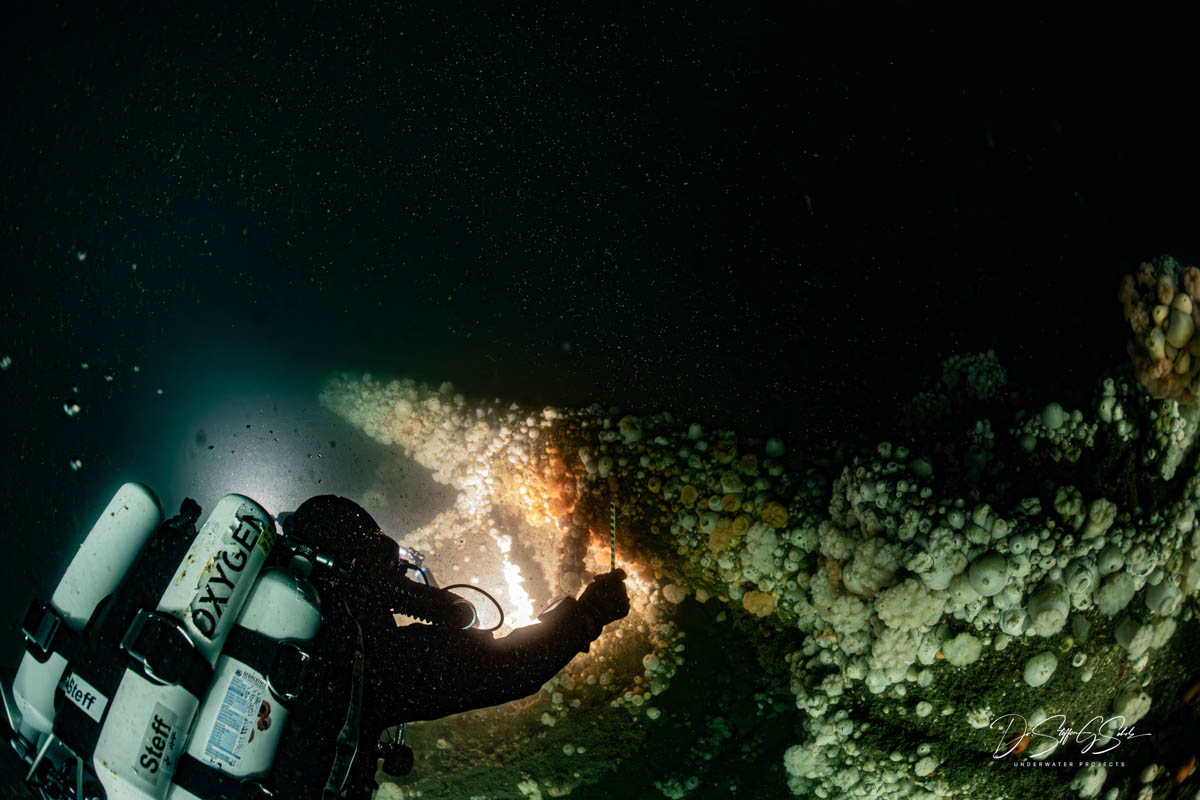
Local outlet DGWGo News noted that the discovery adds to Scotland’s growing catalogue of wartime heritage sites, with researchers emphasising the importance of preservation and commemoration.
The Historical Context
Originally built in 1913 as a refrigerated fruit carrier for Elders & Fyffes, Bayano was requisitioned by the Royal Navy in November 1914 and converted into an armed merchant cruiser for the Northern Patrol’s blockade duties.
At dawn on 11 March 1915, Bayano was torpedoed by German submarine U-27 about ten nautical miles west of Corsewall Lighthouse, Galloway. The ship sank within five minutes, catching most of her crew asleep. Nearly 200 lives were lost, including Captain Henry Carr; only 26 men survived.
Bodies washed ashore on the Isle of Man and along the Scottish coast, where mass funerals were held. Among the dead were members of the Royal Naval Reserve from Newfoundland, a loss still remembered in maritime communities today.
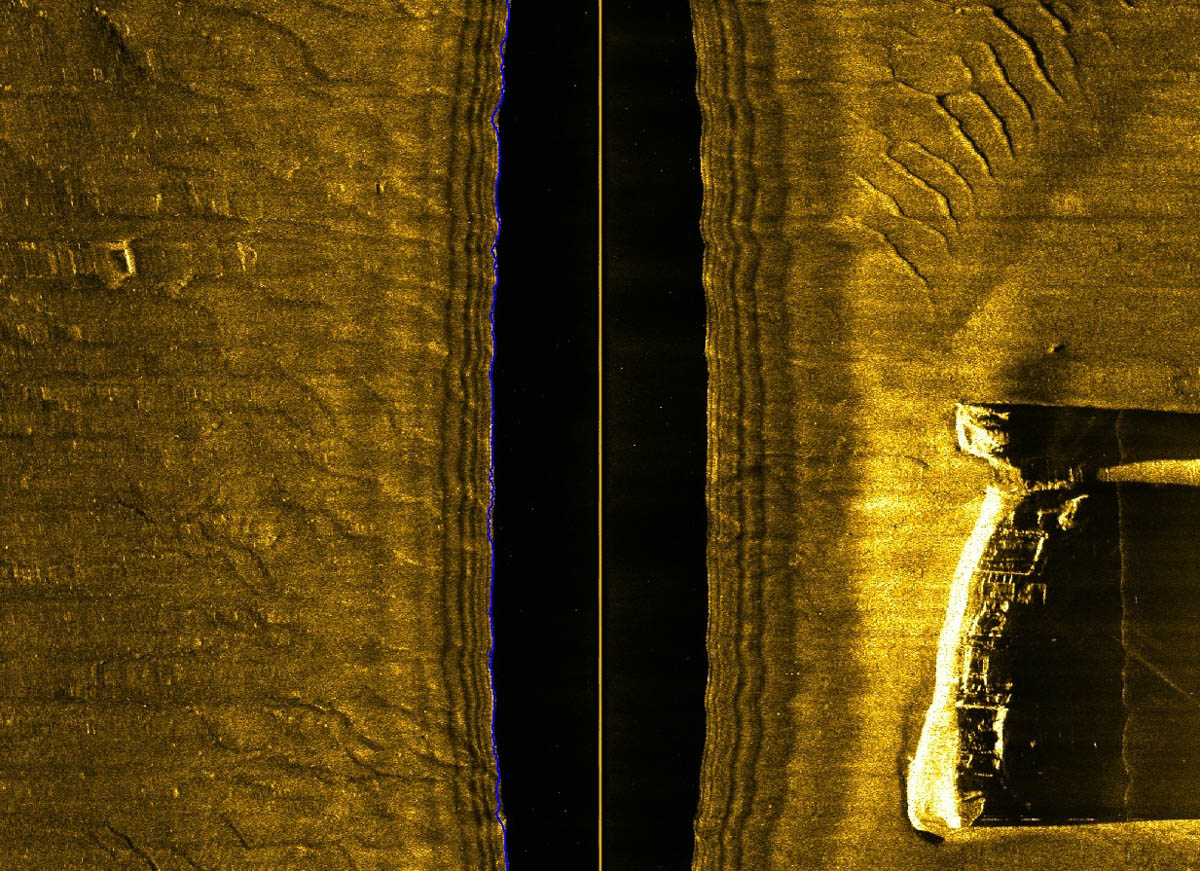
Preserving an Underwater War Grave
This discovery not only confirms the final resting place of HMS Bayano but also highlights the vulnerability of hastily converted merchant ships pressed into wartime service. The wreck’s state of preservation offers a rare look into naval engineering of the era and stands as a poignant underwater memorial.
“For us, it’s both discovery and remembrance,” said McMullen. “Every detail speaks of a working warship and of the men who served aboard her.”
ProjectXplore’s identification brings new attention to a little-known chapter of World War I and demonstrates how today’s diving community continues to play a vital role in uncovering, recording, and safeguarding maritime history.
Update – 9th November 2025
Corrigendum with reference to the guns fitted to HMS Bayano
In the above report published on 4th November 2025, the description of the armament of HMS Bayano stated that HMS Bayano was fitted with ‘2 x 6-inch BL Mk VII guns.’ In the re-issued report published today, on 8thNovember 2025, this description has been corrected to reflect that HMS
Bayano was fitted with ‘6 x 6-inch Mark 1 QF central pivot naval guns, plus 2 x 3-pounder guns.’
This correction does not affect any aspect of the report’s analysis, including the identification of the wreck as HMS Bayano. She remains the only British Armed Merchant Cruiser (AMC) from the First World War, sunk in the North Channel with an armament of 6” (152mm) guns.
Comments