

Malta, a small Mediterranean archipelago between Sicily and North Africa, is one of Europe’s most captivating scuba diving destinations. With a combination of warm, clear waters, dramatic underwater landscapes, and centuries of maritime history, this tiny nation offers world-class diving with a relaxed island atmosphere. Whether exploring haunting wrecks, intricate caves, or vibrant reefs, Malta has something for every diver, from beginners to technical experts.
A Gateway Between Worlds
Malta’s location at the crossroads of Mediterranean trade routes has made it a focal point for seafarers for thousands of years. Today, it draws divers from across the globe for the same reason – the sea here tells a story. From ancient shipwrecks scattered across the seabed to modern artificial reefs, the waters are steeped in history and alive with marine life.
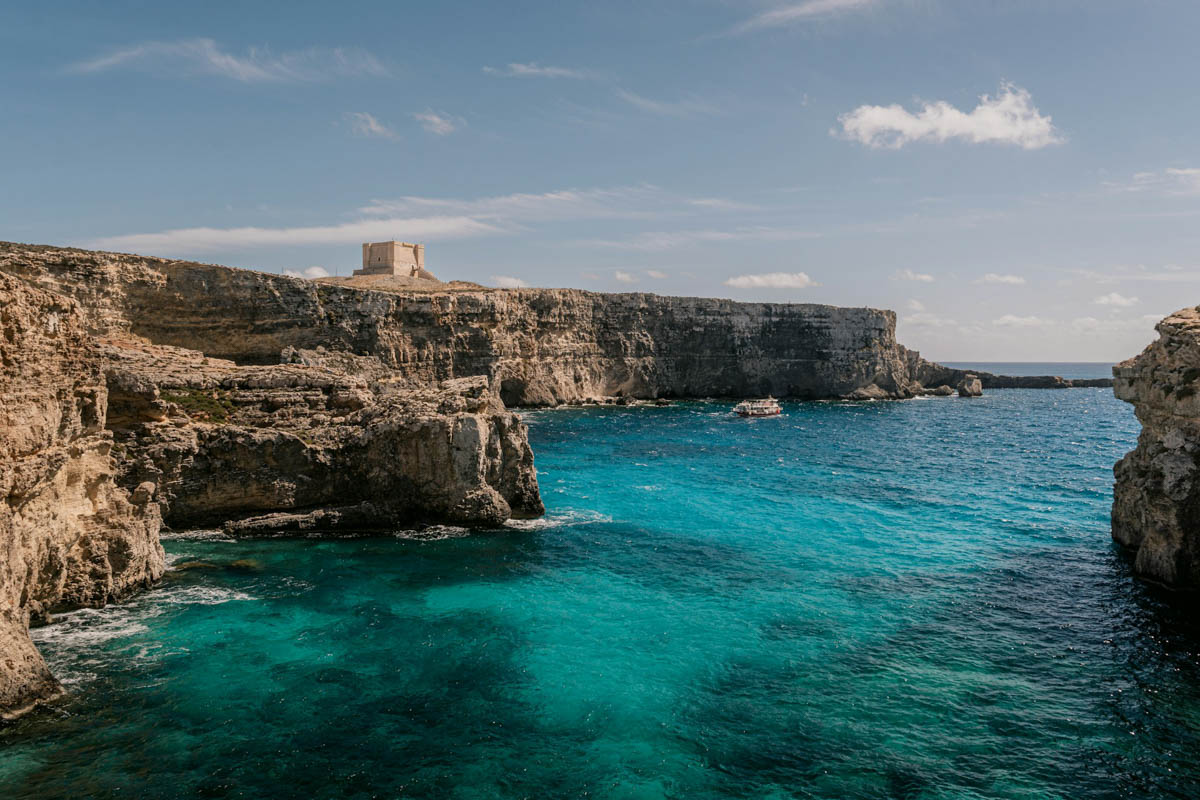
Visibility often exceeds 30 meters, revealing a world of limestone arches, drop-offs, and tunnels beneath the island’s rugged coastline. The calm seas and minimal tides make it one of the most reliable diving destinations in Europe, with conditions suitable for year-round exploration.
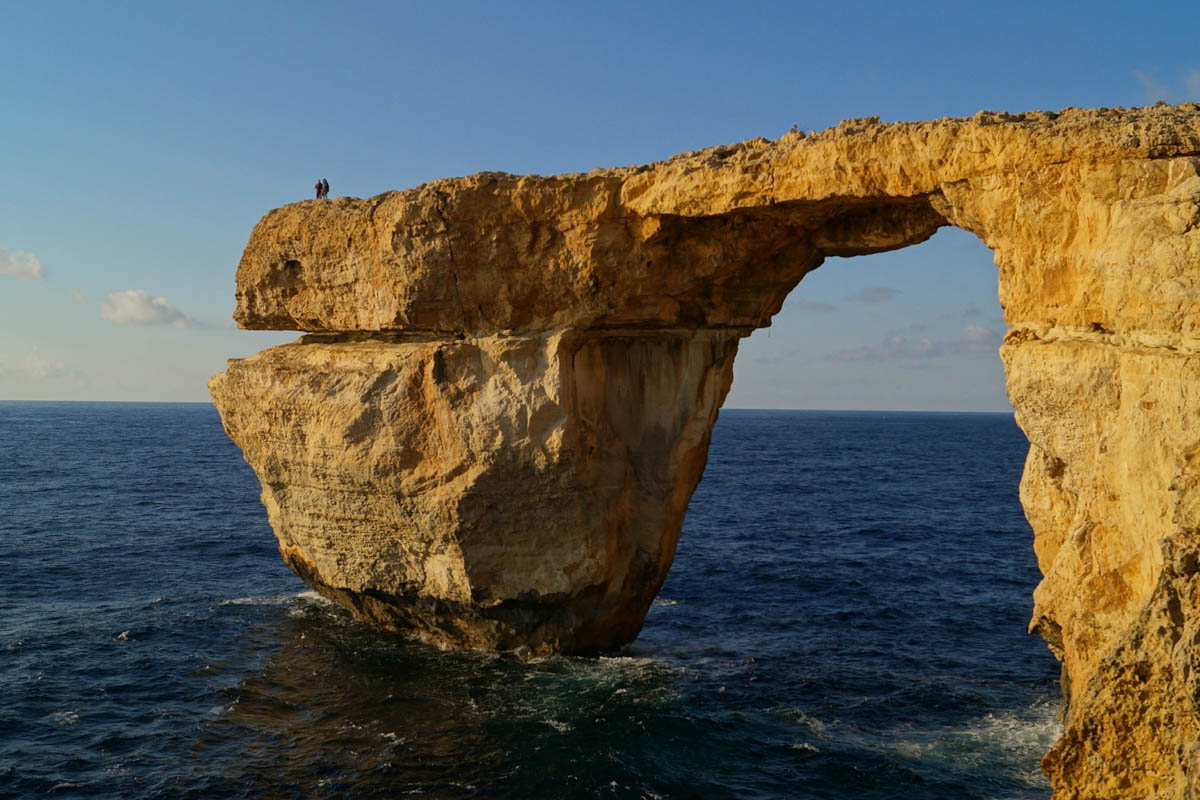
Photo by MARCIN CZERNIAWSKI on Unsplash
Signature Dive Sites
Few places pack so many iconic dives into such a small area. On Gozo, Malta’s quieter sister island, divers can explore the legendary Blue Hole, a natural underwater chimney leading out to open sea beneath the former Azure Window. Nearby, the Inland Sea offers an otherworldly passage through a long tunnel that opens onto the deep blue beyond.

Joebob724, CC BY-SA 4.0, via Wikimedia Commons
Across the channel on the main island, the wreck of the HMS Maori rests just off Valletta, a relic of World War II that now hosts octopus, moray eels, and colorful sponges. Advanced divers can descend to the Um El Faroud, a 110-meter Libyan oil tanker intentionally scuttled in 1998 to create an artificial reef off Wied iż-Żurrieq. Its sheer size and haunting atmosphere have made it one of Malta’s most photographed dive sites.

Pstraudo, CC BY-SA 3.0, via Wikimedia Commons
Malta’s third inhabited island, Comino, offers gentler dives and some of the clearest waters in Europe. The Santa Maria Caves are a favorite for photographers, with shimmering light effects and curious groupers that follow divers through the tunnels.
For technical divers, Malta is a treasure chest. Wrecks like the HMS Stubborn, HMS Southwold, and Blenheim Bomber sit far below recreational limits, demanding skill and precision. It’s no surprise that Malta has become a hub for deep diving and technical training, with facilities and instructors renowned across Europe.
What to Expect
Malta’s diving is typically shore-based, a unique advantage that allows easy access to spectacular sites without long boat rides. Dive centers are well-equipped, professional, and often English-speaking, making logistics simple even for first-time visitors. Air and Nitrox are readily available, and technical divers can find Trimix and rebreather support across the islands.
Water temperatures range from around 15°C in winter to 27°C in summer, while surface conditions are generally calm. The Mediterranean climate guarantees long days of sunshine and comfortable topside conditions almost year-round, making it just as appealing for non-diving partners and families.
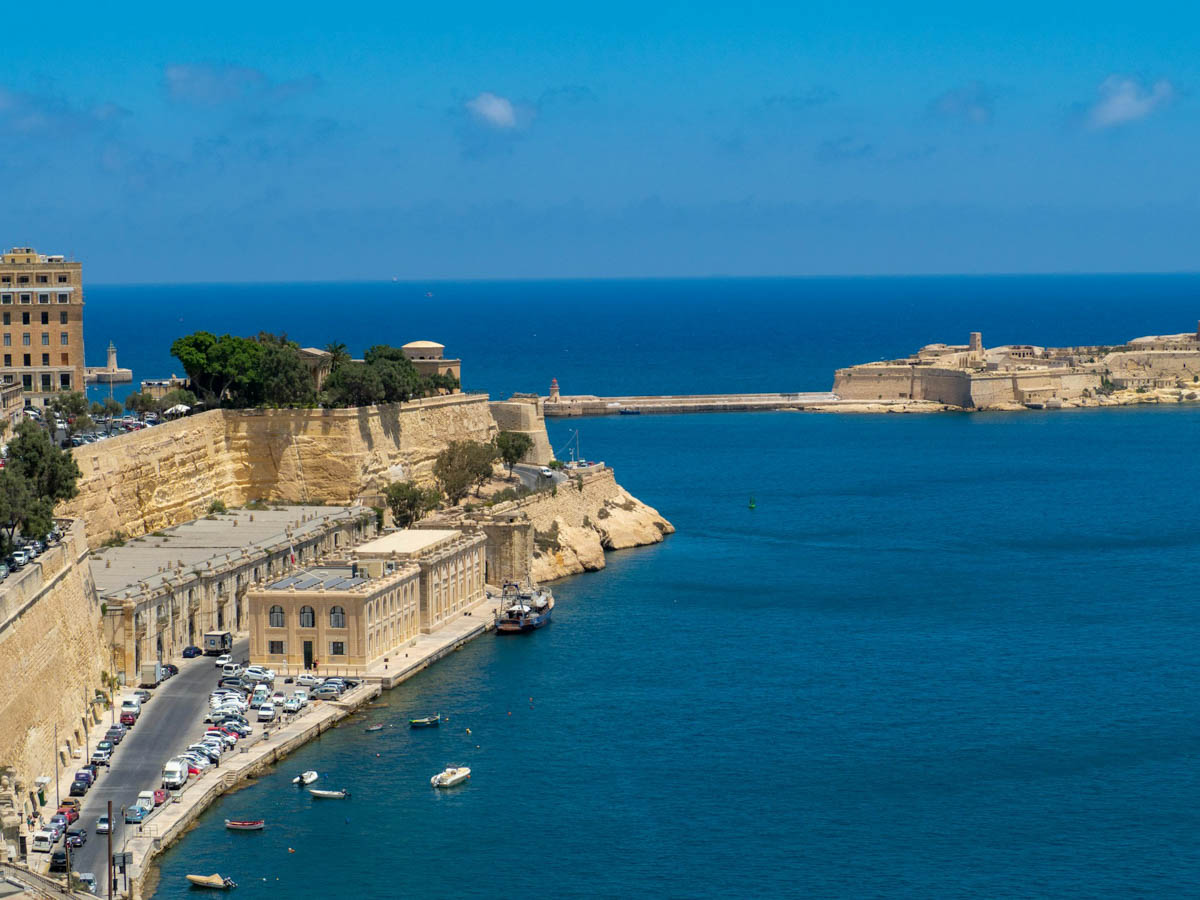
Photo by Sarolta Balog-Major on Unsplash
Beyond the Bubbles
When you surface, Malta continues to impress. The islands are steeped in heritage, from Valletta’s UNESCO-listed architecture to ancient temples older than the pyramids. The cuisine blends Italian, Arabic, and British influences, and the island’s compact size means nowhere is more than an hour away. Evening strolls along the waterfront or visits to Gozo’s hilltop villages provide a perfect balance to a day underwater.
The diving infrastructure here is among the best in Europe, with Visit Malta’s tourism board actively supporting marine conservation and sustainable dive tourism. Malta’s participation in projects such as Marine Life Malta and the PADI AWARE Foundation initiatives reflects a growing commitment to preserving its underwater heritage for future generations.
Getting There
Reaching Malta is simple. The Malta International Airport connects directly with major European cities, and Gozo is accessible via a short ferry ride or fast catamaran. Divers often base themselves in St. Paul’s Bay, Sliema, or on Gozo for easy access to dive sites and a relaxed island lifestyle. Local transport and dive shuttles make moving between locations easy, while car hire is inexpensive for those who prefer flexibility.
Why Choose Malta
Malta stands out not because of a single spectacular dive, but because of the complete experience it offers. Warm water, easy access, dramatic wrecks, and Mediterranean charm come together to create an ideal diving destination. Whether you’re logging your first shore dive or descending to a deep-water bomber, Malta rewards you with unforgettable moments and a sense of diving through living history.
For many, a trip to Malta is less about ticking off dive sites and more about discovering how effortlessly diving can blend with culture, cuisine, and calm island life. It’s a destination that captures the heart as well as the imagination – a true European gem waiting beneath the surface.


