


Imagine gliding over ancient coral villages, walls alive with soft corals and curious fish, while a school of barracuda flashes silver in the sunlit blue. Above, the Indian Ocean laps at palm-fringed shores and, beyond the beach, the calls of lemurs echo through the forest. This is the allure of scuba diving in Madagascar, a vast island that remains one of the most captivating and least explored dive destinations in the Indian Ocean.
In this feature, we look at the highlights of diving Madagascar, how to get there, what to expect beneath the surface, and why this extraordinary island should be high on every diver’s wish list.

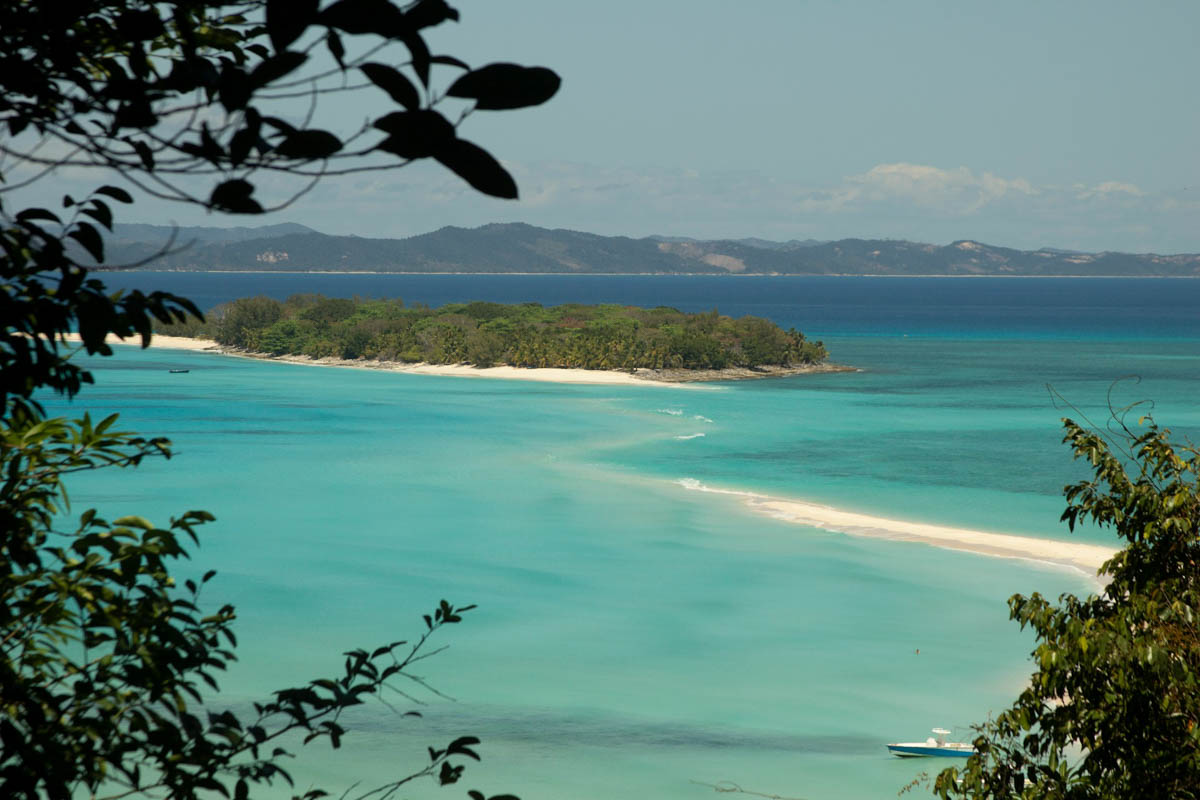
Photo by karimjy LOULOUA on Unsplash
A Hidden Gem in the Indian Ocean
While Madagascar is better known for its unique wildlife and rainforests, its underwater world rivals any in the tropics. The island’s reefs host remarkable biodiversity, with an estimated 300 coral species and over 1,300 species of fish, according to Bluewater Dive Travel. The surrounding seas also attract whale sharks, mantas, and migrating humpback whales at different times of year, creating thrilling encounters for divers of all experience levels.

What makes Madagascar particularly special is the lack of crowds. According to divers on ScubaBoard, the most rewarding dives are often in remote archipelagos like the Mitsio and Radama groups, where it’s still possible to dive pristine reefs in total solitude.
For those seeking genuine exploration rather than mass tourism, Madagascar offers that rare opportunity to discover marine life and terrain that have remained largely untouched.
Getting There and Around
Most international visitors arrive via Ivato International Airport near Antananarivo, the capital. From there, the popular diving hub of Nosy Be is a short domestic flight away, according to Original Diving. Nosy Be is home to several professional dive operators, liveaboard departures, and idyllic beachfront resorts.
Some of the most remote sites, such as the Mitsio and Radama Archipelagos, require longer boat transfers. Although travel can be logistically challenging, the payoff is a sense of genuine isolation and discovery.
The best time to dive Madagascar is during the dry season from April to November, when the seas are calm and visibility peaks around 30 to 40 metres, as noted by DiveZone. Whale shark season typically runs from October to December, while humpback whales can be spotted between July and September off Île Sainte-Marie.
Cyclones may affect the region from December to March, so travel and diving are best avoided during that period.
Madagascar’s Top Diving Areas
Nosy Be and Surrounding Islets
Nosy Be is the country’s best-developed dive base and a natural starting point for first-time visitors. Sites like Manta Point, Shark Point, and The Arches offer an excellent mix of reef, drift, and pelagic dives. Expect turtles, reef sharks, leopard rays, and macro life tucked among coral outcrops, as detailed by SeaCrush.
Mitsio and Radama Archipelagos
Further afield lie the Mitsio and Radama island groups, where volcanic walls drop steeply into deep blue water. The currents attract large pelagic life including barracuda, tuna, and mantas. According to Madagascar Travel, the coral coverage here is exceptional, and divers often have entire reefs to themselves. Liveaboard itineraries departing from Nosy Be are the best way to reach these outer islands.
Île Sainte-Marie
On the east coast, Île Sainte-Marie provides a completely different experience. The reefs are calmer and shallower, making them ideal for beginners, but the main draw is the chance to witness humpback whales during their migration from July to September. Madagascar Travel notes that some operators offer snorkeling and diving experiences near the whales in regulated zones for minimal disturbance.
What to Expect Underwater
Conditions are generally warm and comfortable, with sea temperatures between 25 and 30°C throughout most of the year, according to EWDR. Visibility ranges from 10 metres inshore to 30 or more around the offshore islands.
Currents are typically mild, although some drift dives and deeper walls can bring moderate flow. Dive depths vary from shallow coral gardens at 12 to 18 metres to dramatic drop-offs that descend well beyond 30 metres.
Madagascar’s underwater scenery is diverse and visually stunning. Expect hard and soft coral formations, sea fans, and sponges supporting schools of snapper and fusilier. Look closer, and you’ll find pipefish, ghost shrimp, and colourful nudibranchs. Out in the blue, keep an eye out for mantas, reef sharks, and occasionally larger species such as hammerheads.
For many, the highlight of diving here is the chance to encounter whale sharks around Nosy Be and the humpback whales that grace Sainte-Marie each year. These gentle giants lend an unforgettable sense of scale and wonder to the experience.
Planning Your Dive Adventure
Madagascar’s dive infrastructure is improving rapidly, with reliable air connections, quality resorts, and experienced instructors. Still, divers should plan ahead and confirm logistics, particularly when travelling to remote islands. Liveaboards provide the best access to remote reefs, while shore-based divers can combine their underwater adventures with jungle hikes, nature reserves, and cultural excursions.
A 3mm shorty or full wetsuit is usually comfortable, though a 5mm suit can be helpful for longer or deeper dives. Reef-safe sunscreen and mosquito protection are essential, as is travel insurance covering remote evacuation.
Responsible diving is key to protecting Madagascar’s fragile reefs. Many sites fall within marine protected areas, and operators encourage buoyancy control and no-contact policies to safeguard coral growth.
Why Madagascar Belongs on Every Diver’s Map
In a world where many dive destinations have become saturated, Madagascar offers something rare – the feeling of genuine exploration. Its untouched reefs, dramatic seascapes, and wildlife encounters make it a place where diving feels like discovery rather than repetition.
Beyond the diving itself, the island’s cultural richness and terrestrial beauty create a truly immersive experience. You can spend the morning diving volcanic reefs, the afternoon trekking through baobab forests, and the evening watching lemurs at sunset.
For divers who crave authenticity, biodiversity, and adventure, Madagascar is one of the last frontiers left to explore.
Ready to See Madagascar?
The Scuba News Travel Team carefully select from hundreds of liveaboard travel operators and excursion providers around the world. If you find a good deal at The Scuba News and make a booking, we may receive a small commission. This, however does not affect the price you pay.Any prices listed are correct at time of publishing
Comments