


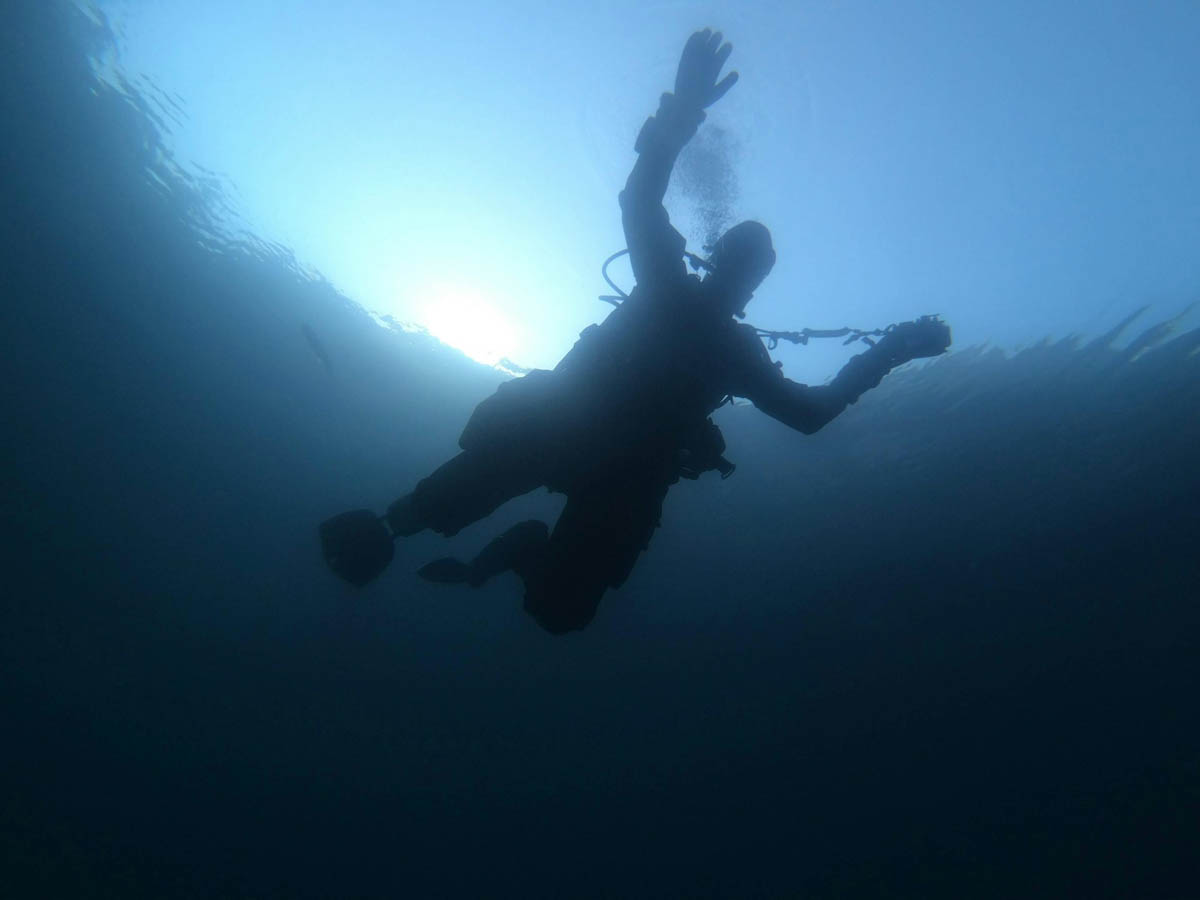

Divers Alert Network has published two annual reports examining diving incidents and fatalities, alongside an updated risk assessment guide designed to help dive professionals identify hazards and improve operational safety.
Divers Alert Network (DAN) has released three new publications aimed at improving understanding of diving incidents, identifying contributing factors in fatalities and helping dive operators strengthen their safety procedures.
Announced on November 10, 2026, the publications include the 2022 and 2023 editions of DAN’s Annual Diving Report and the third edition of its Risk Assessment Guide for Dive Operators and Dive Professionals.
Although the reports have only recently been released, they examine incidents from 2020 and 2021, providing an opportunity to study diving safety during two particularly unusual years for the industry.
The official announcement from DAN emphasises the importance of learning from previous incidents and making research findings accessible to both recreational divers and diving professionals.
Understanding Diving Fatalities and Contributing Factors
DAN’s newly published Annual Diving Reports examine incidents, injuries and fatalities recorded during 2020 and 2021.
These years coincided with significant disruption to recreational diving worldwide as COVID-19 restrictions affected international travel, dive tourism and participation.
Diving activity declined sharply during 2020 before beginning to recover in 2021 as restrictions were eased.
This changing level of participation is an important consideration when interpreting incident data. Differences in the number of reported incidents between these periods do not necessarily indicate corresponding changes in the risks associated with individual dives.
The reports include case studies examining diver behaviour, operational circumstances and the sequence of events that can contribute to serious incidents.
Their analysis considers hazards, mechanisms of injury, contributing factors and causes of death, with the intention of identifying lessons that could help prevent similar incidents.
Rather than viewing each fatality in isolation, DAN uses incident research to improve understanding of the circumstances in which diving emergencies develop.
Cardiac Health Remains an Important Safety Concern
One of the subjects highlighted in DAN’s announcement is the role of pre-existing medical conditions in fatal diving incidents.
Cardiac conditions remain a significant concern, reinforcing the importance of appropriate medical assessments and awareness of underlying health risks.
DAN particularly highlights the value of regular medical evaluations for divers older than 45.
This does not mean that age alone determines whether someone is fit to dive. Individual medical history, physical fitness and the potential effects of underlying conditions all require appropriate consideration.
For recreational divers, the findings reinforce the importance of taking medical questionnaires seriously and seeking qualified medical advice when health conditions or symptoms could affect diving safety.
The publications also explore several specialist areas of diving medicine and equipment safety, including physiological monitoring in freediving, safety equipment used with closed-circuit rebreathers and considerations surrounding a return to diving following COVID-19 infection.
These subjects demonstrate the breadth of issues involved in diving safety, from individual medical fitness to specialised equipment and diving procedures.
Updated Risk Assessment Guidance for Dive Operators
Alongside the Annual Diving Reports, DAN has released the third edition of its Risk Assessment Guide for Dive Operators and Dive Professionals.
The updated publication forms part of DAN’s Hazard Identification and Risk Assessment (HIRA) programme, which supports dive businesses in recognising hazards, evaluating operational risks and introducing appropriate preventive measures.
The guide is intended to help operators assess their existing procedures, identify areas requiring improvement and reduce the likelihood of incidents affecting staff and customers.
Risk assessment is relevant across a wide range of diving activities, including dive centre operations, boat-based diving, equipment handling and emergency preparedness.
DAN’s approach encourages operators to examine potential hazards before they result in injuries or operational losses, rather than relying exclusively on lessons learned after an incident has occurred.
For dive businesses, this provides a framework for reviewing existing safety arrangements and considering whether established procedures remain appropriate for their activities.
Additional resources, including guidance on emergency action plans, equipment maintenance and dive boat safety, are available through DAN’s operational safety resources.
Learning From Incidents and Near Misses
Understanding why diving incidents occur requires more than examining fatal outcomes.
DAN’s wider research activities also consider non-fatal injuries, equipment problems and near misses that may reveal weaknesses in procedures or decision-making.
Its Fatality and Injury Monitoring programme combines information gathered through fatality surveillance with voluntary reports submitted through the Diving Incident Reporting System.
These reports can help researchers recognise recurring contributing factors and identify opportunities for prevention.
Importantly, near misses may provide valuable information about hazards before they result in serious injury or death.
DAN explains how this work contributes to its research and educational programmes in its Fatality and Injury Monitoring overview.
The value of this approach extends beyond researchers. Divers, instructors, dive centre managers and equipment professionals can all benefit from understanding how incidents develop and which preventive measures may reduce exposure to risk.
Turning Research Into Safer Diving Practices
The publication of these reports highlights the continuing importance of evidence-based safety guidance within the diving industry.
While diving organisations provide training standards and operational procedures, incident research offers an additional opportunity to evaluate how those practices perform in real-world circumstances.
For individual divers, the lessons include maintaining appropriate medical fitness, understanding equipment limitations, recognising personal limits and approaching dive planning with suitable caution.
For dive professionals and operators, the updated risk assessment guidance provides an opportunity to review safety procedures, emergency preparedness and the identification of potential hazards.
The newly released publications should also be interpreted within their proper historical context. The two Annual Diving Reports address events from 2020 and 2021, rather than representing a current assessment of diving fatalities in 2026.
Together, the reports and updated guide demonstrate how research into previous incidents can inform practical measures intended to reduce risks on future dives.
How to Access the New DAN Reports
All three publications are available through the DAN Publication Library.
Divers wishing to access the annual reports should select the Annual Diving Reports category and request either the 2022 or 2023 edition.
The updated operational safety publication can be found under Risk Mitigation, listed as HIRA Guide 3rd Edition 2026.
The library also provides access to additional research and publications covering diving medicine, operational safety and incident prevention.
For divers and dive professionals interested in improving safety through a better understanding of past incidents, these resources offer an opportunity to examine DAN’s research and guidance in greater detail.
