


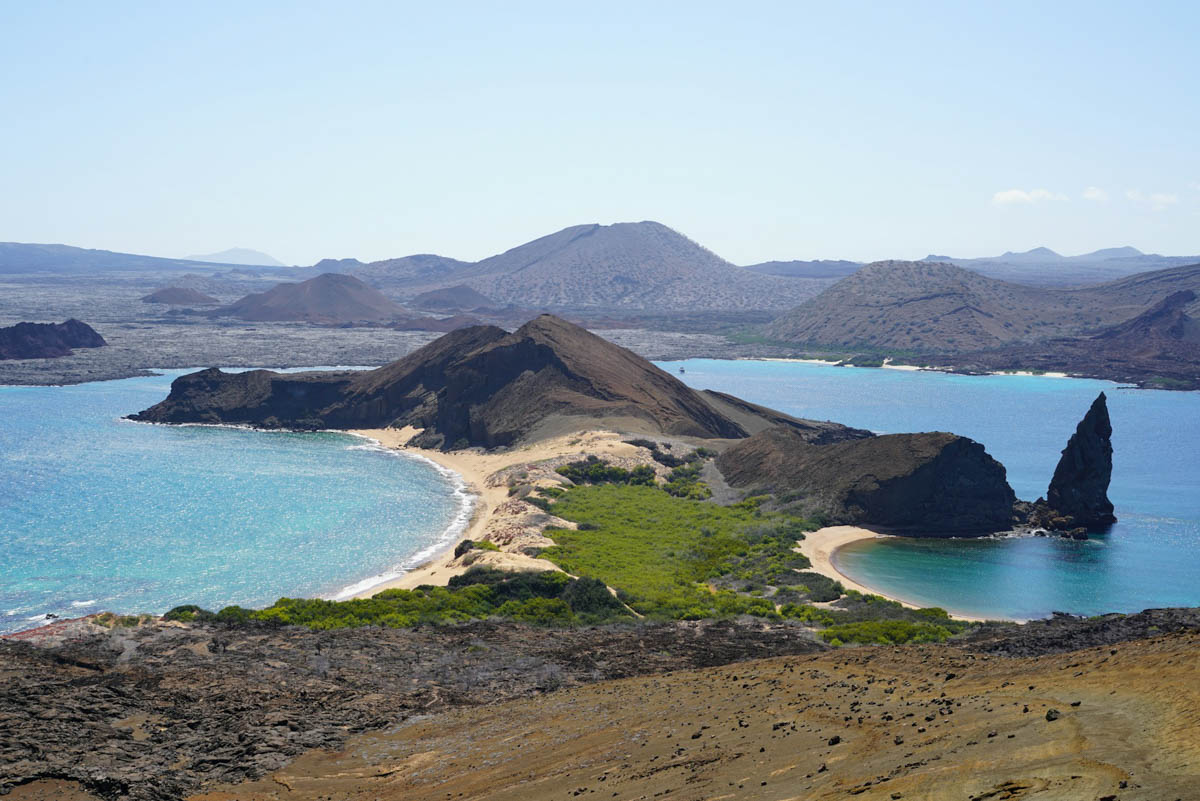
The Galapagos Islands represent one of Earth’s most extraordinary destinations, where fearless wildlife and pristine landscapes create an unparalleled natural wonder. Whether you’re a nature enthusiast, photographer, or adventure seeker, exploring this UNESCO World Heritage site requires careful planning and insider knowledge to make the most of your journey. This guide will help you navigate the archipelago like a seasoned traveler, ensuring an unforgettable experience in Darwin’s living laboratory.
Choose the Right Time to Visit
Timing your Galapagos adventure can significantly impact your experience. The islands offer year-round wildlife viewing, but each season brings unique opportunities and considerations that can shape your trip.
The warm season from December to May delivers calmer seas, occasional tropical showers, and lush green landscapes. This period is ideal for snorkeling in warmer waters and witnessing the dramatic courtship displays of various bird species. Meanwhile, the cool and dry season from June to November brings nutrient-rich currents that attract larger marine animals, though the water temperature drops and seas can be choppier.
Consider what wildlife experiences matter most to you. If swimming with playful sea lion pups tops your list, plan for August through October. For nesting giant tortoises and hatching sea turtles, aim for December through May.
Select Your Exploration Style
The way you explore the Galapagos fundamentally shapes your experience. Two primary options exist: land-based island hopping or cruise-based exploration, each offering distinct advantages.
Cruise-based exploration allows you to wake up at different islands, maximizing your wildlife encounters and reaching remote locations inaccessible to day-trippers. From budget-friendly vessels to Galapagos luxury tours featuring gourmet dining and naturalist-guided expeditions, cruises provide comprehensive coverage of the archipelago. Smaller boats offer intimacy and flexibility, while larger vessels provide more stability and amenities.
Land-based travel gives you the freedom to explore at your own pace while staying in local communities. You’ll experience authentic island culture, support local businesses, and have more control over your daily schedule. However, you’ll cover fewer islands and spend considerable time on day-trip boats.
Prioritize Your Island Destinations
With over a dozen visitable islands, strategic planning ensures you experience the archipelago’s highlights without feeling rushed. Each island offers unique ecosystems and wildlife encounters that deserve consideration.
Santa Cruz serves as the perfect hub, home to the Charles Darwin Research Station and opportunities to see giant tortoises in their natural habitat. The island’s diverse landscapes range from coastal mangroves to misty highlands, providing excellent biodiversity in a compact area.
Isabela Island, the largest in the archipelago, features dramatic volcanic landscapes, pristine beaches, and exceptional snorkeling with marine iguanas, sea turtles, and penguins. San Cristobal offers excellent surfing, sea lion colonies, and the informative Interpretation Center that contextualizes the islands’ natural and human history.
Don’t overlook smaller islands like Española, where you can witness the elaborate courtship dance of blue-footed boobies, or North Seymour, famous for magnificent frigatebirds inflating their red throat pouches.
Master the Art of Wildlife Watching
The Galapagos’ fearless wildlife creates magical encounters, but responsible observation ensures these animals remain undisturbed for future generations. Understanding proper etiquette separates amateur tourists from experienced travelers.
Maintain the required two-meter distance from all wildlife, resisting the temptation to get closer even when animals approach you. Never touch, feed, or make loud noises around animals. Stay on marked trails to protect fragile ecosystems and nesting sites.
Bring quality binoculars and a camera with a good zoom lens to capture intimate moments without intrusion. Early morning and late afternoon typically offer the best lighting and most active wildlife behavior. Patience pays dividends—spend time observing rather than rushing from one photo opportunity to the next.
Pack Smart for Island Conditions
Successful Galapagos exploration requires thoughtful packing that addresses diverse environments and activities. The islands’ equatorial location means strong sun exposure, while varied activities demand versatile gear.
Essential items include reef-safe sunscreen to protect both your skin and marine ecosystems, a quality waterproof camera or housing for your device, and layers for changing temperatures between coastal areas and highlands. Quick-dry clothing serves you well across multiple activities, from snorkeling to hiking volcanic trails.
Don’t forget a reusable water bottle, seasickness medication if you’re prone to motion sickness, and comfortable water shoes for wet landings on rocky shores. A lightweight rain jacket handles unexpected showers regardless of season.
Conclusion
Exploring the Galapagos Islands like a pro means combining careful planning with flexibility, respecting wildlife while maximizing encounters, and choosing the travel style that aligns with your preferences and budget. By timing your visit strategically, selecting the right islands, and preparing appropriately, you’ll create memories that last a lifetime in this extraordinary archipelago. The Galapagos rewards those who approach it with curiosity, respect, and a sense of adventure—so start planning your journey to one of the planet’s most remarkable destinations.