


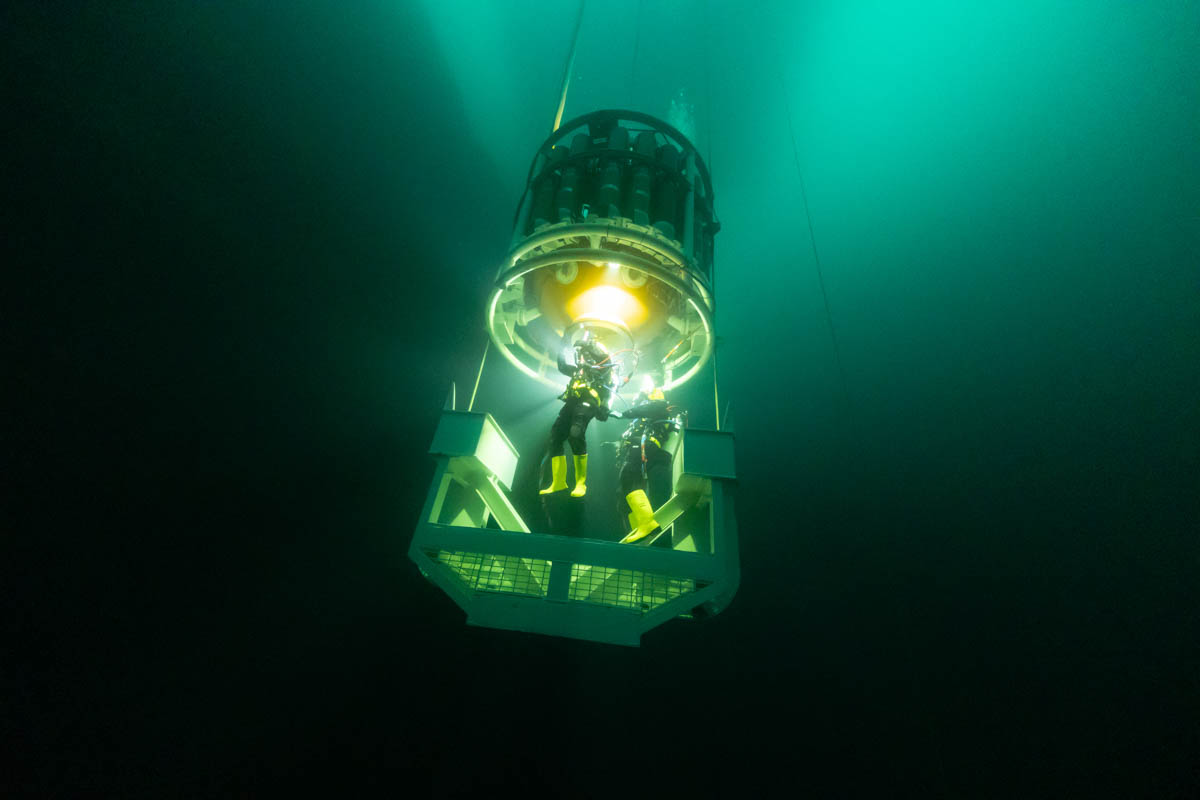

Six commercial divers have successfully completed a two-week trial of a new saturation diving training system in south-west England, marking an important milestone in efforts to address a global shortage of specialist commercial diving training facilities.
Ocean engineering and technology company DEEP has announced the successful completion of a manned trial of its new saturation diving training system at DEEP Campus, paving the way for the first closed bell diver training courses to begin in January 2027.
Conducted by Boskalis Subsea Services, the two-week trial saw six divers enter saturation at a storage depth of 50 metres (164 feet), undertake a closed bell dive to 60 metres (197 feet) and complete a full 53-hour decompression.
The trial represents a significant milestone for the British commercial diving sector and comes at a time when industry representatives are warning of a shortage of specialist training facilities capable of preparing the next generation of saturation divers.
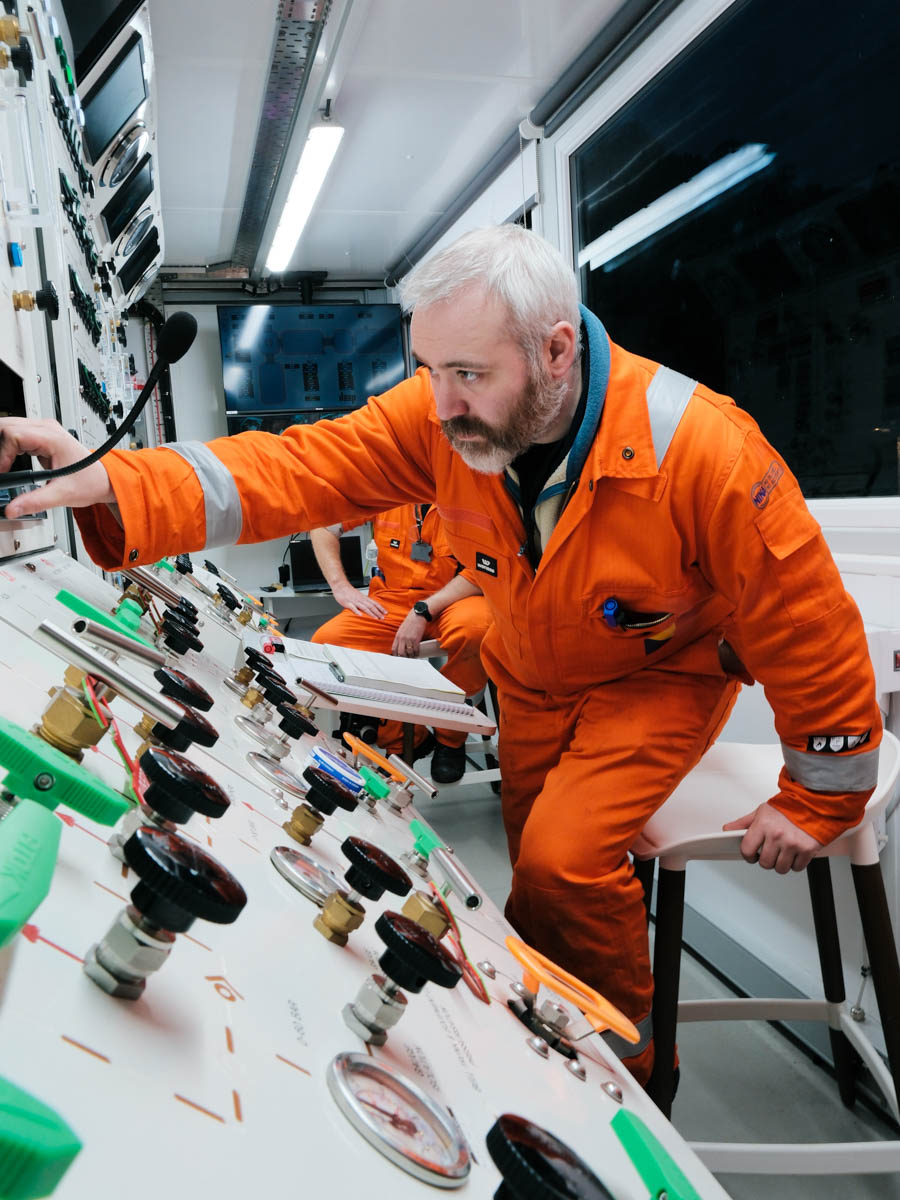
Putting the Saturation Diving System to the Test
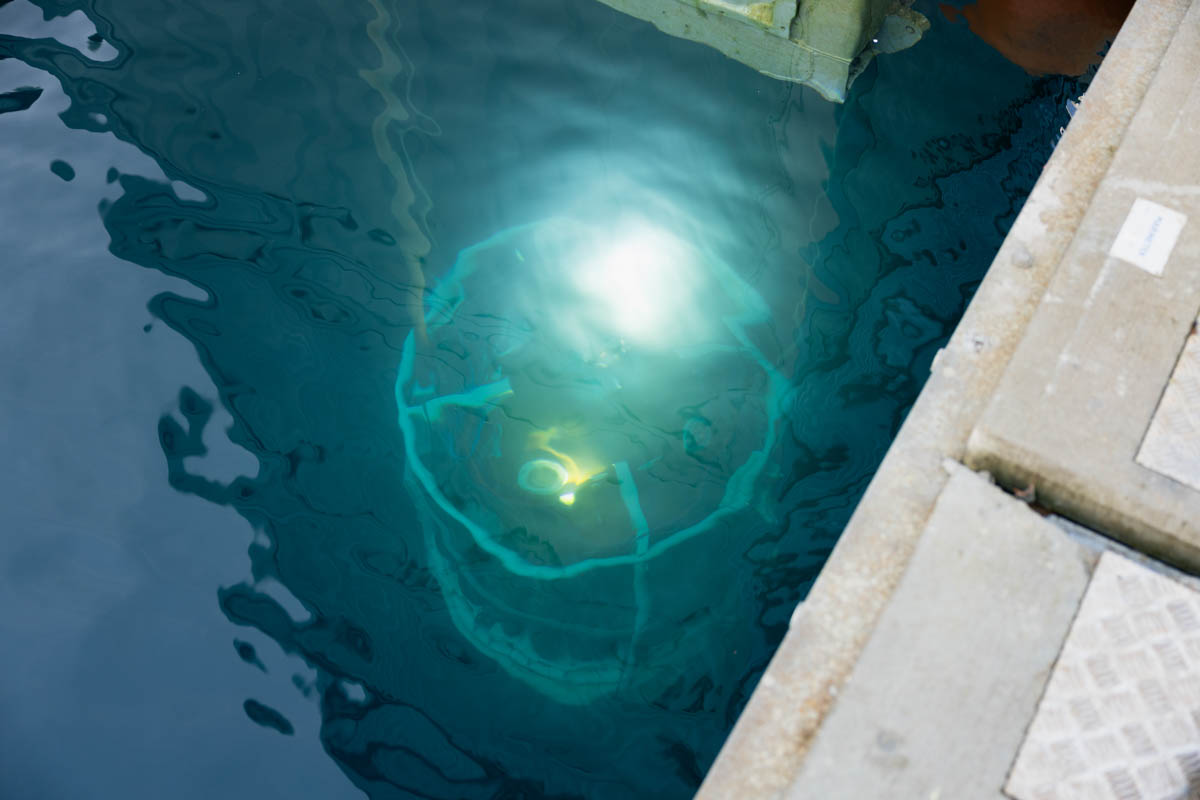
Located at a former quarry near Tidenham, Gloucestershire, DEEP Campus provides a controlled underwater environment in which advanced diving operations can be conducted away from the challenges associated with offshore deployment.
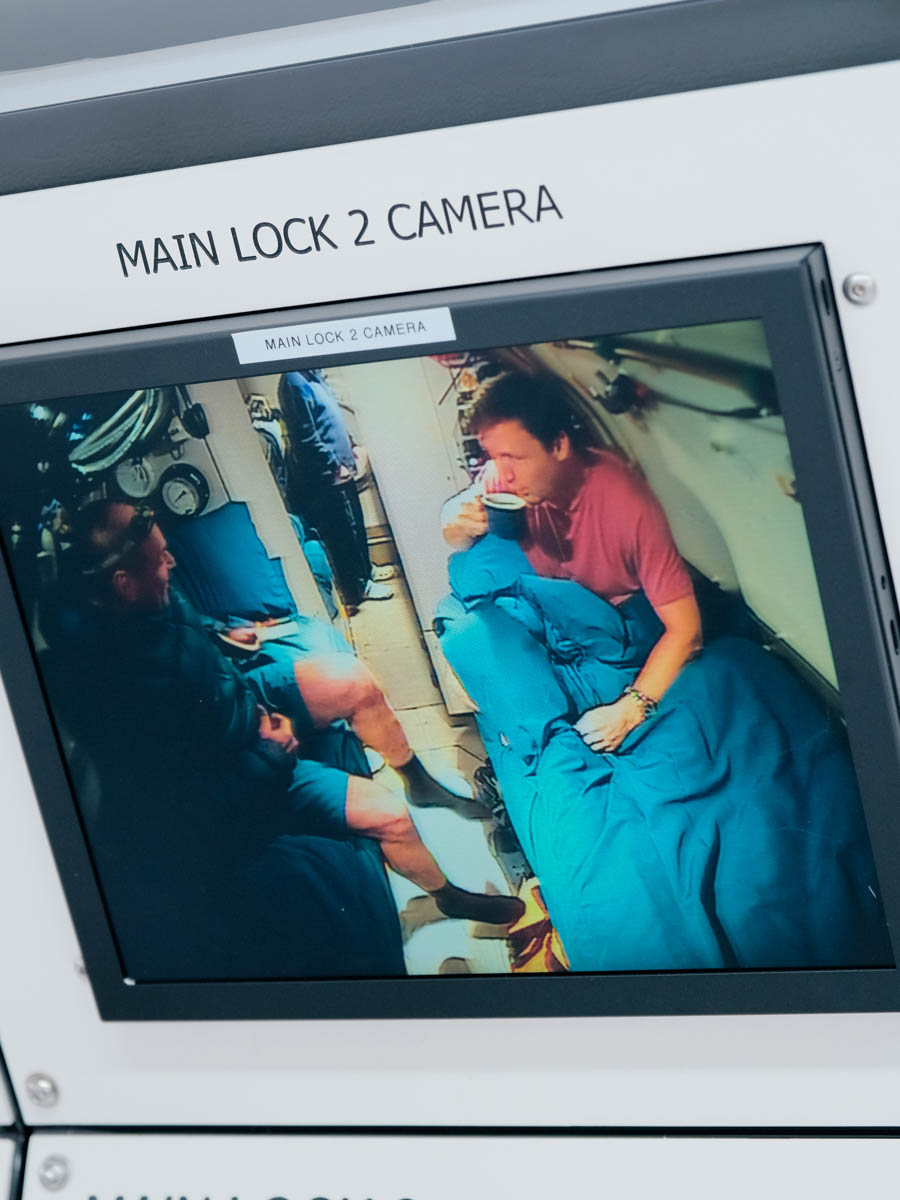
The saturation diving system allows divers to live in pressurised accommodation chambers before transferring under pressure into a closed diving bell, which transports them to their underwater working environment.
Unlike conventional diving operations, saturation diving enables divers to remain under pressure between dives, undertaking a single extended decompression at the conclusion of their deployment.
This approach allows commercial divers to carry out sustained underwater work on offshore infrastructure, including pipelines, subsea installations and energy projects.
During the trial, Boskalis personnel assessed the operational performance of DEEP’s new facility under realistic diving conditions.
DEEP will now implement minor refinements to the equipment and operational procedures following recommendations from the Boskalis team before formal training begins.
Andy Butler, Diving Manager at Boskalis Subsea Services, highlighted the importance of investment in training infrastructure.
“We’re delighted to have played a critical role in bringing this new training system online. There’s a shortage of saturation training facilities globally and the offshore industry needs high-quality training programs to safeguard the future success and safety of subsea operations.”
Mark Hamilton, Dive Manager at DEEP, also expressed confidence in the system following the trial.
“Boskalis have put the system through its paces, and the rigor and expertise they brought to this trial gives us total confidence in its readiness. We can now start delivering training that the industry desperately needs to bring through the next generation of saturation divers.”
Addressing a Global Saturation Diving Training Shortage
While recreational and technical diving have experienced considerable development in training opportunities and equipment over recent decades, saturation diving remains an exceptionally specialised sector of the wider diving industry.
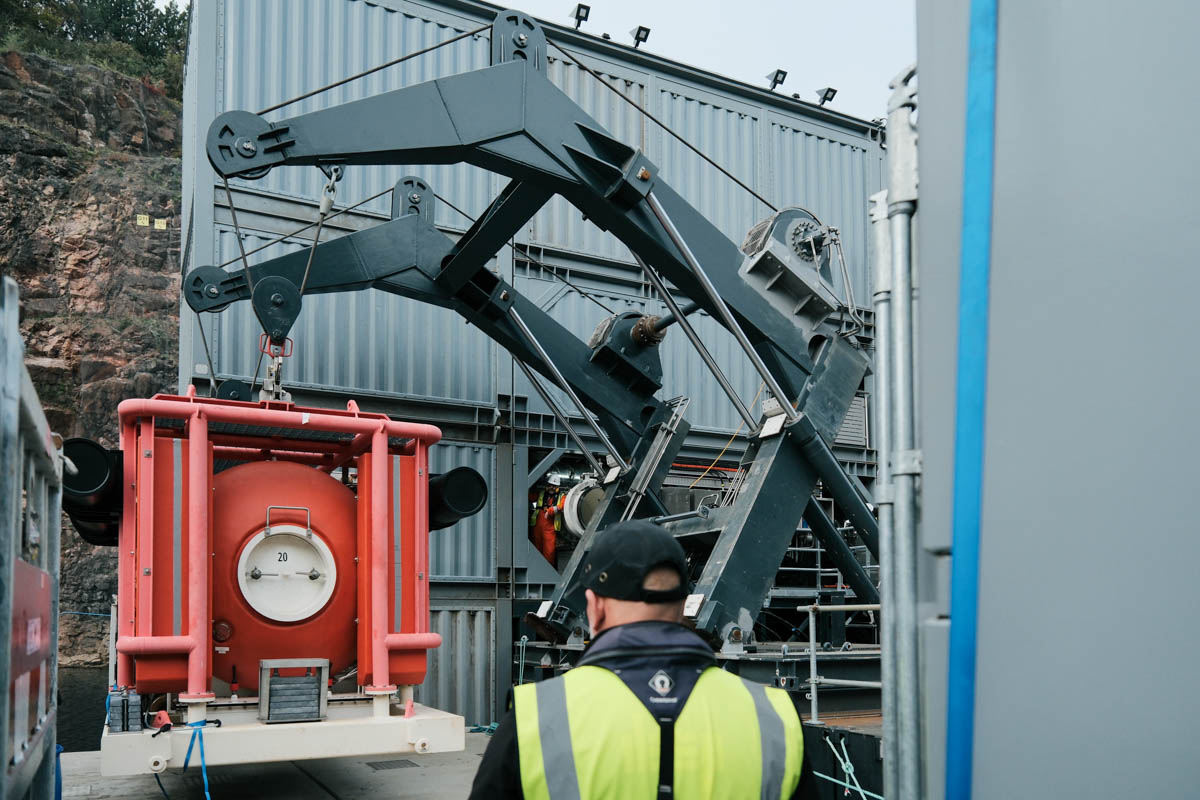
Training requires substantial investment in infrastructure, including pressurised living chambers, life-support systems, diving bells, emergency evacuation equipment and specialist support personnel.
DEEP describes its new facility as the only closed bell saturation diving training system of its kind in the Northern Hemisphere.
The company’s original announcement of the training facility in September 2025 outlined its plans to establish a dedicated environment capable of reproducing many of the operational conditions experienced by commercial saturation divers.
Increasing training capacity could have particular significance for the North Sea offshore industry, as well as international subsea operations supporting oil and gas infrastructure and renewable energy development.
The availability of suitably qualified commercial divers remains an important consideration for the long-term safety and operational capability of these industries.
UK HSE Closed Bell Diver Training Begins in January 2027
DEEP’s three-week closed bell diving course is designed for experienced commercial divers seeking to progress into saturation diving.
The programme combines classroom-based instruction with practical training covering:
- Closed bell diving operations
- Saturation diving life-support systems
- Transfer-under-pressure procedures
- Emergency response
- Practical operation within a pressurised diving environment
Successful candidates will receive the UK Health and Safety Executive (HSE) Closed Bell Diver qualification.
Closed Bell Diving is one of the four professional commercial diving competence standards recognised by the UK Health and Safety Executive and requires previous experience in surface-supplied diving.
The qualification represents a route into specialist commercial saturation diving operations, subject to relevant employment and regulatory requirements.
Demand for DEEP’s new training programme is already evident. Initial places have been allocated to divers on an existing waiting list, with courses fully booked through March 2027.
Applications are now being accepted for courses commencing from April 2027.
Further information, including entry requirements and registration details, is available through the DEEP HSE Closed Bell Diving course website.
A New Chapter for British Commercial Diving
The successful trial also represents a further development in the transformation of DEEP Campus into a specialist centre for underwater engineering, research, testing and professional diver development.
Although much of the attention surrounding DEEP has focused on its ambitions for underwater human habitation, its investment in commercial diving infrastructure has a more immediate practical application.
Increasing the availability of specialist training could help support workforce development across the international subsea sector, while providing experienced commercial divers with additional opportunities to advance their careers.
With the successful completion of the Boskalis trial and the first training courses scheduled for January 2027, DEEP has taken an important step towards bringing that capability into operation.
Further information about the trial is available in DEEP’s official announcement.
