




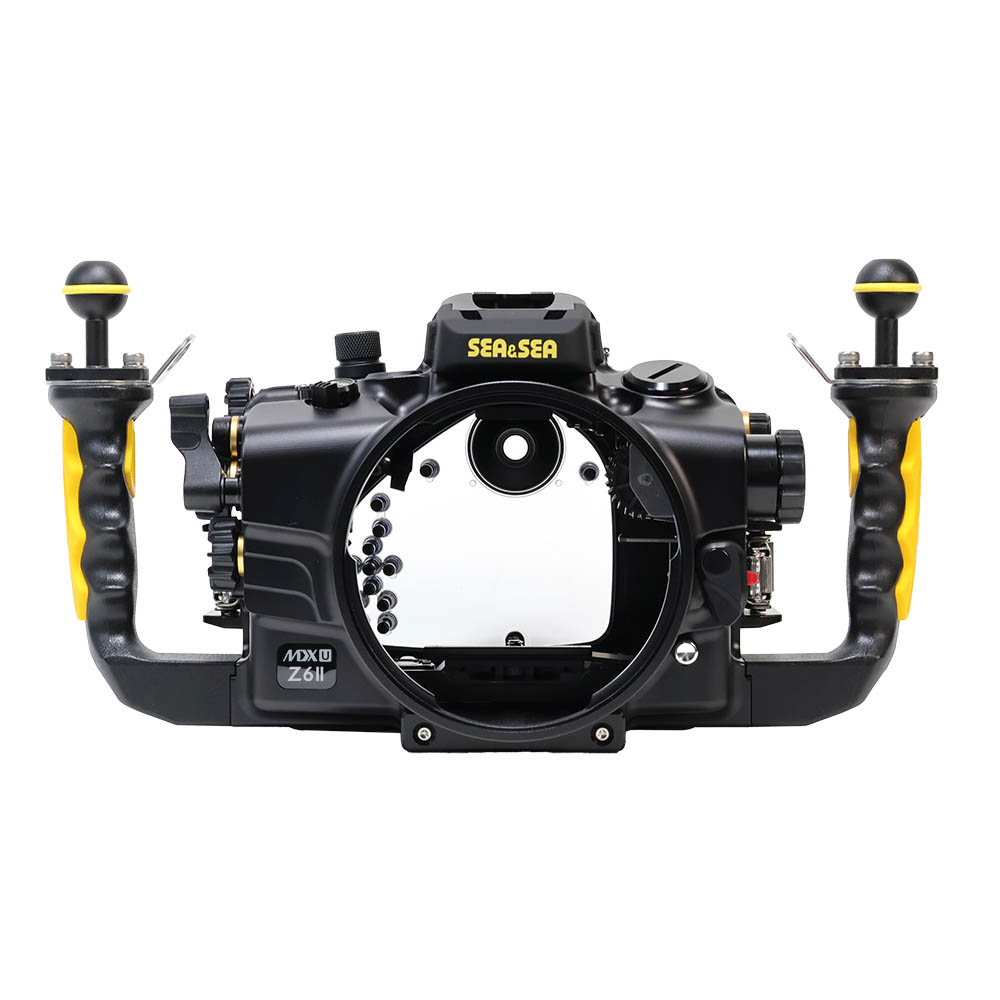
Underwater photographers using Nikon mirrorless cameras have a new option to consider. Japanese underwater imaging manufacturer Sea&Sea has unveiled a universal housing designed to support several models in the Nikon Z series, potentially simplifying the upgrade path for shooters who change camera bodies but want to keep their underwater system.
The new housing is built around Sea&Sea’s established MDX platform, a system widely used by underwater photographers for its durability, ergonomic controls, and compatibility with a broad ecosystem of ports and accessories. According to the official product information released by Sea&Sea, the universal design allows a single housing body to accommodate multiple Nikon mirrorless cameras through internal configuration changes.

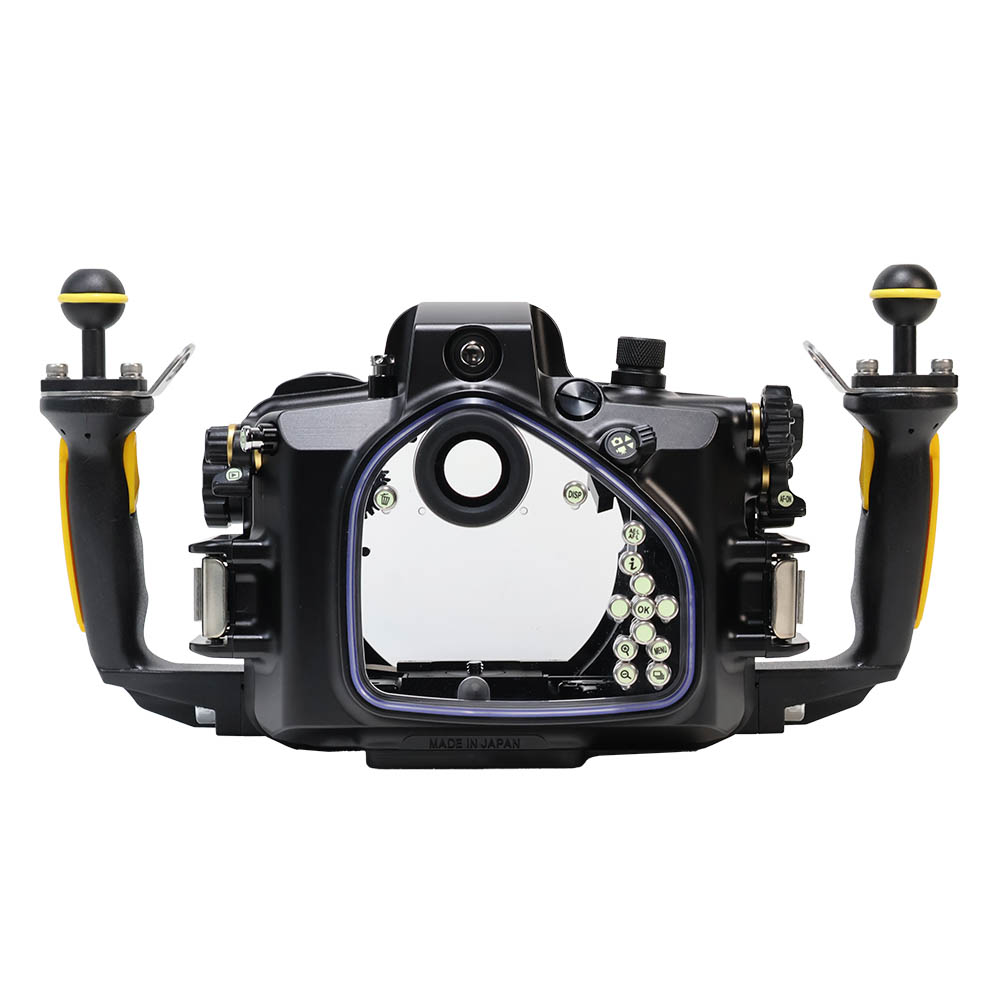
The housing supports several popular full-frame Nikon models, including the Z5, Z6 II, and Z7 II, which have become increasingly common choices for underwater imaging thanks to their strong still-photo performance and improving video capabilities. By creating a universal housing rather than a model-specific one, Sea&Sea appears to be addressing a long-standing challenge in underwater photography: the cost and inconvenience of replacing a housing every time a camera body is upgraded.

The system follows a concept Sea&Sea has previously applied to other camera platforms, where interchangeable internal components allow photographers to adapt the housing to different camera models while retaining the same external shell. This approach is designed to extend the life of expensive underwater equipment and reduce the financial barrier for photographers who want to keep up with new camera releases.
The housing itself incorporates the design features that have become standard in the MDX series. A large rear window allows easy viewing of the camera’s LCD screen underwater, while precision-machined aluminum construction provides strength and corrosion resistance for use in demanding marine environments. Integrated leak detection adds another layer of protection for expensive camera gear, an increasingly expected feature in modern underwater housings.

Strobe connectivity remains a core part of the system. The housing supports fiber-optic connections to underwater strobes, enabling reliable optical triggering that is widely preferred by underwater photographers for its simplicity and compatibility with many lighting systems. Sea&Sea’s optical conversion technology can also be integrated to improve TTL performance when paired with compatible strobes.
Underwater imaging continues to evolve rapidly as mirrorless cameras become more capable and more compact. Nikon’s Z-series cameras have gained traction in the underwater photography community thanks to their full-frame sensors, strong autofocus performance, and expanding lens lineup. The introduction of a universal housing aimed specifically at these cameras suggests manufacturers are responding to growing demand from photographers who want flexible, future-proof underwater systems.
For divers and underwater photographers, the appeal of a universal housing lies in longevity. A housing can represent one of the most expensive pieces of underwater camera equipment, and the ability to adapt it to multiple camera bodies can significantly extend its usable life.
As underwater imaging becomes more popular among recreational divers, equipment manufacturers are increasingly focusing on modular designs that reduce long-term costs and simplify system upgrades. Sea&Sea’s latest housing for Nikon mirrorless cameras appears to be part of that broader shift toward flexibility and sustainability in underwater camera systems.
Comments