



The world’s largest recreational diver training organisation has taken a major step toward expanding access to scuba diving education in one of the world’s fastest-growing travel markets. PADI has launched a Hindi-language version of its globally recognised Open Water Diver eLearning course, making entry-level scuba training accessible to millions of new potential divers across India.
For decades, the Open Water Diver certification has served as the gateway into the underwater world. Now, by offering the academic portion of the course in Hindi, PADI is aiming to remove one of the biggest barriers to entry for many aspiring divers in India, language.

According to coverage in the Free Press Journal, the initiative is designed to help Indian students learn dive theory more comfortably in their native language before completing in-water training with certified instructors. The publication reported that the new Hindi option allows students to complete the knowledge development portion of the course online before moving on to confined-water and open-water training at local dive centres.

Industry observers see the move as part of a broader push by PADI to grow participation in regions where diving interest is rising but language accessibility has historically limited training adoption.
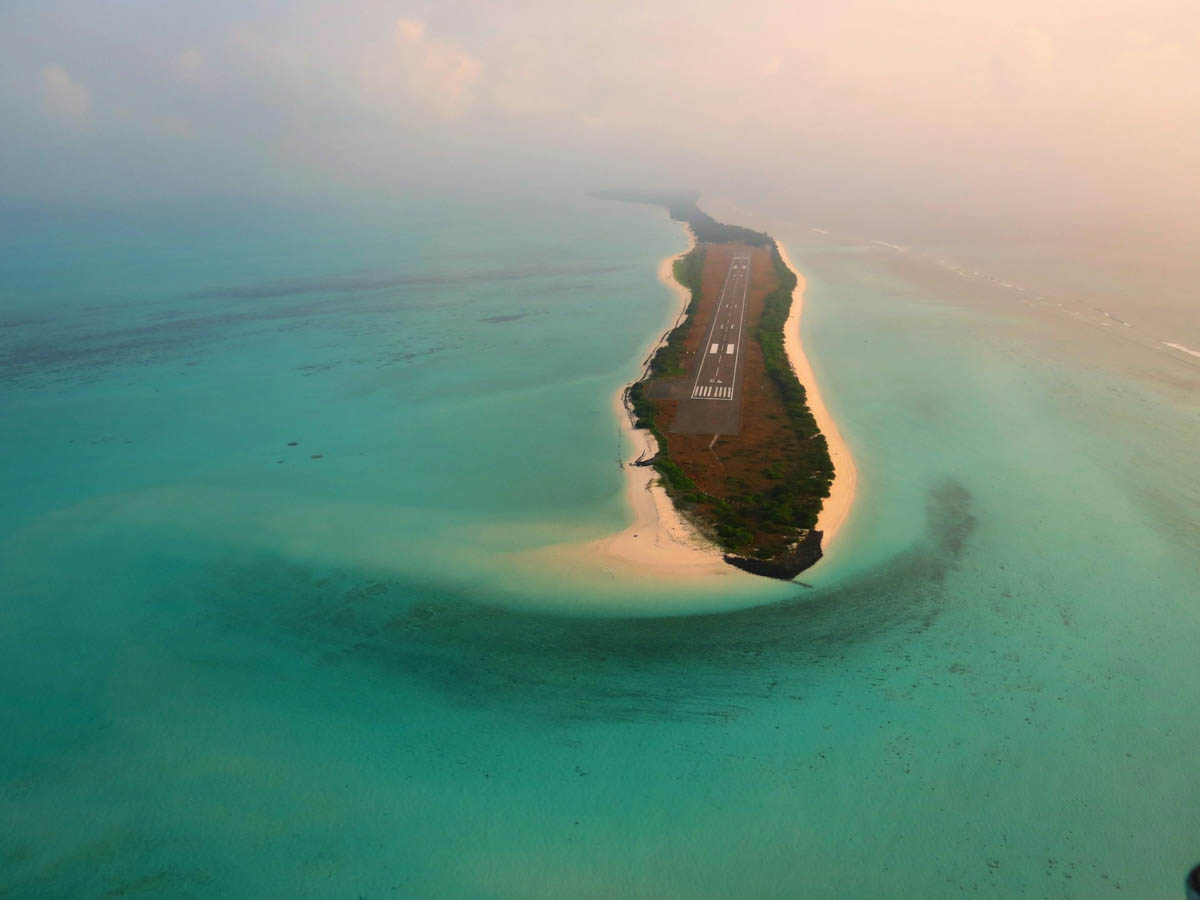
India has quietly been emerging as a destination for both domestic and international divers. Locations such as the Andaman Islands, Lakshadweep, Goa, and Puducherry offer coral reefs, tropical marine life, and relatively warm waters that are increasingly attracting attention from the dive tourism sector.

At the same time, the growth of domestic travel within India has created a new generation of adventure tourists eager to try activities like scuba diving. Reports in MediaBrief suggest that providing course materials in Hindi could significantly broaden the reach of dive education by allowing more people to begin training in a language they are fully comfortable with.
The move also aligns with PADI’s wider strategy of localisation and accessibility. The organisation has steadily expanded multilingual learning options for its digital courses as part of a broader effort to grow the global diving community.
For dive centres across India, the introduction of Hindi-language learning materials could help open the door to new students who may have previously been hesitant to begin training in English.
India already represents one of the world’s largest potential markets for recreational diving. With a population exceeding 1.4 billion people and a growing middle class interested in travel and outdoor adventure, industry analysts see enormous long-term potential for dive tourism in the region.
By lowering the language barrier to entry-level certification, PADI may be positioning itself to accelerate that growth.
For aspiring divers in India, the message is simple: the underwater world just became more accessible than ever.
Comments