



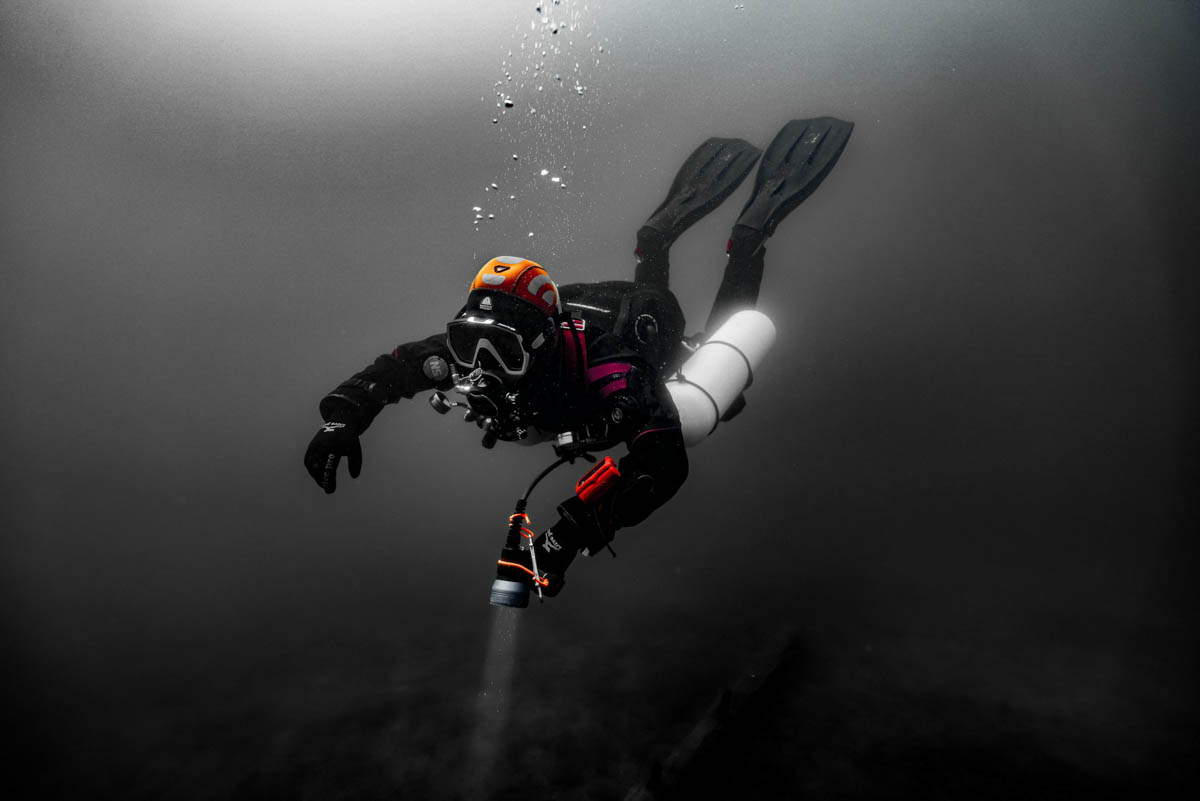

Scuba diving is full of obvious risks that divers are trained to recognise, depth, gas supply, buoyancy, conditions. What catches many divers out is that the most dangerous threats are often the ones you cannot see, smell, or immediately feel. Microscopic gas bubbles, rising carbon dioxide levels, altered oxygen pressures, and internal injuries can develop quietly, sometimes with delayed or subtle symptoms. Understanding these invisible dangers is one of the most important steps any diver can take toward safer, more confident diving.
Decompression illness, when bubbles become the problem
Decompression illness is an umbrella term covering both decompression sickness and arterial gas embolism. It occurs when inert gas absorbed under pressure comes out of solution too quickly, forming bubbles in tissues or the bloodstream, a process explained in detail by Divers Alert Network through decades of incident analysis and clinical research.

The danger lies in its unpredictability. A diver may surface feeling well, only to experience symptoms hours later, ranging from joint pain and fatigue to neurological impairment or paralysis. Because early symptoms can resemble muscle strain or general tiredness, divers sometimes delay treatment, significantly worsening outcomes.

Risk increases with deeper dives, repetitive profiles, rapid ascents, dehydration, cold exposure, and post-dive exertion. DAN’s research into post-dive physiology highlights how even moderate physical effort shortly after surfacing can increase bubble formation, particularly following multi-day or repetitive diving.
Carbon dioxide retention, the thinking diver’s enemy
Carbon dioxide retention, known medically as hypercapnia, is one of the most underestimated hazards in diving. Elevated CO₂ levels impair cognitive function, decision-making, and situational awareness, effects well documented in hyperbaric and respiratory studies published through Duke University’s diving physiology research.

CO₂ buildup can result from heavy exertion, poor breathing technique, increased work of breathing at depth, regulator resistance, or rebreather scrubber issues. The danger is compounded by the fact that rising CO₂ can make a diver feel air-hungry while simultaneously dulling their ability to recognise the seriousness of the situation.
Divers affected by CO₂ retention may appear anxious, confused, or unusually fatigued. Because the gas is invisible and odourless, equipment that “feels slightly harder to breathe from” should never be ignored.
Oxygen toxicity, when too much of a good thing turns dangerous
Breathing oxygen at elevated partial pressures can lead to central nervous system oxygen toxicity, a condition that can cause visual disturbances, nausea, twitching, and in severe cases, sudden seizures. Clinical overviews published in peer-reviewed hyperbaric medicine literature show that CNS oxygen toxicity can occur without warning, particularly during high-oxygen exposures at depth.
This risk is most relevant to divers using enriched air nitrox, technical gas blends, or closed-circuit rebreathers, but even recreational divers can be affected if depth limits are exceeded. Because a seizure underwater is often unsurvivable without immediate assistance, strict adherence to partial pressure limits and conservative gas planning is critical.
Barotrauma and pulmonary overpressure, injuries you cannot see
Barotrauma occurs when pressure differences damage air-filled spaces in the body, including ears, sinuses, and lungs. Of greatest concern is pulmonary barotrauma during ascent, where expanding gas in the lungs cannot escape, potentially causing arterial gas embolism. Medical overviews from the MSD Manual’s diving injury section describe how even a short breath-hold ascent can result in catastrophic internal injury.
The invisibility of this hazard lies in its presentation. Chest discomfort, coughing, or mild breathlessness may precede severe neurological symptoms, and damage may already be occurring internally before the diver realises something is wrong. Continuous breathing and controlled ascents remain non-negotiable safety fundamentals.
Hypoxia and thermal stress, subtle but compounding risks
Hypoxia, inadequate oxygen delivery to tissues, is uncommon in standard recreational profiles but can occur through gas mix errors, equipment malfunction, or inappropriate breathing gases. The British Thoracic Society’s guidance on respiratory fitness to dive outlines how respiratory efficiency, cold exposure, and exertion can all influence oxygen delivery underwater.
Cold stress further complicates the picture by increasing metabolic demand and masking early warning signs such as fatigue or breathlessness. Conversely, heat stress and dehydration can alter circulation and increase decompression risk, creating a web of invisible physiological strain that builds quietly across a dive day.
Marine pathogens and wound infections, a growing concern
Cuts and abrasions exposed to seawater can become infected by marine bacteria, including Vibrio species, an issue receiving increasing attention in peer-reviewed infectious disease research indexed by PubMed as ocean temperatures rise. These infections can progress rapidly, particularly in individuals with diabetes, liver disease, or compromised immunity.
The danger is not apparent at the time of exposure. What looks like a minor scrape can develop severe symptoms within 24 to 48 hours. Prompt wound cleaning, monitoring, and early medical care, with clinicians informed of marine exposure, are essential safeguards.
Equipment degradation, when small faults become big problems
Not all equipment failures are dramatic. Slight increases in breathing resistance, deteriorating regulator performance, or exhausted rebreather scrubbers may go unnoticed until physiological stress builds. Incident analysis and safety advisories from national diving organisations consistently show how minor equipment issues can combine with exertion or task loading to produce serious outcomes.
A regulator that feels “a bit stiff” or breathing that feels subtly laboured is an invisible warning sign. Ending a dive early is always safer than pushing on and hoping the problem resolves itself.
Human factors, the invisible multiplier
Stress, fatigue, overconfidence, and cognitive impairment play a role in the majority of diving incidents. While equipment and environment matter, human decision-making often determines whether a situation remains manageable or escalates. Studies of incident reports repeatedly show how small, correctable issues are ignored or rationalised away underwater.
Checklists, conservative planning, honest self-assessment, and a culture that prioritises aborting dives early all reduce exposure to invisible risk. The safest divers are not those who avoid all risk, but those who recognise it early and respond decisively.
Treat the unseen with respect
Invisible dangers are not mysterious forces, they are well-understood physiological and environmental processes backed by decades of medical research and incident data. Conservative dive planning, disciplined equipment maintenance, proper training, and respect for early warning signs turn these threats from killers into manageable risks.
The ocean does not forgive complacency, but it consistently rewards preparation, awareness, and restraint.
Comments