


Affiliate Disclosure: Some content on The Scuba News may include affiliate links. Find out how this supports our work.
Quick Dive Overview
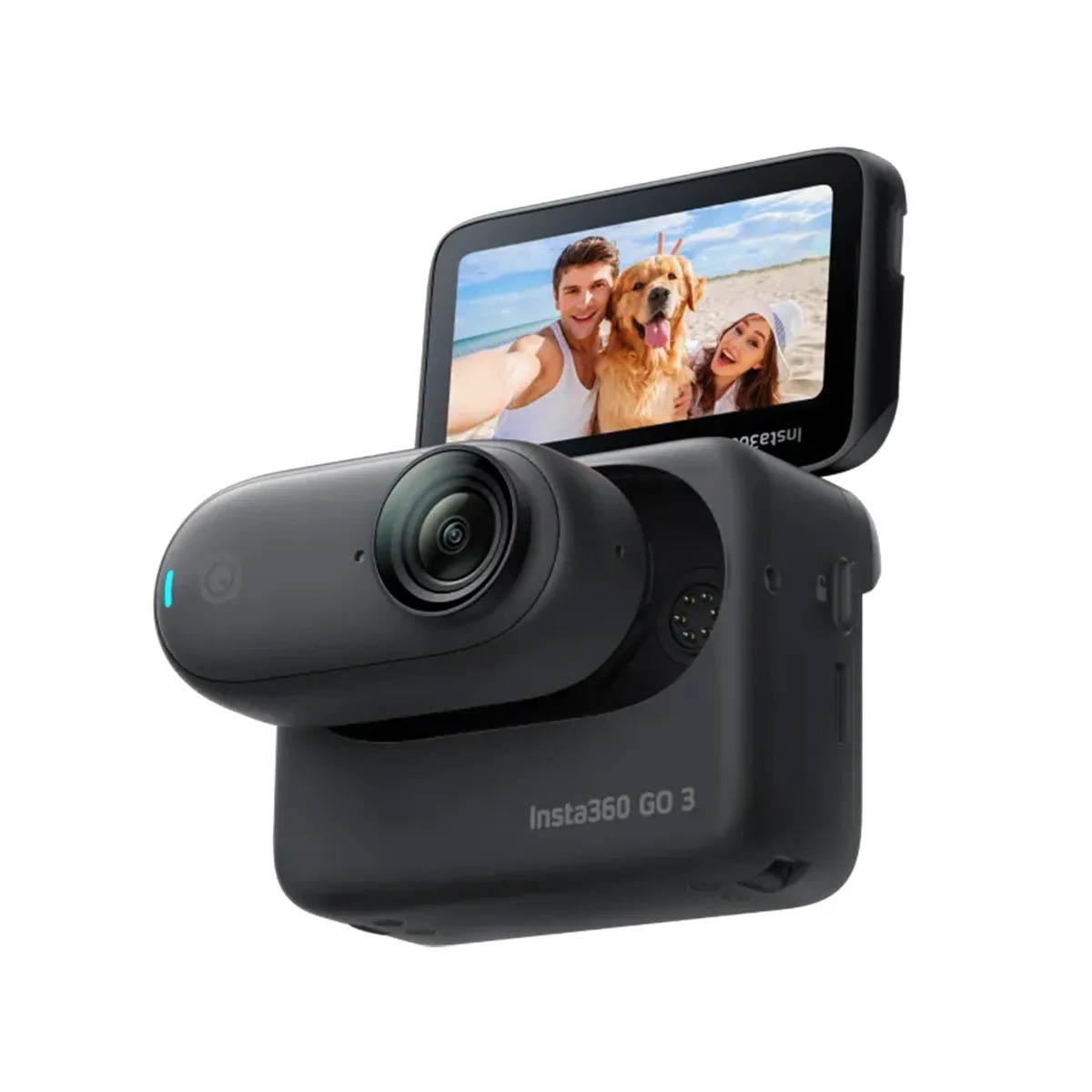
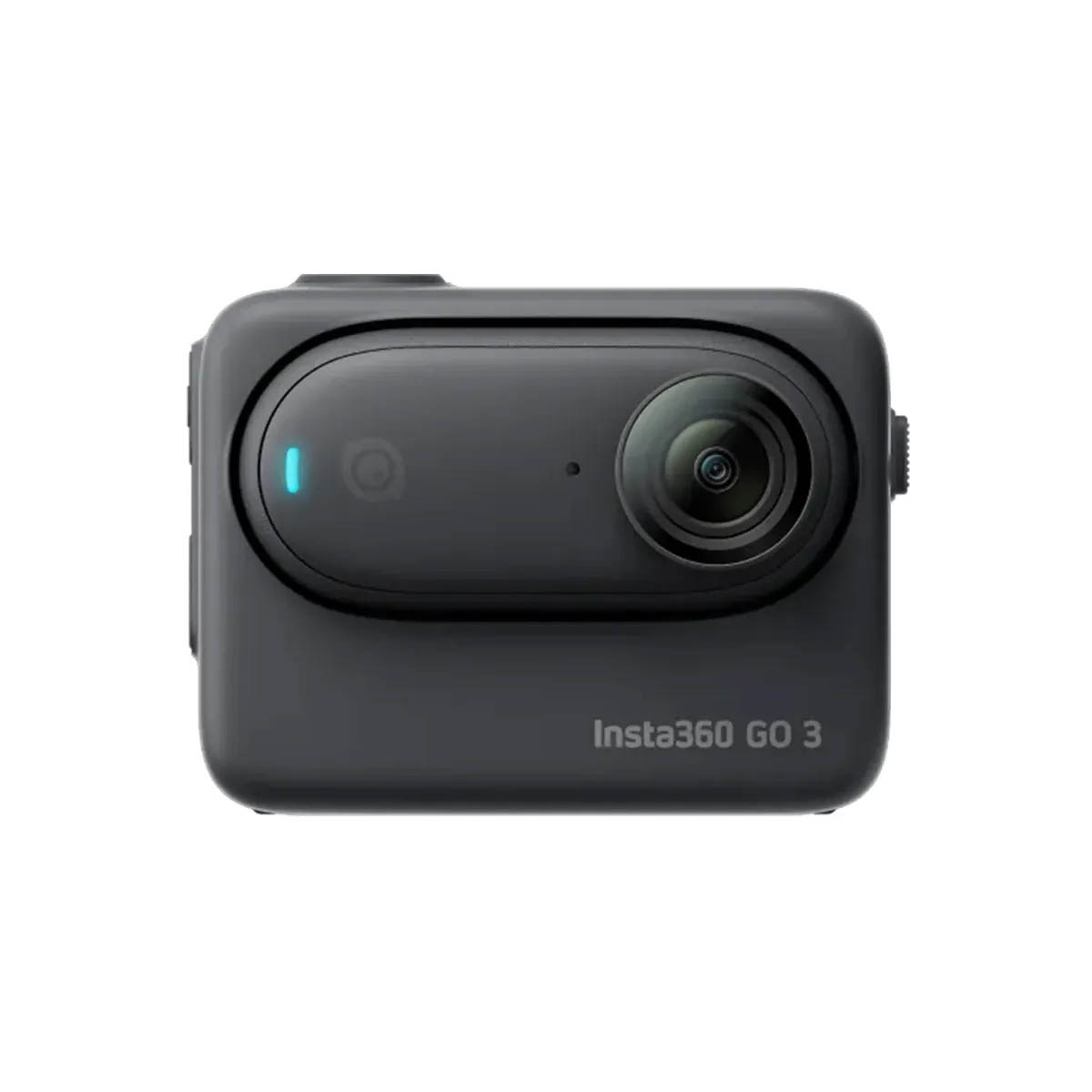
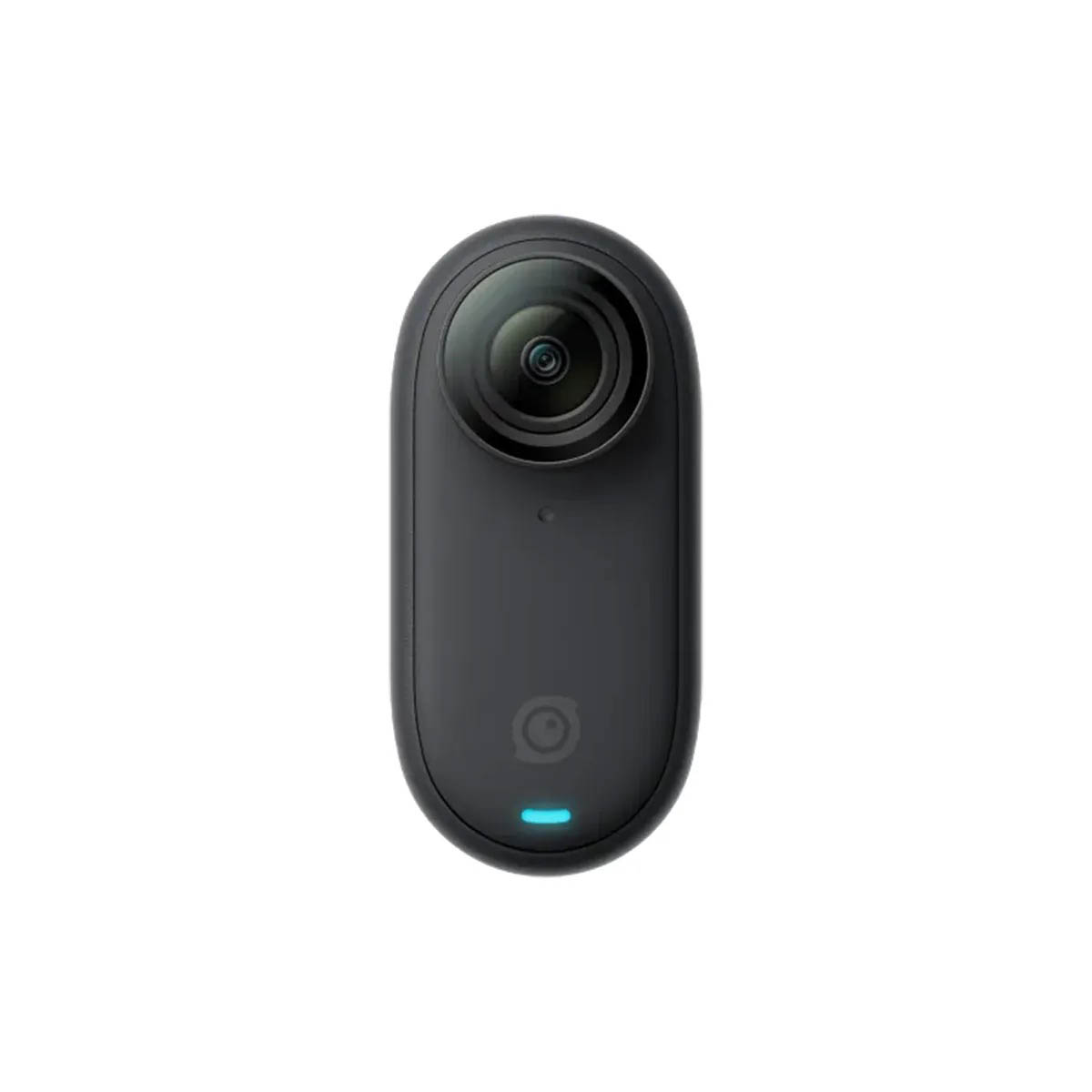
The palm-size 4K action camera Insta360 GO 3S delivers creative mounting freedom and remarkable portability for dive travellers and B-roll shooters. However, beneath the surface it reveals limitations in low light and longer sessions. Use it as a secondary rig for unique angles, and pair it with the proper housing if your goal is serious underwater footage.

Real-World Feedback from Divers and Creators
Users across Amazon, Reddit and dive-tech forums frequently highlight the GO 3S’s standout advantages as well as recurring trade-offs. On Reddit one buyer reported “the image quality is excellent for such a small camera in good lighting… it does get noisy and soft quickly in low light though.” Another remarked that “because of its unique size it is incredibly convenient to carry on the cap or even use the magnetic clip to attach it to the chest.” A dive-specific review noted “we have used ours underwater…the dive case is rated to 196 feet (60 m) and is a must for divers. The GO 3S does struggle in lower-light conditions.” From these signals the pattern emerges: this camera excels for creative POVs and B-roll, but you must understand its underwater performance limits.
What the Specs Say for Divers
According to the manufacturer’s documentation the GO 3S camera module is IPX8 rated to 10 metres when fitted with the Lens Guard, and when used with the dedicated Dive Case it is rated to 60 metres for full scuba use. Key features include 4K video capability in a sub-40 g body, FlowState stabilisation and a magnetic mounting system. For divers that means you can mount the camera in unconventional spots – helmet, tank bracket, or fin strap – and grab unique angles. But the flip side is the tiny form factor means a smaller sensor, less optimal low-light performance and underwater clarity compromises.
Underwater Image Quality and Conditions
In bright daylight and clear water, users found the footage pleasing for its size and form. The dive-review noted that the camera “works as a backup camera or to capture an alternate angle” underwater, but more established dive action cams still out-performed it in darker conditions. Users who fitted the Dive Case reported improved edge-to-edge sharpness and better refraction correction. That suggests if you’re planning scuba footage at depth, you absolutely should pair the GO 3S with the Dive Case and plan your shoot with its limitations in mind.
Colour, Editing and Clip Length Considerations
Community feedback strongly suggests shooting in the “FLAT” colour profile in bright conditions and doing colour correction in post rather than relying on the standard profile. One Redditor observed softness and noise creep in low-light scenarios. Clip length and battery constraints are also regularly mentioned: the tiny body works best for short bursts of 1-3 minutes rather than hour-long continuous vlogging. Some users also reported thermal concerns when used continuously in warm air environments.
Mounting & Hands-Free Advantages for Divers
Where the GO 3S really stands out is the mounting freedom. The magnetic pendant, easy-clip and strap mounts let you place it on helmet, tank-neck or fin-strap and users testify this ease of use on deck and shore transfers to unique perspectives underwater. For B-roll footage of a diver running gear checks, heading down the line or capturing a lead-in montage, the GO 3S is a superb companion.
Our Verdict for Divers
Buy it if you want a compact, creative, mount-anywhere 4K cam to supplement your main rig and capture fresh angles while diving.
Think twice if this is your primary underwater camera: the low-light performance, depth comfort and clip length aren’t on par with larger-sensor action cams.
Recommended Dive Setup & Purchase Notes
- Use the GO 3S as a secondary camera, ideally mounted somewhere for unique POV or running-in footage.
- For underwater use beyond shallow snorkels, add the Dive Case to gain full depth rating and sharper underwater optics.
- On surface intervals or shore shots, mind battery and thermal limits—plan for shorter burst clips.
- If you need a primary dive camera, compare it against larger-sensor action cams that handle low-light better and record longer sessions more comfortably.
- To pick up one of these units, check the listing on scuba-specialist retailer Scuba.com or view Amazon’s 128 GB listing for comparison and accessory options.
Comments