



Scuba diving often requires more planning than many other outdoor hobbies. Divers pack tanks, regulators, wetsuits, fins, masks, weights, and other gear before they even reach the water. Then they may drive to a marina, wait for a boat, and travel again before the first descent. Waterfront living can simplify that routine and give dedicated divers more opportunities to enjoy the sport.
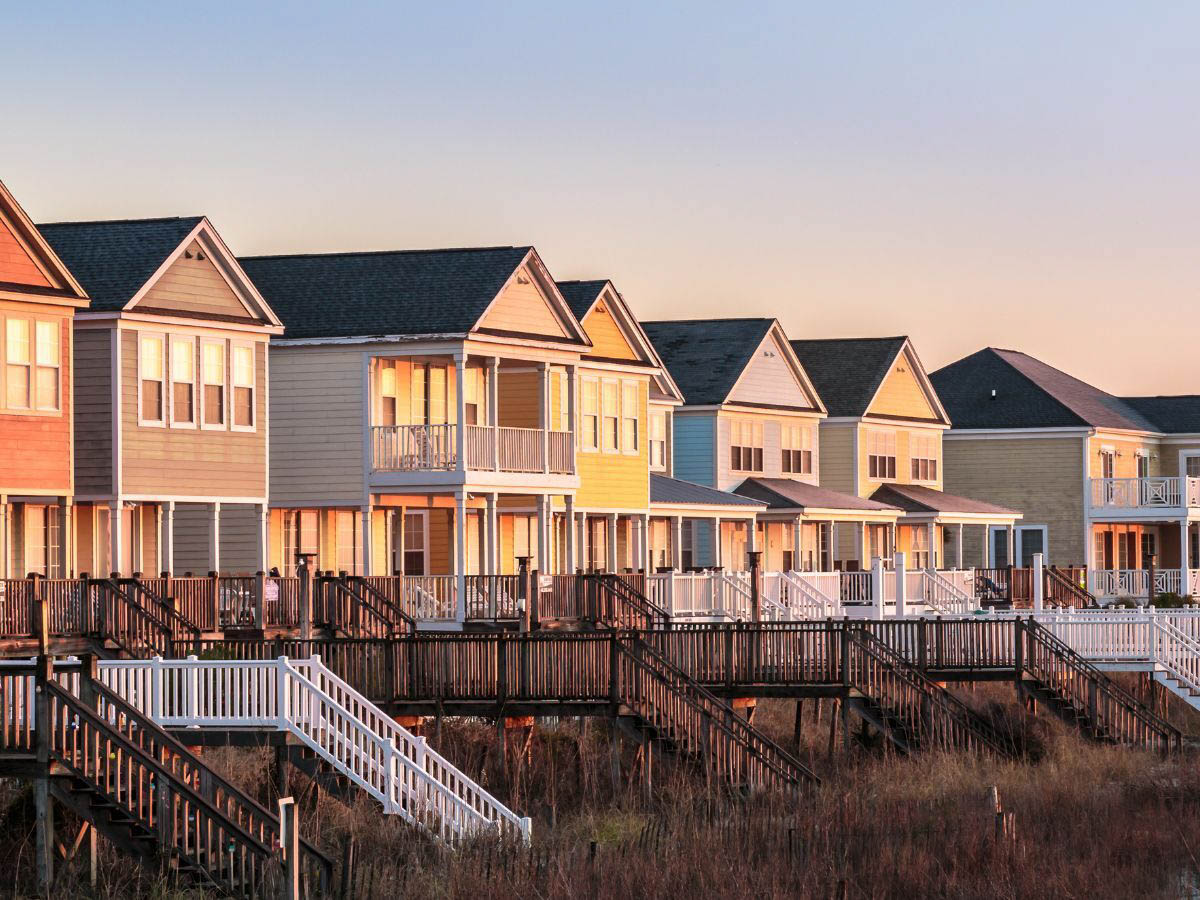
A waterfront property can turn diving from an occasional excursion into a regular part of everyday life. Depending on the location, divers may reach suitable water from their own shoreline, launch a boat nearby, or live minutes from popular dive sites. These advantages can create a lifestyle that fits naturally around a favorite hobby. Check out the benefits of scuba divers owning a waterfront property.
Get on the Water Faster
Convenient access ranks among the biggest advantages of waterfront ownership. Divers who live near suitable water can spend less time driving and more time preparing for a dive.

A property with a dock can make boating especially convenient. Instead of towing a boat to a launch ramp each time, an owner may simply load the boat and head out. Even waterfront homes without private docks can provide quick access to nearby marinas, ramps, and charter services.
That convenience also makes shorter dive sessions more practical. You don’t need to dedicate an entire day to travel when the water sits close to home.
Dive More Often
People usually spend more time on activities that fit easily into their routines. Waterfront living can remove several obstacles that keep divers out of the water.
A diver might squeeze in a morning dive before other weekend plans or head out for a late-afternoon session when conditions are favorable. Quick access also helps experienced divers take advantage of unexpected opportunities, such as excellent visibility or calm water.
Frequent diving helps you stay familiar with your equipment and routines. Instead of returning to the sport after long breaks, you can maintain a more consistent rhythm throughout the season.
Store Gear at Home
Scuba equipment takes up considerable space, especially for divers who own several tanks, multiple wetsuits, or gear for different water conditions. A waterfront property can give you room to create a dedicated storage and preparation area.
A garage, shed, utility room, or covered outdoor space can hold equipment between dives. Divers can organize masks, fins, regulators, buoyancy compensators, weights, and accessories so that everything stays easy to find.
You can also create a convenient rinsing area near the house. Access to freshwater makes it easier to rinse salt, sand, and debris from equipment after a dive. A practical storage setup reduces clutter inside the home and speeds preparation for the next trip.
Simplify Boat Ownership
Many scuba divers rely on boats to reach deeper water, reefs, wrecks, and offshore sites. Waterfront property can make boat ownership far more convenient.
A private dock can eliminate repeated trips between home, storage facilities, and public launches. You can keep essential boating supplies close by and prepare the vessel at your own pace.
The easier access may also encourage you to explore a wider range of nearby sites. Instead of visiting only the most convenient public departure points, you can plan routes based on water conditions, dive interests, and available time.
When shopping for a home, divers should also consider the best time of year to buy waterfront property. Seasonal demand, weather, inventory, and local tourism patterns can affect both the buying experience and the ability to evaluate docks, shorelines, and water access.
Watch Conditions Closely
Divers need to pay attention to weather, tides, currents, visibility, and boat traffic. Living near the water makes it easier to observe local conditions before committing to a dive.
You may notice wind direction from your deck, check the surface from the shoreline, or speak with neighbors who spend time on the water. That firsthand awareness can complement forecasts and marine reports.
Local knowledge also grows over time. You may learn which weather patterns create better visibility, when boat traffic increases, or which conditions affect nearby entry points. That familiarity can help you plan more enjoyable dives.
Explore Local Dive Sites
Owning waterfront property can encourage divers to learn one area in greater depth. Instead of constantly traveling to unfamiliar locations, you can spend more time exploring nearby reefs, rock formations, wrecks, springs, or other underwater features.
Repeated visits help you notice details that casual visitors may overlook. Seasonal wildlife changes, shifting visibility, and different underwater routes can make the same site feel new throughout the year.
Local exploration can also reduce travel expenses. You may still plan major dive vacations, but you won’t need to book a hotel or drive several hours every time you want to get underwater.
Build a Diving Community
Waterfront areas often attract people who enjoy boating, fishing, swimming, kayaking, and diving. That shared interest can make it easier to find potential dive partners.
Reliable dive buddies add both convenience and enjoyment to the sport. Neighbors may share information on visibility, interesting sites, equipment needs, or upcoming trips. You may also find local dive clubs, instructors, charter operators, and repair shops nearby.
A waterfront home can become a convenient meeting point before group outings. Friends can organize gear, review plans, and head toward the water without coordinating several separate stops.
Enjoy the Water Between Dives
A waterfront home offers benefits even when you don’t plan to scuba dive. You can kayak, paddleboard, fish, swim, boat, or simply enjoy the view.
Those activities can make the property feel worthwhile throughout the diving season and beyond. Bad visibility or rough water won’t automatically ruin a weekend when you have other ways to enjoy the location.
Waterfront living can also make slower days more satisfying. Reading near the shore, watching boats pass, or enjoying a quiet morning outside can provide a different connection to the same environment you explore underwater.
Support a Long-Term Hobby
Dedicated scuba divers often invest significant time and money in training, equipment, travel, and boat access. A waterfront property can support that commitment by making the sport easier to fit into everyday life.
The property itself may influence how often you dive, how much gear you keep, and how easily you host other divers. Over time, those conveniences can turn diving into a regular lifestyle rather than an activity reserved for occasional trips.
Buyers still need to evaluate shoreline rules, insurance costs, maintenance needs, flood risks, dock regulations, and local access before choosing a property. A beautiful view alone won’t make a home ideal for a diver. The property should support the way you plan to use the water.
Bring Diving Closer to Home
As you can see, there are many advantages to a scuba diver owning waterfront property. Easy access, convenient gear storage, simpler boat use, and frequent opportunities to dive can make a waterfront property especially appealing to someone who spends every possible weekend underwater. The location can also support boating, entertaining, wildlife watching, and quiet time near the shore.
For the right diver, waterfront living offers more than scenery. It creates a home base built around the water and makes it easier to turn a favorite hobby into a regular part of life.
Comments