



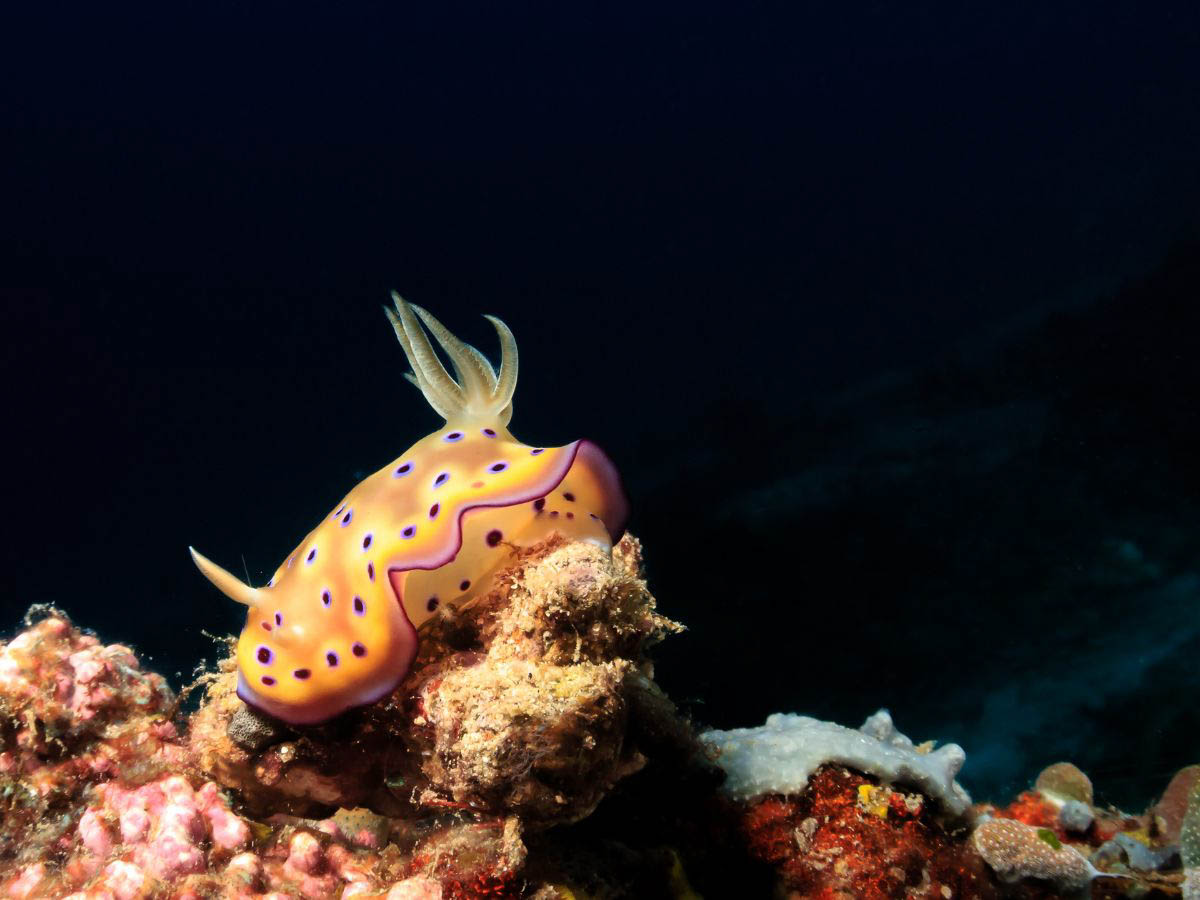

Nothing compares to the thrill of capturing underwater beauty, but translating the vibrant hues you see into photographs can be a challenge. Whether you’re snapping coral reefs, marine life, or submerged shipwrecks, colors fade and change the deeper you go. This guide will explore how you can capture accurate colors during your dive photography and bring your underwater shots to life.
The Science Behind Underwater Colors
Water absorbs light, with colors like red and orange disappearing first as you descend. By 30 feet, only blue and green wavelengths dominate. This is why underwater photography often appears washed out or overly blue. To counteract this, divers can rely on tools like filters or external lighting to restore the full spectrum of color in their photos.

Choose the Right Equipment
Basic cameras won’t cut it underwater. Go for a camera designed for underwater use, or invest in waterproof housings. Wide-angle or fisheye lenses are popular for capturing expansive scenes without distortion. Include color-correcting filters, especially red filters for shallow depths, to neutralize the blue. External strobes or video lights are essential for illuminating deeper scenes and bringing out natural hues in the environment.

Experiment With Lighting Techniques
Artificial lighting becomes crucial the deeper you go, as sunlight struggles to penetrate the depths. Keep in mind, lighting any subject in a photo usually requires some setup, but in the ocean, you might have to get creative. Luckily, the way lighting looks underwater at various times of day can contribute to unbeatable photographs. You can use external strobes for quick bursts of light or steady video lights to brighten the scene, but don’t hesitate to let the natural lighting play a role in the final composition. Experiment with the positioning of your lights to gain both practical and creative effects.
Plan Your White Balance
White balance plays a key role in how colors appear in photos. Adjusting your camera’s manual white balance settings can help correct color loss and distortion as you change depths. Some cameras feature presets for underwater conditions, but manual tweaks often deliver better results. Use a white or gray slate as a reference to help your camera adjust to the lighting around you.

Practice Composition for Impact
Framing your shot can make or break your photo. Get close to your subject to minimize the water between you and your focus point, reducing distortion and enhancing clarity. Use diagonal lines and rule-of-thirds framing to create dynamic, compelling images. Look for contrasting colors, like the bright yellows of certain fish against the blues of the water, to add visual appeal.
Bring Your Photos to the Surface
Color correction doesn’t end underwater. Post-processing tools like Lightroom or Photoshop can help fine-tune white balance, saturation, and sharpness. But if you’ve done your work below the surface with the right lighting and filters, less editing will be necessary. Keep adjustments subtle to maintain the authenticity of your image.
Bring the Ocean’s Colors to Life
Capturing the rich, vibrant hues of the ocean takes preparation, but the effort is worth it. From choosing reliable equipment to mastering lighting strategies, every step brings you closer to achieving incredible underwater photos. By following these tips, you’ll be able to capture accurate colors during your dive photography and preserve the underwater world exactly as you see it.
Comments