


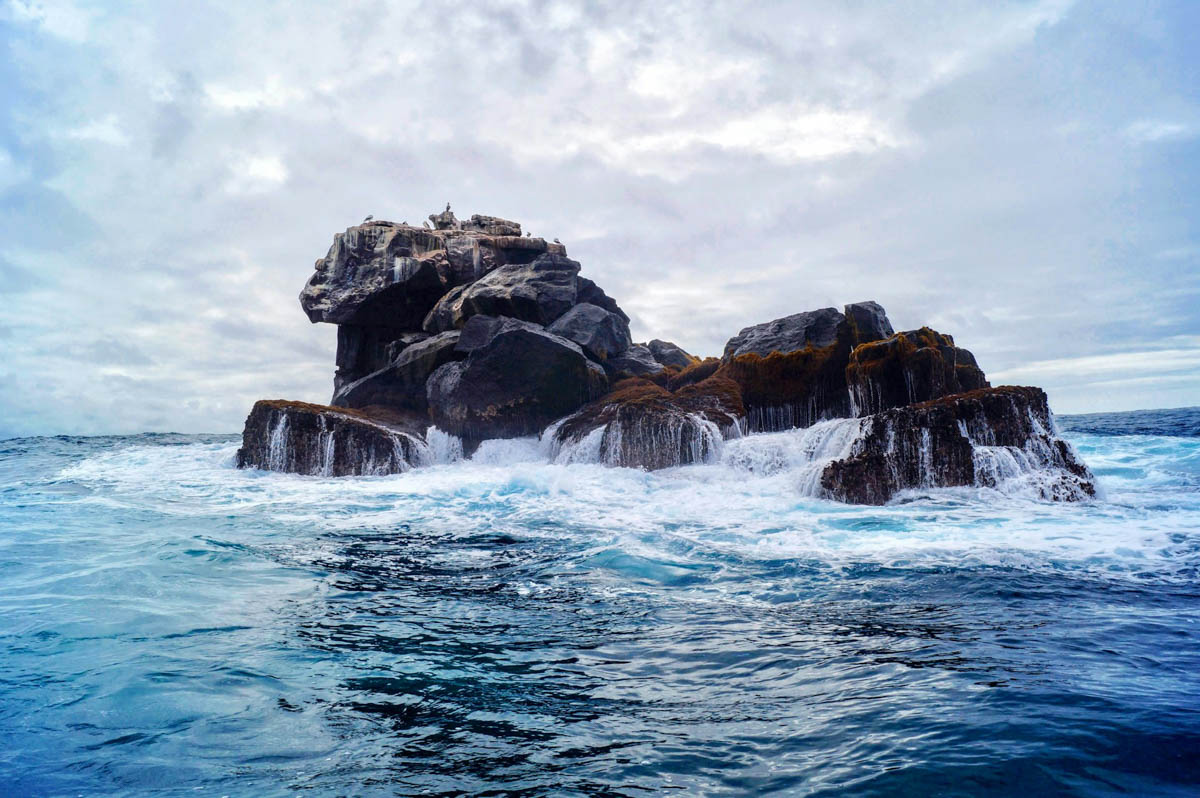
The Galapagos Islands stand as one of Earth’s most remarkable destinations, offering wildlife encounters and landscapes found nowhere else on the planet. Choosing the right cruise can make the difference between a good trip and an extraordinary adventure that stays with you forever. With dozens of vessels operating in these protected waters, each offering different itineraries, amenities, and experiences, the selection process requires careful consideration of several key factors.
Understanding Vessel Size and Atmosphere
The size of your cruise ship significantly impacts your overall experience in the Galapagos. Smaller vessels carrying 16 passengers or fewer offer intimate settings where you’ll quickly bond with fellow travelers and receive more personalized attention from naturalist guides. These boats can access certain landing sites that larger ships cannot, providing exclusive exploration opportunities.
Mid-sized vessels accommodating 20 to 48 passengers strike a balance between intimacy and amenities. They typically feature better stabilization systems for smoother sailing and more spacious common areas. Larger cruise ships carrying up to 100 passengers provide resort-like facilities including multiple dining venues, fitness centers, and lecture halls, though they may feel less personal and have restricted access to some visitor sites.
Selecting the Right Itinerary Length and Route
Galapagos cruises typically range from four to fifteen days, with most travelers choosing week-long adventures. Shorter trips focus on the central islands, visiting iconic locations like Plaza Sur, Santa Fe, and North Seymour. These condensed itineraries work well for those with limited vacation time but still deliver impressive wildlife encounters.
Longer expeditions venture to remote western and northern islands, including Fernandina and Genovesa, where you’ll witness species and volcanic landscapes rarely seen by casual visitors. These extended journeys provide a more comprehensive understanding of the archipelago’s ecological diversity. Consider your available time, budget, and how thoroughly you want to explore when making this decision.
Evaluating Onboard Accommodations and Amenities
Your cabin becomes your home base during the voyage, so comfort matters considerably. Budget-friendly vessels offer basic but clean cabins with shared bathrooms, while luxury options feature spacious suites with panoramic windows, private balconies, and premium linens. Consider whether you’ll spend much time in your room or primarily use it for sleeping between excursions.
Common areas deserve equal attention when comparing vessels. Air-conditioned lounges, outdoor deck space, and dining facilities vary dramatically across price points. A Galapagos family cruise requires thoughtful consideration of amenities that accommodate different age groups, such as flexible dining times, family-friendly cabins, and guides experienced in engaging younger explorers.
Assessing Guide Quality and Expertise
Naturalist guides transform your cruise from simple sightseeing into deep learning experiences. All Galapagos guides must be certified by the national park, but experience levels and specializations vary considerably. Some guides have decades of expertise and advanced degrees in marine biology or ecology, while others are newer to the profession.
Research whether your cruise includes bilingual guides if English isn’t the primary language aboard. The guide-to-passenger ratio also matters significantly for the quality of your experience. Smaller ratios mean more opportunities for questions and personalized insights during daily excursions.
Considering Timing and Seasonal Factors
The Galapagos offers year-round visiting opportunities, but different seasons bring distinct advantages. December through May brings warmer waters, calmer seas, and lush green landscapes, ideal for snorkeling and beach activities. June through November features cooler temperatures, more active wildlife behavior, and better conditions for observing certain species like blue-footed boobies during mating season.
Book well in advance regardless of when you plan to travel, as popular vessels fill up six to twelve months ahead. Last-minute deals occasionally appear, but they limit your choices considerably and may not align with your preferred dates or itinerary.
Balancing Budget with Value
Galapagos cruises represent significant investments, with prices ranging from $2,500 to over $10,000 per person for week-long voyages. Higher prices generally reflect better accommodations, superior cuisine, smaller group sizes, and more experienced guides. However, even budget options provide access to the same extraordinary islands and wildlife.
Determine which aspects matter most to your travel style. If you prioritize wildlife experiences over luxury linens, a mid-range vessel might deliver better value than a premium option. Compare what’s included in quoted prices, as some vessels bundle park fees, equipment rentals, and tips while others charge separately.
Making Your Final Decision
Choosing your perfect Galapagos cruise involves balancing practical constraints with personal preferences. Read recent reviews from actual passengers, examine detailed itineraries, and don’t hesitate to ask operators specific questions about their vessels and services. The right cruise aligns with your physical fitness level, budget, travel style, and the specific wildlife encounters you most desire. With thoughtful planning, your Galapagos adventure will exceed expectations and create memories that last a lifetime.