

Ecojustice applauds federal ban on microbeads
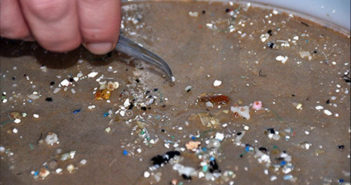
The Canadian government has announced a ban on microbeads, and this progressive move will keep this harmful plastic pollutant out of Canada’s waterways. When products containing microbeads, such as cleansers, lotions and toothpastes, are used and rinsed down the drain, these bits of plastic — typically 1.0 millimetre or smaller in diameter — are too small to be caught by wastewater treatment facilities. Instead, they are flushed directly into lakes, rivers and streams, where they wreak havoc on wildlife. Scientists have found millions of microbeads in the Great Lakes, with the highest concentrations occurring near urban areas.